Editor: Porcia Akua Holmes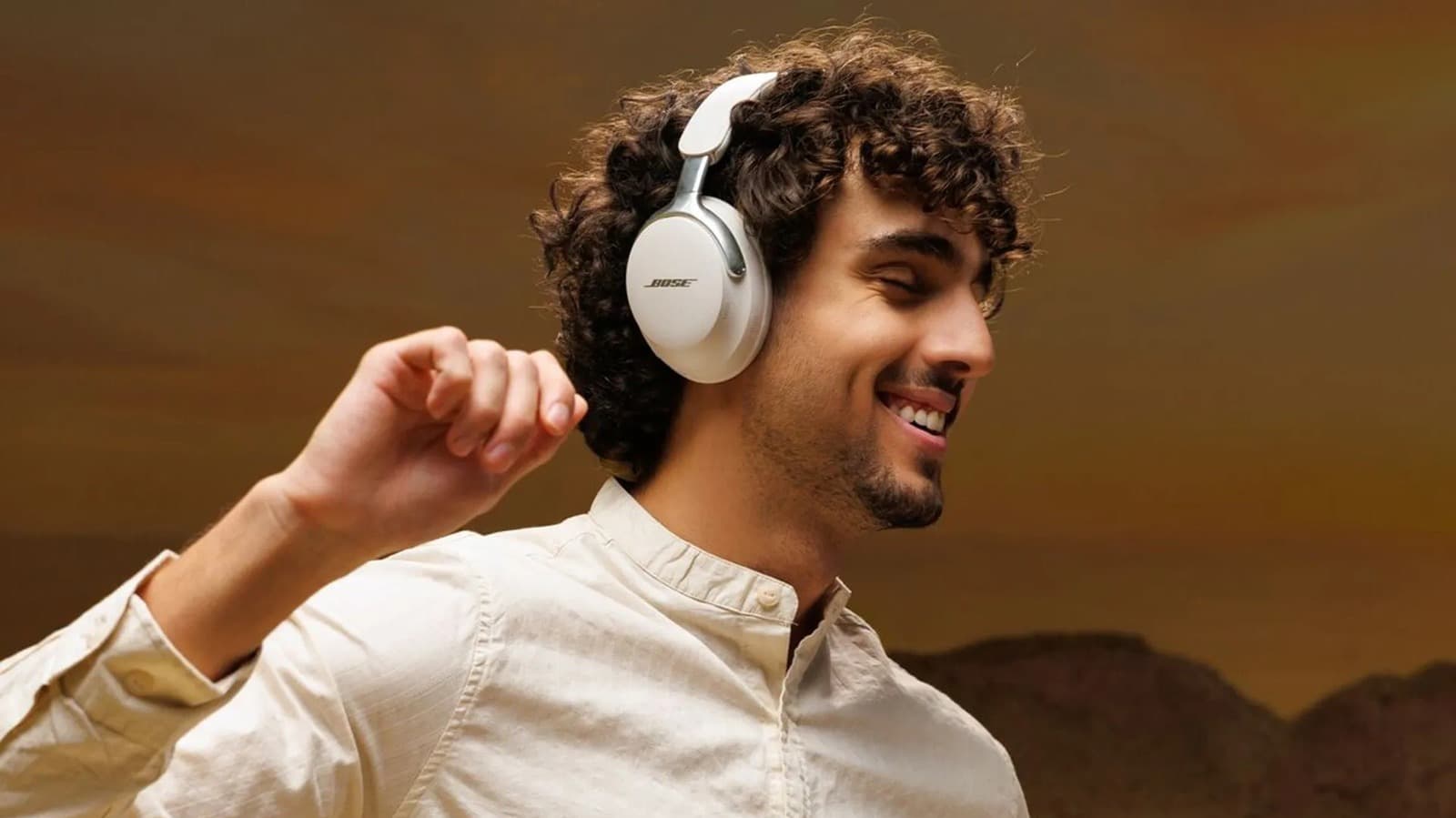
Bose has long dominated the premium headphone market, but its lineup now presents a clear choice between two flagship models: the standard QuietComfort and the newer QuietComfort Ultra. While both deliver industry-leading noise cancellation, the QuietComfort Ultra brings spatial audio and enhanced comfort features that separate it from its predecessor. Understanding the trade-offs is critical for anyone investing in high-end wireless headphones.
Immersive Audio and Spatial Sound
The QuietComfort Ultra introduces Bose Immersive Audio, a spatial audio system that adapts to head movements. This feature places virtual speakers around the listener, creating a concert hall effect that standard stereo cannot replicate. The regular QuietComfort lacks this entirely, sticking to traditional left-right stereo. For fans of Dolby Atmos music or cinematic content, the Ultra's processing makes a noticeable difference in depth and realism.
Design, Build and Comfort
Bose refined the design language for the QuietComfort Ultra. It uses a metal headband and softer ear cushions, giving it a more premium feel than the all-plastic standard QuietComfort. Weight is nearly identical, but the Ultra's hinge feels sturdier. Both fold flat for travel, but the Ultra comes with a higher quality carrying case. Comfort remains a strong point for both, but the Ultra's materials reduce clamping force slightly over long sessions.
Battery Life and Connectivity
Battery performance is one area where the two models converge. The QuietComfort Ultra offers up to 24 hours with Immersive Audio off, while the standard QuietComfort reaches 24 hours as well. With spatial audio enabled, the Ultra drops to about 18 hours. Both support Bluetooth 5.3 and multipoint connection for two devices simultaneously. Charging is via USB-C and both models include a 3.5mm wired option.
Price and Value
The QuietComfort Ultra retails for approximately $429, while the standard QuietComfort sells for around $349. That $80 difference buys the immersive audio, upgraded materials and a slightly refined headband. For buyers who rarely listen to spatial audio or prioritize budget, the standard QuietComfort remains a strong competitor. The Ultra, however, represents Bose's vision for the future of personal audio.
Why This Matters
The decision between these two headphones reflects a broader industry shift toward spatial audio. As Apple, Sony and now Bose embed head-tracked sound into their premium lines, consumers face a choice between cutting-edge immersion and proven value. The QuietComfort Ultra sets a new baseline for what flagship headphones should offer, but its higher price may alienate buyers satisfied with excellent noise cancellation alone. For everyday users, the standard QuietComfort still delivers the core Bose experience at a lower cost, but those wanting the latest audio innovation will find the Ultra's spatial features hard to ignore. The market is moving, and Bose is betting that immersive sound will become the new essential.