Editor: Porcia Akua Holmes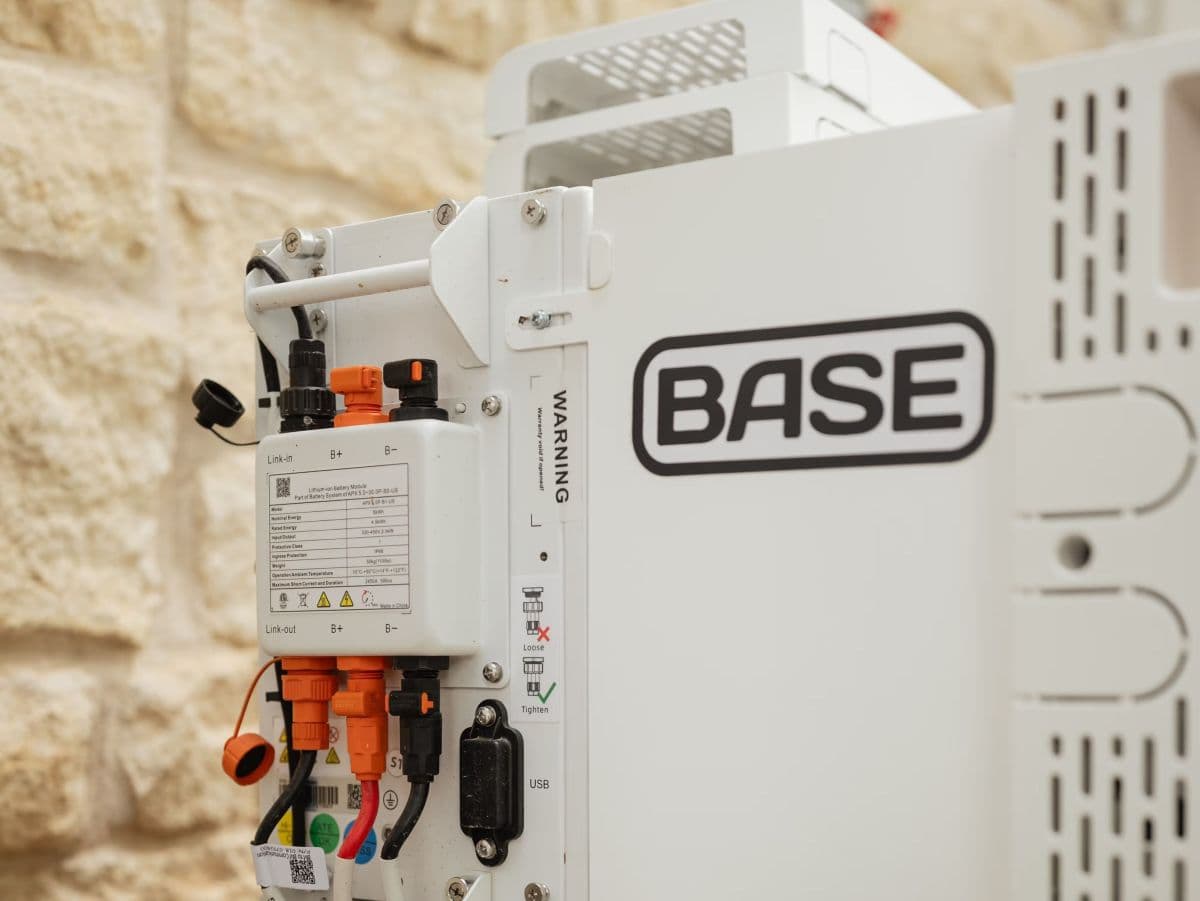
Base Power has secured $1 billion in new funding to accelerate production of residential battery systems designed to stabilize the electrical grid. The investment signals growing confidence in distributed energy storage as a solution for grid reliability.
The $1 Billion Bet on Distributed Storage
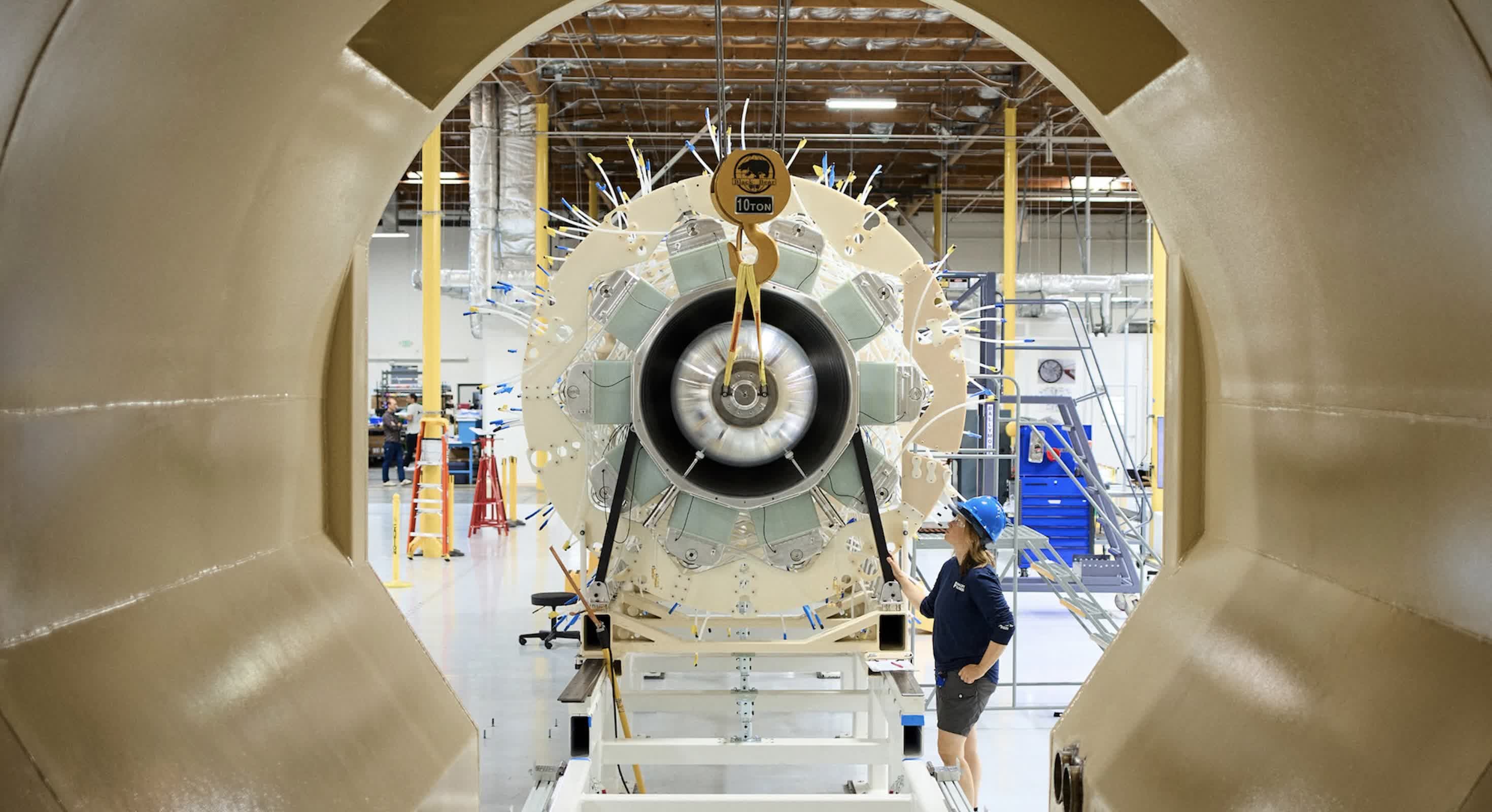
Base Power announced the Series D round led by existing investors and new institutional backers. The company plans to use the capital to scale manufacturing of its lithium-ion battery systems and expand deployment across multiple U.S. markets. Unlike Tesla's Powerwall, which focuses on home backup, Base Power's system is designed primarily for grid services. The startup has partnered with California Independent System Operator (CAISO) for pilot programs that demonstrate how aggregated home batteries can replace peaker plants.
Why This Matters
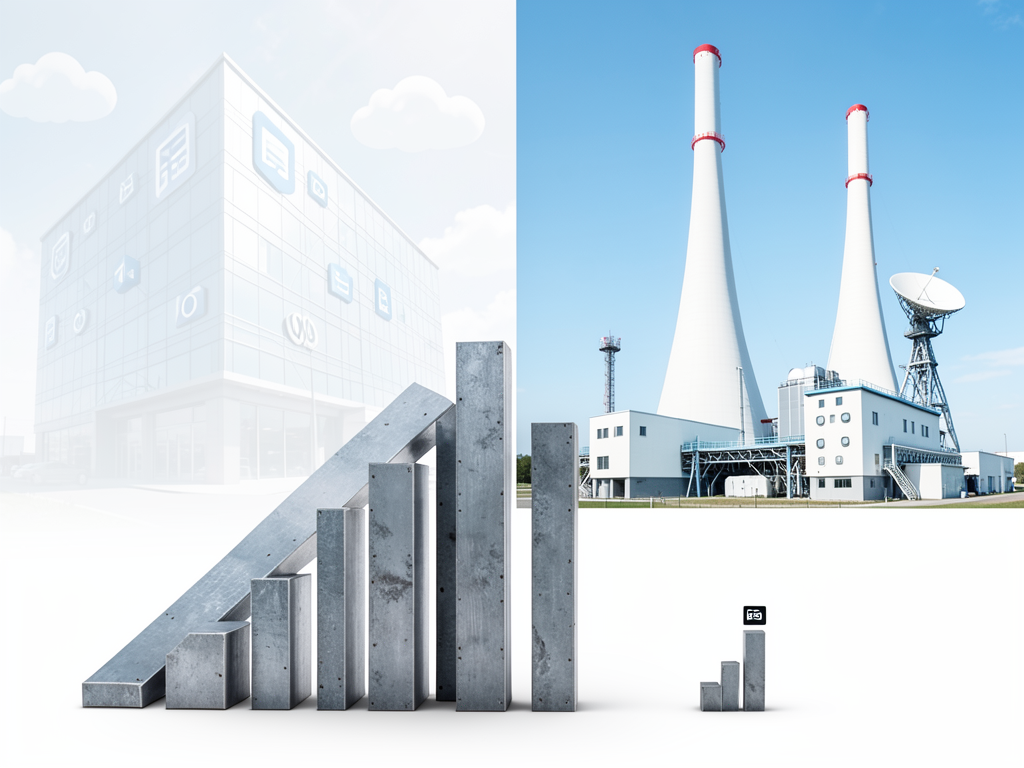
This funding round underscores a structural shift in how utilities think about grid reliability. Rather than building large centralized plants, investors are betting on a network of small, consumer-owned batteries that can be coordinated remotely. If successful, Base Power's model could be replicated across regions facing similar grid challenges, potentially lowering electricity costs and reducing carbon emissions. Regulators, however, will need to address questions around data privacy and equitable access to these programs. The $1 billion injection puts Base Power in a strong position to compete with established players like Tesla and to prove that distributed storage can scale beyond pilot projects.