Editor: Porcia Akua Holmes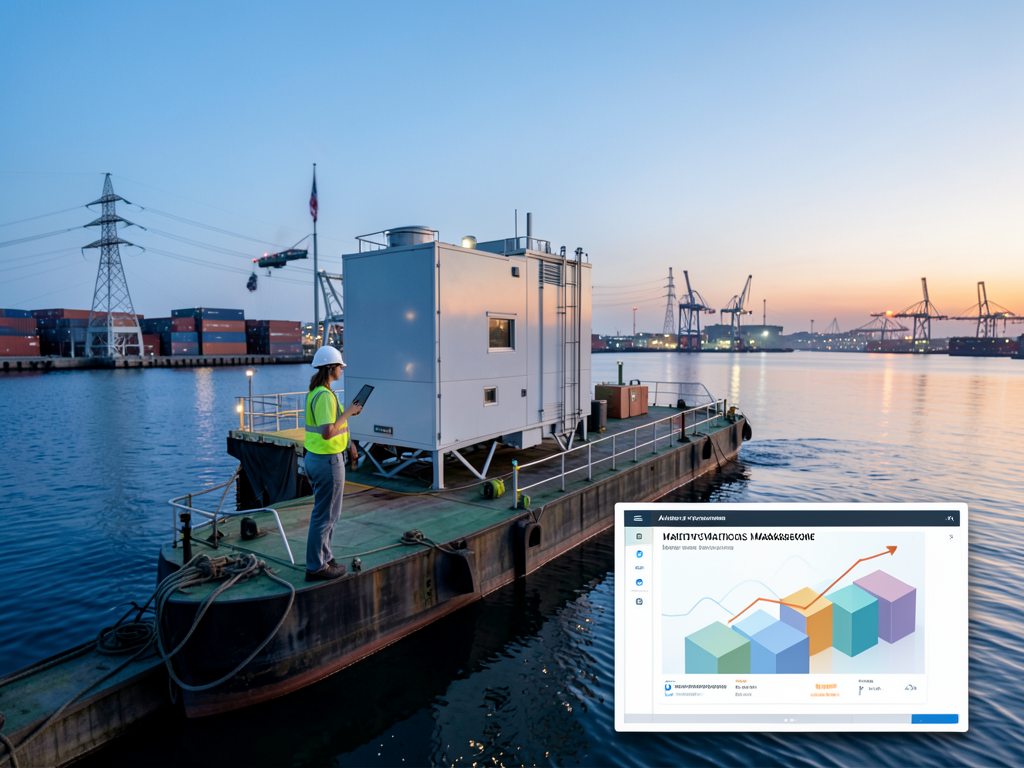
Recent startup funding rounds are pushing emerging technology into unexpected territory. Two companies recently announced significant raises for projects that place nuclear reactors on barges and apply artificial intelligence to cement procurement. The deals represent a growing willingness among investors to back capital-intensive industrial ventures.
Floating Nuclear Power Draws $50 Million
Bluecore Energy, based in Long Beach, California, raised an oversubscribed $50 million seed round led by Silverton Partners. The company emerged from stealth just two months ago with $10 million in pre-seed funding. Bluecore is designing compact water-cooled small modular reactors intended to operate aboard floating barges.
Rather than constructing power plants on land, the company plans to manufacture the reactors and move them to locations where electricity is needed. Its first target is the Port of Long Beach, with potential customers including ports and AI data centers that demand significant power. The company is working with the Nuclear Regulatory Commission and the U.S. Coast Guard on certification.
Nuclear fission startups collectively raised roughly $2 billion in venture funding in 2025, according to Crunchbase data. Cleantech and energy-focused startups raised about $15 billion in the first half of 2026, with second-quarter funding reaching its highest quarterly level since 2024.
AI Transforms Building Material Procurement
BRKZ, based in Riyadh, Saudi Arabia, secured $31 million in new capital. The round includes a $13 million Series B equity co-led by Wa’ed Ventures, Aramco’s venture arm, and 500 Global, plus an $18 million growth-debt commitment from Stride Ventures. The company has raised more than $83 million to date, per Crunchbase.
BRKZ operates a marketplace connecting construction companies with suppliers. It has accumulated roughly 38 million structured data points that power an AI pricing engine trained on about 40,000 requests for quotes. The company reports that 84% to 89% of its predicted prices fall within 5% of the actual transaction price. Another AI agent reads photos of cement delivery notes sent through WhatsApp, matches them to orders and verifies deliveries, with about three-quarters processed without human intervention.
The startup is benefiting from a construction boom in Saudi Arabia even as global proptech investors remain selective. Global proptech startups raised about $6.5 billion across roughly 640 deals in the first half of 2026.
Why This Matters
These deals show venture capital moving beyond software into capital-intensive industries that have long resisted automation. Floating nuclear power could reshape energy delivery for coastal regions and data centers, while AI-driven procurement platforms like BRKZ reduce inefficiencies in construction supply chains. Both sectors face significant regulatory hurdles, but the funding commitments suggest investors are betting on long-term structural shifts rather than quick returns. If successful, these startups could accelerate decarbonization and modernize industries that account for a large share of global emissions and economic activity.
Broader Trends in Startup Deals
The monthly column Interesting Startup Deals You May Have Missed also covered other deals this month, including companies working on robot report cards and voice AI for farmers. These five deals together illustrate how emerging technologies are being applied to physical-world problems from energy to agriculture.