Senior Editor: Alan Agbele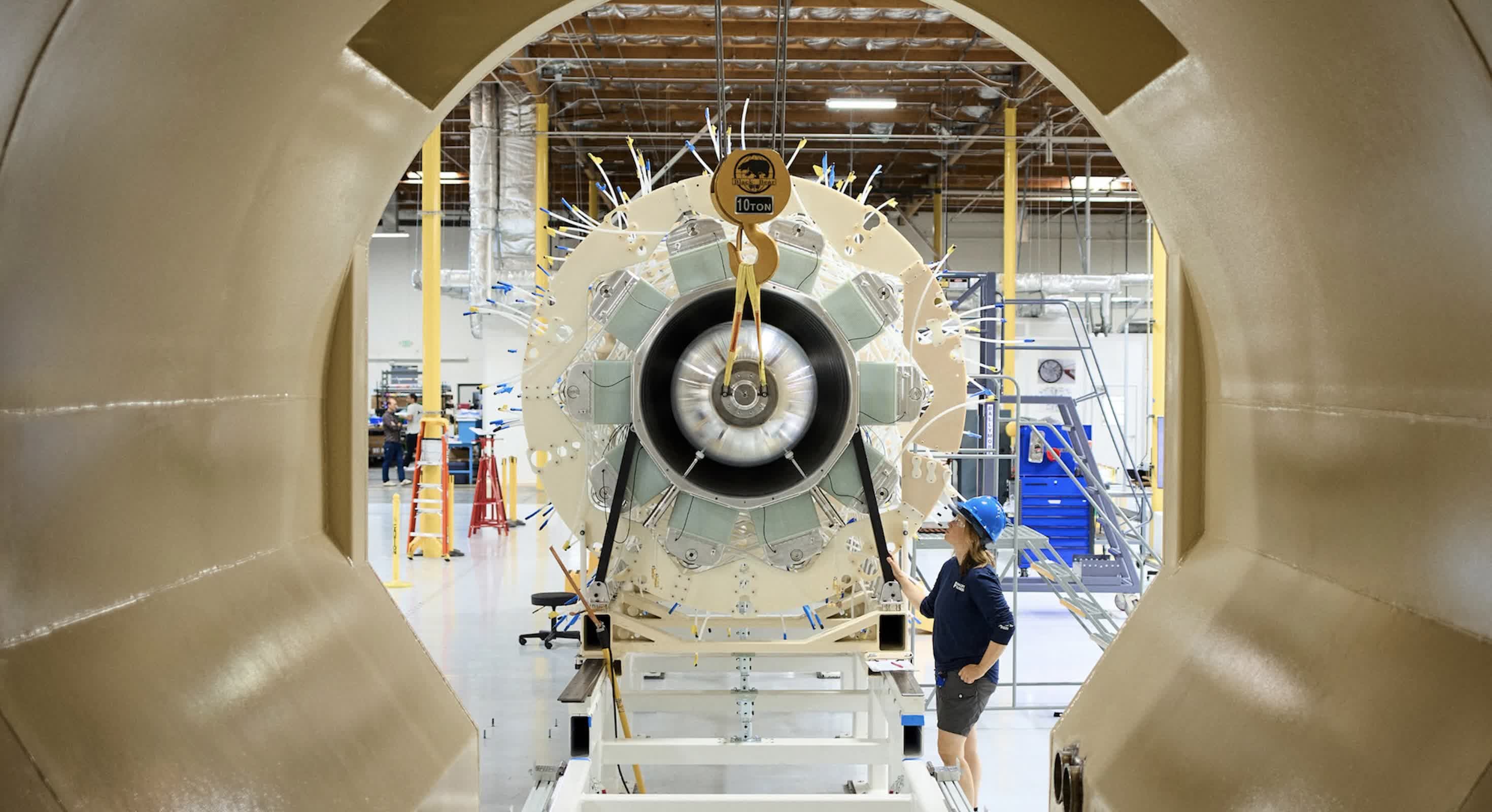
Pacific Fusion has begun construction on a new test facility in Albuquerque, New Mexico, a step forward for the private fusion industry. The fundamental physics of sustaining a net-energy fusion reaction, however, continues to resist the aggressive timelines set by startups and their investors.
Pacific Fusion's New Test Site
The facility under construction in New Mexico will serve as a testing ground for Pacific Fusion's proprietary approach to inertial confinement. Company officials describe it as a critical step toward demonstrating the physics needed for a commercial reactor. The site, located near existing national laboratories, allows the startup to leverage regional expertise and infrastructure. No timeline for first experiments has been publicly disclosed, but the groundbreaking signals that private capital continues to flow into fusion despite unresolved technical questions.
The Physics Standing in the Way
Achieving a commercially viable fusion reactor requires solving problems that have defied scientists for decades. The core challenge is reaching and maintaining the extreme temperatures and pressures needed for atomic nuclei to fuse. Even the most advanced experimental reactors, such as the ITER project, have not yet reached a sustained net energy gain. Startups often tout smaller, cheaper designs, but they face the same fundamental laws.
Industry Promises vs. Historical Reality
Private fusion companies have announced ambitious targets that echo promises made by earlier government programs. Helion Energy, for instance, claims it will supply electricity to Microsoft by 2028 through a power purchase agreement. Other startups cite the 2030s for first commercial plants. Yet historical precedent offers little support. The US fusion program has been decades away from commercial power since the 1950s. While private investment has accelerated development timelines, the underlying physics has not changed. Each new design must still prove it can overcome the same energy confinement and stability hurdles that have stalled public projects.
Why This Matters
The gap between fusion startup promises and practical physics carries real consequences. Investors are placing billions of dollars into companies that may not meet their deadlines, risking a funding pullback that could set back the entire field. For the energy industry, fusion remains a tantalizing long-term option but offers no near-term solution for decarbonization. Policymakers and grid operators, however, should not count on fusion to help meet climate targets in the next two decades. The technology needs more fundamental research and patient capital, not aggressive marketing timelines. Until a reactor reliably produces net energy, fusion will remain what it has always been: a high-potential science project, not an energy reality.