Editor: Porcia Akua Holmes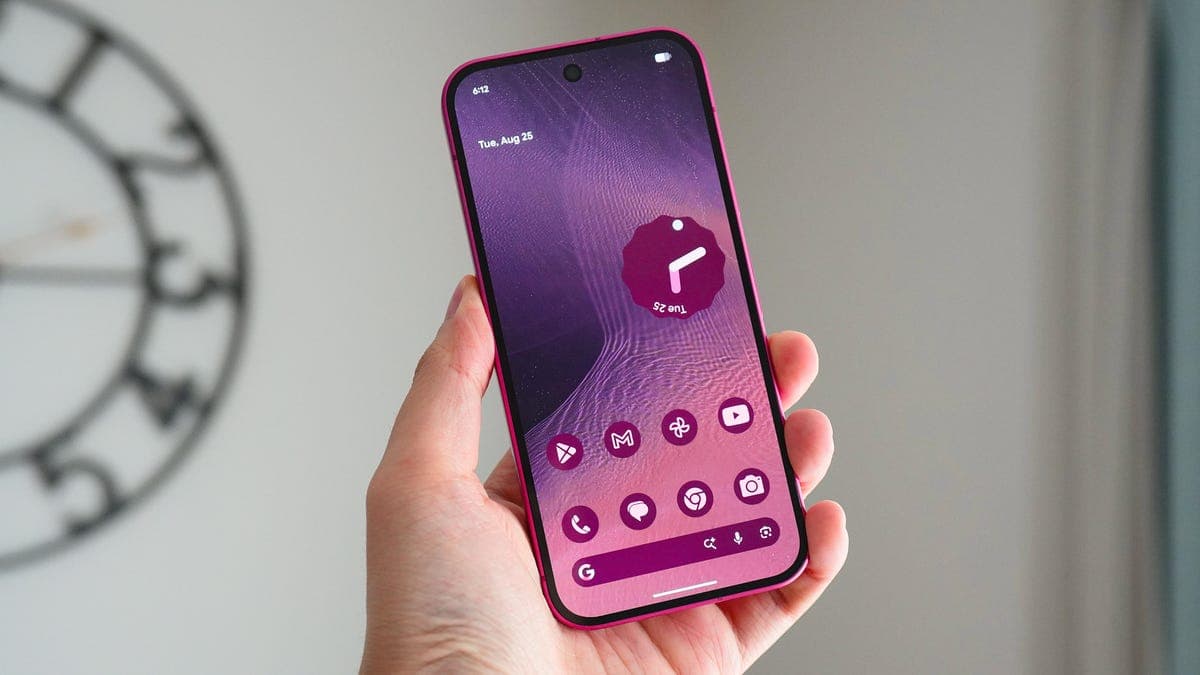
The base model Google Pixel continues to outshine its pricier siblings. With a focus on intelligent software features rather than incremental hardware upgrades, Google has positioned the standard Pixel as the most practical choice for the majority of smartphone buyers.
How Software Redefines the Base Pixel
The key differentiator for the standard Pixel is its integration of Google's Tensor chip. This custom silicon enables on-device AI features that improve photography, voice recognition and call management. The base model includes the same Tensor processor as the Pro versions, meaning users get identical performance for tasks that matter most in daily use.
Google has also committed to longer software support cycles. The Pixel series now promises seven years of OS updates and security patches. This longevity makes the base model a more attractive investment compared to competitors that often limit major upgrades to three or four years.
Why This Matters
The base Pixel's success signals a fundamental shift in the smartphone market. Consumers are increasingly valuing software experience over hardware specifications. Google's decision to democratize advanced AI features pressures rivals like Samsung and Apple to either lower prices or deliver similar software value in their entry-level devices. For Google, the strategy strengthens brand loyalty and drives ecosystem adoption. The real winner is the buyer, who gets flagship-tier intelligence without the flagship cost. This trend could redefine how companies segment their product lines in the coming years.
The Broader Impact on the Smartphone Industry
Other manufacturers have often reserved AI features for premium models to justify higher prices. Google's move changes that calculus. If the base Pixel continues to sell well, competitors may follow suit. The emphasis shifts from camera megapixels and screen refresh rates to practical, everyday benefits like real-time translation and smarter photo editing.
Google has turned the iterative upgrade cycle into a strategic advantage. By focusing on what software can do with existing hardware, the Pixel lineup offers a more meaningful year-over-year improvement. The base model, in particular, proves that a phone does not need a staggering spec sheet to be the most enjoyable and capable device in its price range.