Senior Editor: Alan Agbele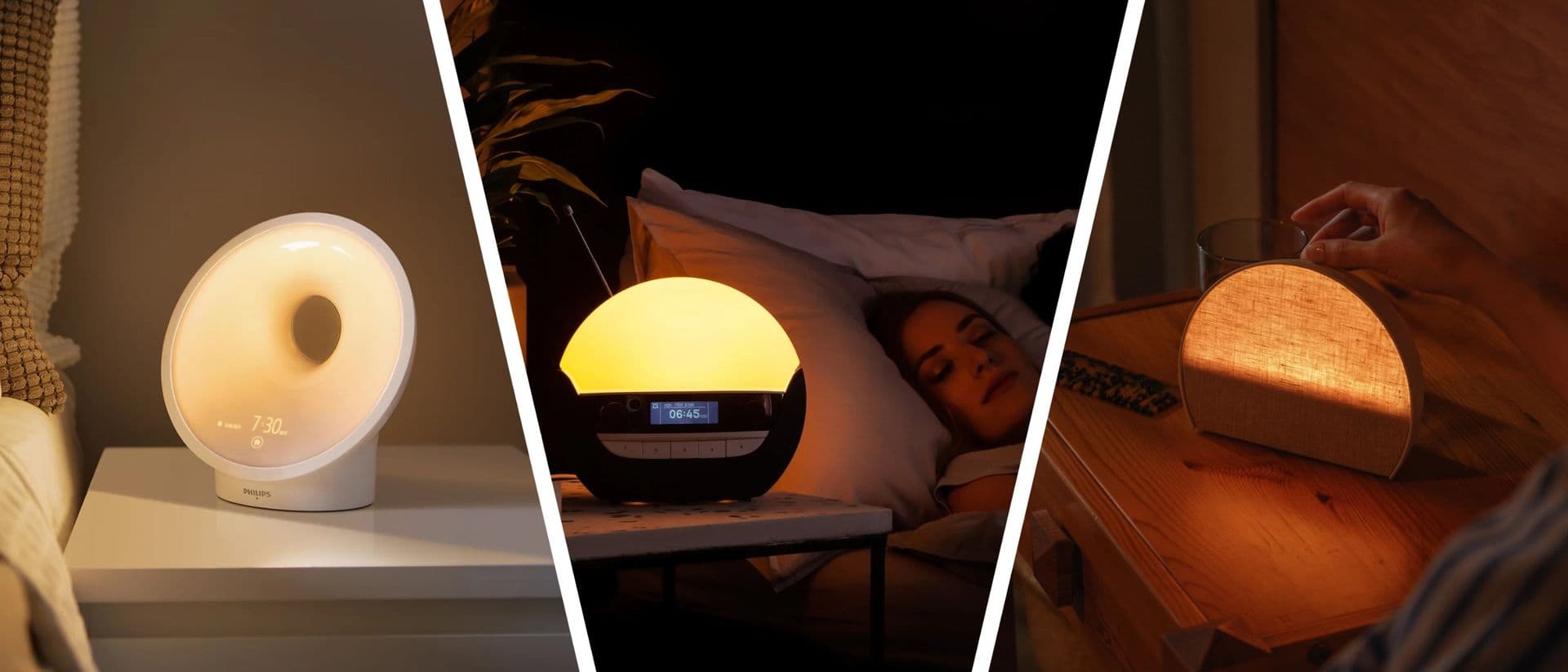
As autumn edges closer and the mornings grow darker, a growing number of people are turning to sunrise alarm clocks to make waking up less jarring. These devices, which simulate a natural dawn by gradually brightening over 15 to 30 minutes, are marketed as a gentler alternative to traditional phone alarms. The shift reflects a broader consumer interest in sleep hygiene and circadian rhythm support, with brands like Lumie, Beurer and Dreamegg driving the category forward.
The Science of Simulated Dawn
Sunrise alarm clocks work by gradually increasing light intensity in the bedroom, mimicking the natural sunrise. This light signals the brain to suppress melatonin production and boost cortisol, helping the body prepare for wakefulness. Unlike a smartphone alarm that can yank you from deep sleep, a gradual dawn reduces sleep inertia, the foggy feeling often experienced after abrupt waking. The Lumie Bodyclock Luxe, for example, offers a sunrise simulation adjustable from 15 to 60 minutes, along with a library of sounds including rainfall, tree frogs and even cafe chatter. Users can customize both the light profile and the alarm sound to match their personal preferences.
Key Features Across Brands
The market now includes options at every price point, from simple lights to multifunction devices. The Beurer WL75 Wake Up Light Alarm Clock combines a sunrise simulation with a sunset function and integrated FM radio. The Dreamegg Sunrise Alarm Clock focuses on portability and offers a compact design with multiple nature sounds and a reading light. Consumers should evaluate a few critical elements when choosing a model. While feature sets differ, the core benefit remains the same: a gentler start to the day.
Why This Matters
As seasonal affective disorder and sleep disruption become more common in darker months, non-pharmaceutical interventions like sunrise alarm clocks offer a practical solution. Consistent use of light therapy at wake-up can improve energy levels, mood and even long-term sleep quality. The growing variety of models from trusted manufacturers such as Lumie, Beurer and Dreamegg means consumers have more options than ever. There is mounting evidence that aligning wake patterns with natural light cycles yields measurable health benefits. This shift signals a broader move toward prioritizing circadian health in everyday consumer electronics, moving beyond basic alarm functions to tools that actively support well-being.