Senior Editor: Alan Agbele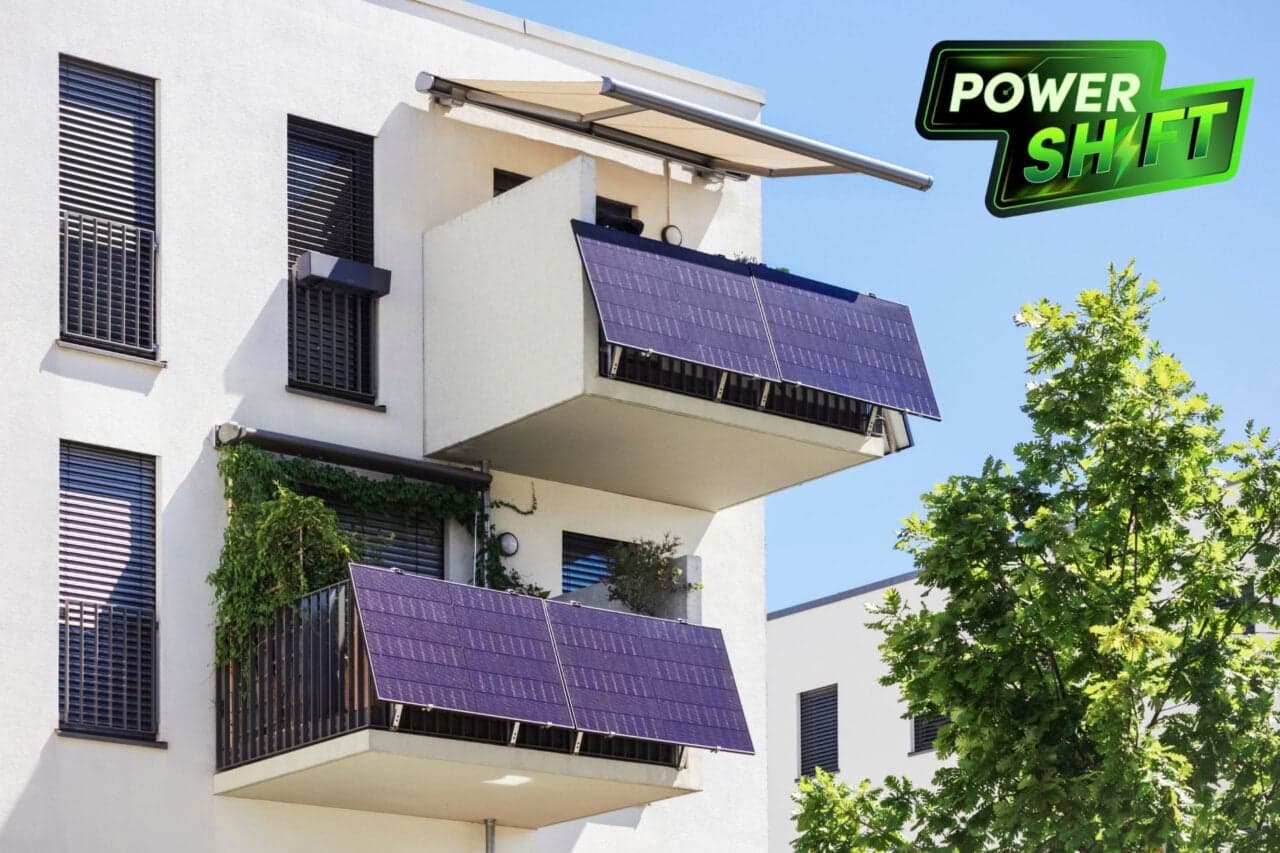
Plug-in solar panels, long a staple on European balconies, are now appearing in the United States as homeowners seek relief from climbing electricity rates. These compact systems, often called balcony solar kits, allow renters and homeowners to generate power without expensive rooftop installations. The trend, however, brings both opportunity and significant caveats for American consumers.
How Balcony Solar Works
These systems consist of one or two solar panels, a microinverter and a cable with a standard plug. Users mount the panels on a balcony railing, a deck or a ground-level stand, then plug the system into any outdoor outlet. The inverter converts DC power from the panels into AC electricity that feeds directly into the home's circuit, reducing the amount of power drawn from the grid.
Key components of a typical balcony solar kit include:
Regulatory Landscape Differs Across the US
The biggest barrier for balcony solar in the US is the patchwork of local regulations. Unlike in Germany, where plug-in solar is explicitly permitted and even subsidized, many US jurisdictions treat these systems the same as full rooftop installations. This means homeowners may need permits, inspections and approval from their utility company before plugging in.
Some states, such as California and New York, have started to create streamlined rules for small-scale plug-in systems. Others still prohibit them outright due to safety concerns, particularly the risk of backfeeding power onto the grid during an outage. The National Electrical Code currently lacks a dedicated section for plug-in solar, leaving interpretation to local authorities.
Cost and Savings Considerations
A balcony solar kit typically costs between $300 and $800 for the panels and inverter, with no installation labor required. Users can expect to offset roughly 10 to 20 percent of a household's baseline electricity consumption, depending on panel orientation and sunlight hours. At current average US electricity rates of about 15 cents per kilowatt-hour, payback periods range from five to ten years.
Buyers, however, should be aware of a key trade-off. Smaller systems produce less power than rooftop arrays, but they also avoid the high upfront cost and long-term commitment. For renters or those living in apartments, balcony solar offers a rare opportunity to participate in renewable energy generation without modifying a building's structure.
Why This Matters
The arrival of balcony solar in the US signals a shift in how households access renewable energy. If regulators and utilities adapt to support these small-scale systems, millions of renters and homeowners could lower their electricity bills without major investments. The impact extends beyond individual savings: wider adoption could reduce strain on the grid during peak hours and accelerate the transition to distributed energy resources. The key question is whether US policy will catch up to the technology, or whether safety and liability concerns will keep balcony solar a niche product limited to a few progressive states.