Senior Editor: Alan Agbele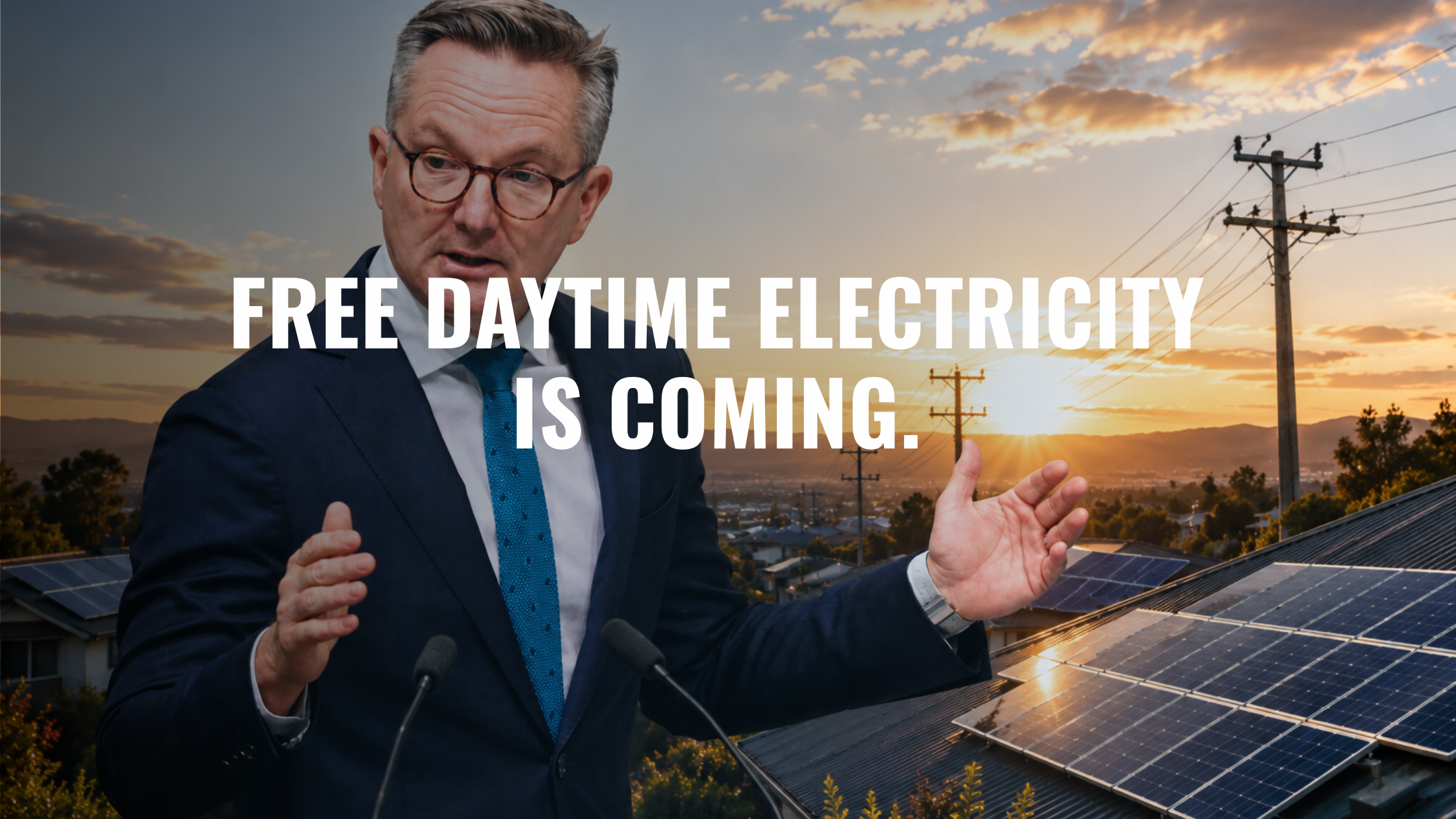
Australia has introduced a groundbreaking policy offering residents free electricity during daytime hours, a move designed to ease pressure on the national energy grid and accelerate the adoption of solar power. The program, which targets peak solar generation periods, allows households to consume electricity at zero cost when demand is typically lowest and renewable supply is highest.
How the Free Electricity Model Works
The program, coordinated by the Australian Energy Market Operator (AEMO), provides zero-cost power during specific daytime windows, typically from late morning to early afternoon. During these hours, solar panels generate more electricity than the grid can handle, often forcing operators to pay other states to take the excess. By offering free electricity, the government encourages homeowners to shift high-consumption activities such as laundry, dishwashing and EV charging to these periods.
Key features of the initiative include:
Impact on Energy Markets and Consumers
For Australian households, the free daytime electricity program represents a significant shift in how energy costs are managed. Families can reduce their overall bills by strategically timing usage. The Australian Energy Regulator estimates that a typical household could save hundreds of dollars annually if it shifts even half of its discretionary consumption to the free period.
From a market perspective, the initiative addresses a structural weakness in grids with high renewable penetration. During sunny days, solar farms and rooftop panels can flood the grid with cheap power, driving wholesale prices negative. The free electricity model turns that problem into an opportunity by creating artificial demand. This stabilizes prices and reduces the need for costly battery storage investments in the short term.
Why This Matters
This policy sets a precedent for how regions with ambitious renewable targets can handle grid oversupply without resorting to curtailment. Australia, a global leader in rooftop solar adoption, is testing a model that other nations may replicate. The program directly affects every Australian household by changing the financial calculus of when to use electricity. It also pressures traditional power generators to adapt their baseload models, as the free daytime window eats into peak revenue hours. Over the long term, success could accelerate the retirement of coal-fired plants and deepen the integration of intermittent renewables.
Broader Implications for the Energy Transition
The free electricity initiative is part of a larger trend toward dynamic pricing and demand-side management. Countries like Germany and California have experimented with negative pricing, but Australia's approach is unique in offering direct consumer subsidies. The program also highlights the growing importance of smart home technology, as households need automation tools to take advantage of variable rates without constant attention.
Challenges remain. The policy only works during daylight hours and does not address evening peak demand when solar generation drops. The Australian government is separately investing in pumped hydro and grid-scale batteries to fill that gap. For now, the free daytime experiment provides a real-world case study in aligning consumer behavior with renewable supply curves.