Senior Editor: Alan Agbele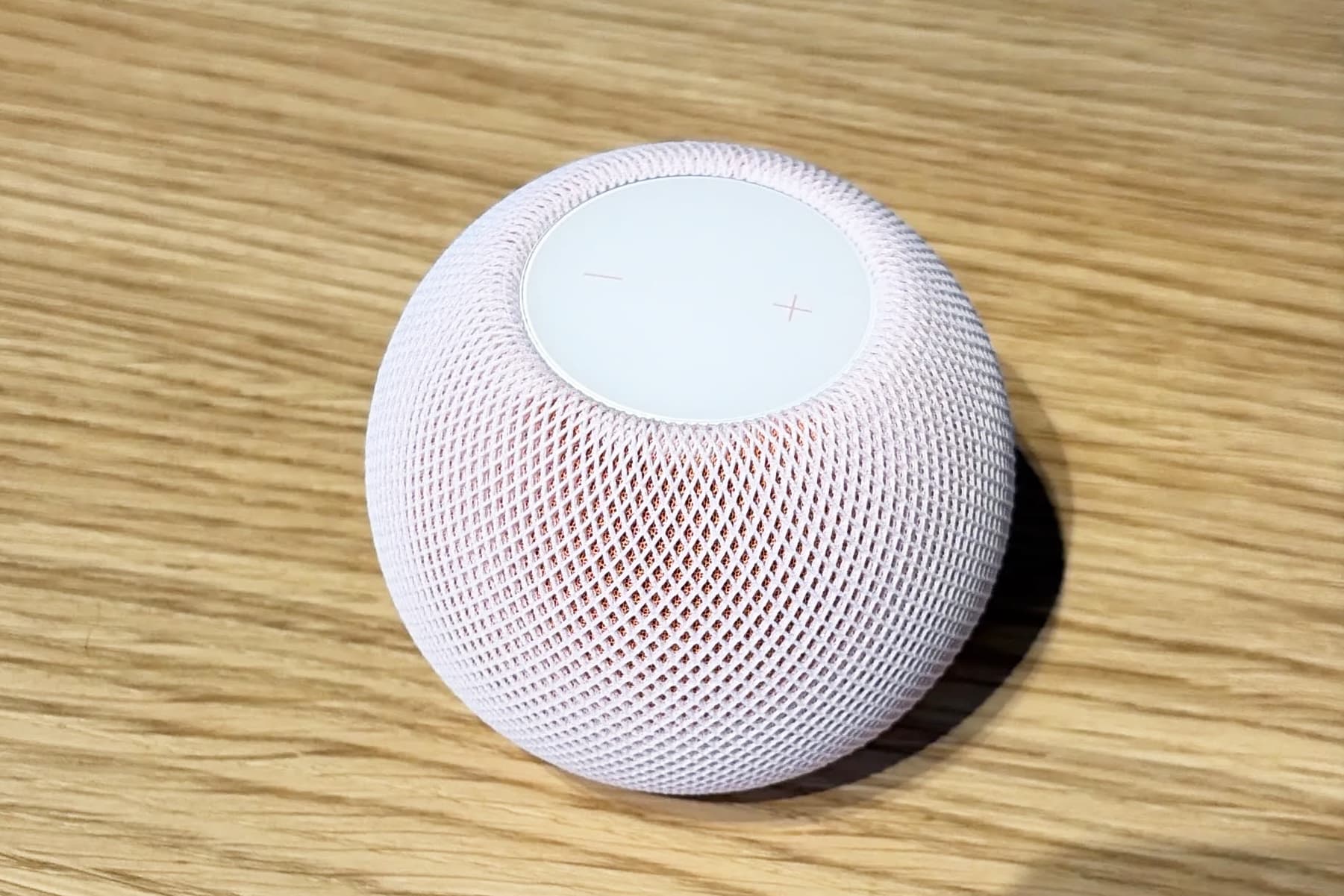
Apple has quietly refreshed its smart speaker lineup with the HomePod Mini 2, a device that looks identical to its predecessor but packs a significantly more capable Siri. The update, which began reaching users this week, marks Apple's first major push to embed generative AI into its home audio products. The move comes as competitors like Amazon and Google race to integrate large language models into their own smart speakers, and it signals that Apple intends to compete on intelligence, not just audio quality.
Why This Matters
The HomePod Mini 2 represents more than a spec bump. It is Apple's first tangible step toward making Siri a true AI assistant in the home. If successful, this could reshape how users interact with Apple's ecosystem, turning the smart speaker into a central hub for AI-driven tasks. The update also puts pressure on Amazon and Google, who have already integrated generative AI into their speakers. For Apple, the stakes are high: a smarter Siri could drive sales of HomePod Mini 2 and reinforce its services revenue, while a misstep could further erode its reputation in AI. The broader smart speaker market, which has seen slowing growth, may get a renewed boost if Apple's AI push resonates with consumers.
What You Need to Know
The HomePod Mini 2 is not a new device from the ground up. It uses the same chassis and audio hardware as the original HomePod Mini, which launched in 2020. The difference lies in the software and possibly a newer chip that enables faster on-device AI processing. Apple is emphasizing privacy, with many AI tasks handled locally. The speaker also supports Matter, the smart home standard, ensuring compatibility with a wide range of devices. For users, this means better voice recognition, more natural conversations and the ability to ask follow-up questions without repeating the wake word.
Key Features and Implications
Apple's decision to keep the same look while upgrading Siri AI is a calculated move. It allows the company to refresh the product without redesign costs, focusing resources on software. This strategy mirrors Apple's approach with other products, where internal upgrades often precede external changes. The AI enhancements could also pave the way for new services, such as personalized recommendations or proactive assistance. However, the success depends on how well Siri performs compared to rivals. Early reports suggest improvements in understanding context and handling multi-step requests, but real-world testing will be crucial.
What Changes for Users and the Market
Existing HomePod Mini owners will receive the Siri AI upgrade through a software update, but the new hardware may offer snappier performance due to a faster chip. For new buyers, the HomePod Mini 2 is a more compelling option, especially if they are invested in Apple's ecosystem. The update also strengthens Apple's position in the smart home market, where it has historically been a minor player compared to Amazon and Google. If Siri AI proves popular, it could lead to increased adoption of Apple's HomeKit platform and related services. Competitors, however, are unlikely to stand still. Amazon and Google are already working on their own AI assistants, and the battle for voice assistant dominance is far from over.