Editor: Porcia Akua Holmes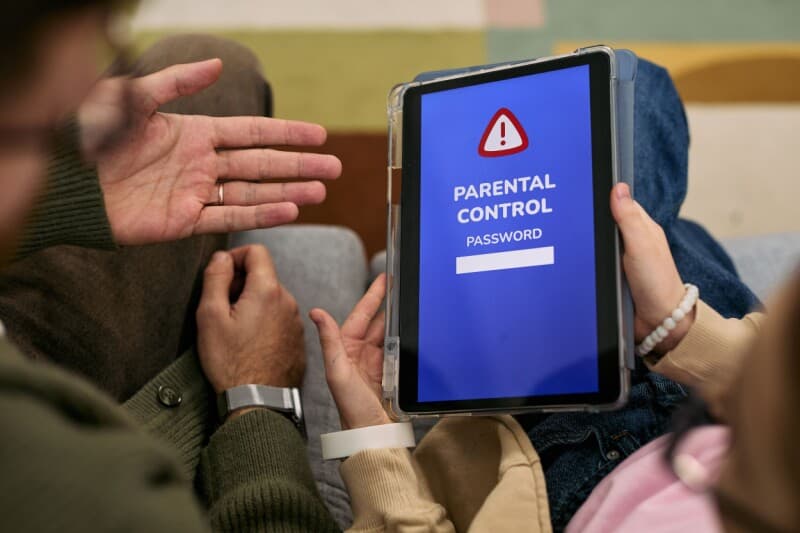
Apple is shifting the burden of digital parenting onto mothers and fathers with a suite of new controls that require constant approval for children's device activity. The upcoming iOS update transforms parents into gatekeepers for nearly every digital action their kids take.
The new features include Ask to Buy and Ask to Browse, which demand parental authorization before children can download apps or visit unfamiliar websites. Parents will also need to approve new contacts before kids can communicate with them through calls or messages.
New Monitoring Tools
Apple's system will automatically scan media in messages for nudity or gore and blur the content. Children will see an "Are you sure" prompt with an option to unblur the image. The feature extends to live FaceTime calls as well.
Time Allowances divide entertainment, games and social media into separate categories with recommended daily limits. Apple suggests one hour each for entertainment and games while capping social media at 30 minutes. Parents can pause all phone use or allow unlimited access as needed.
Why This Matters
The update places significant demands on parents who must respond to frequent approval requests throughout the day. Every time a child sees an app their friends are using, parents can expect a call or text asking for permission. This creates a dynamic where parents become de facto IT administrators rather than caregivers.
The controls also raise questions about children's privacy and autonomy. While Apple frames the features as protective measures, critics argue they could strain parent-child relationships by requiring constant oversight of everyday digital activities.
Industry Context
Apple developed these tools with input from child health organizations including the American Academy of Pediatrics, Childnet, ConnectSafely, Family Online Safety Institute and Common Sense Media. Apple is a top sponsor of Childnet alongside Microsoft and Disney. The company also supports ConnectSafely along with Google, Meta, Discord and Snap.
The move reflects growing pressure on tech companies to address concerns about children's screen time and online safety. However, Apple's approach places most of the responsibility on parents rather than building automated protections into its platforms.
Availability
The new child safety features will arrive this fall with the next major iOS update. Craig Federighi, Apple's senior vice president of software engineering, said during WWDC that the company is expanding its child safety features with powerful tools designed to give parents more control over what kids can see, who they can talk to and when they can use devices.