Editor: Porcia Akua Holmes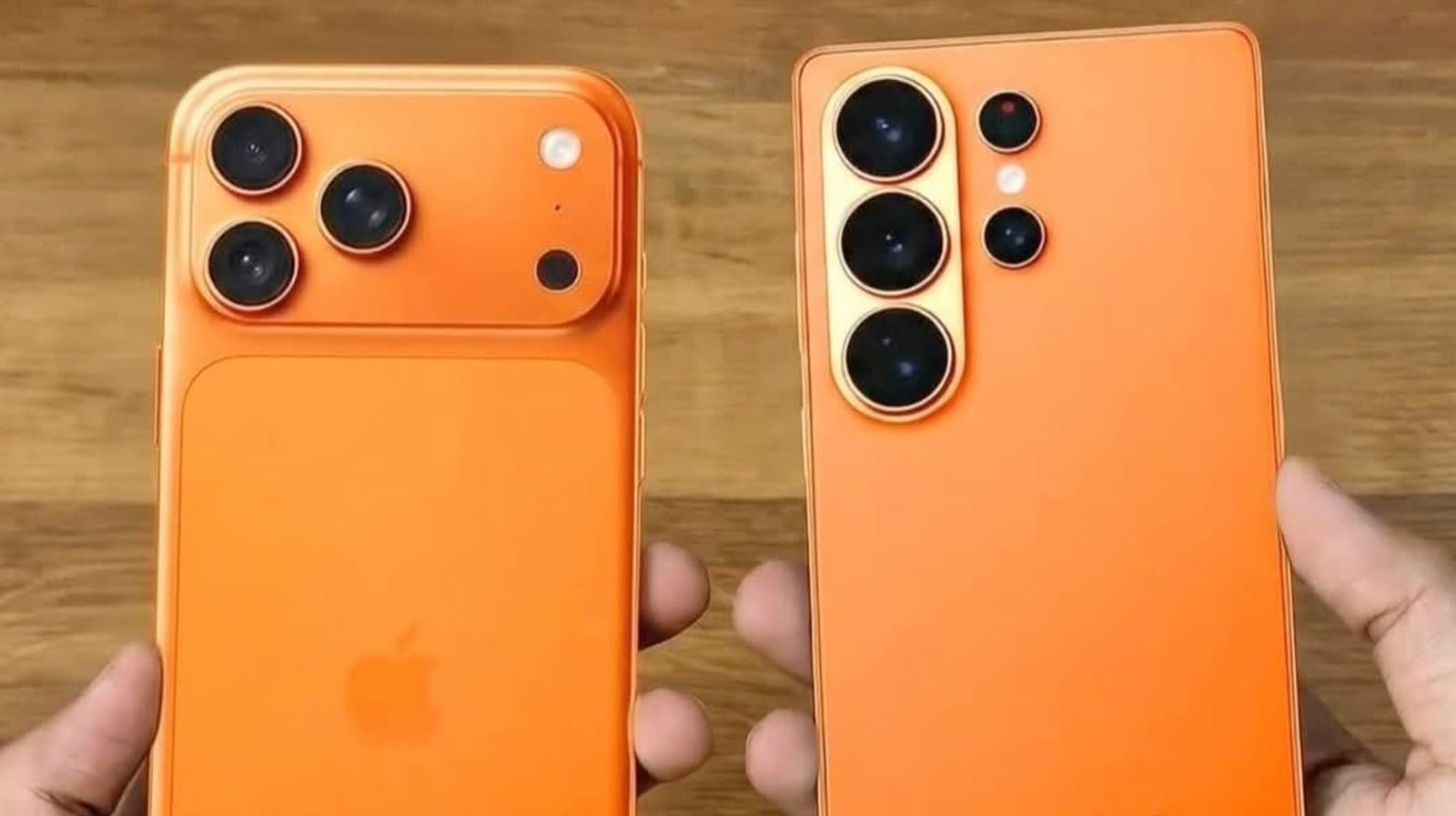
When buying a flagship smartphone, the warranty can be as important as the hardware. Apple and Samsung, the two dominant players in the premium phone market, offer standard warranties that are nearly identical on paper. The real differences emerge when consumers look at extended coverage options.
Standard Warranty Similarities
Both Apple and Samsung include a one-year limited warranty with every new phone. This covers manufacturing defects and hardware failures under normal use. Neither standard plan includes accidental damage, battery degradation or loss or theft. For most buyers, the basic coverage is the same.
Extended Coverage: AppleCare+ vs Samsung Care+
The split between the two brands becomes clear with their paid extended service plans. AppleCare+ adds up to two years of coverage with lower service fees for screen and other repairs. Samsung Care+ offers a similar structure but with different pricing tiers and deductible amounts. The choice often depends on how much a user values direct in-store service versus mail-in repairs.
Why This Matters
For anyone spending $800 or more on a phone, the warranty directly impacts the total cost of ownership. A repair without insurance can cost hundreds of dollars. Extended coverage from Apple or Samsung can reduce that expense but adds an upfront premium. Consumers who keep their phones for two or three years benefit most from understanding these differences before purchase.
Buyers should also consider third-party insurance or carrier plans. But Apple and Samsung offer the most seamless integration with their own repair networks. The choice ultimately comes down to how much risk the owner is willing to carry versus how much they want to pay upfront for peace of mind.