Senior Editor: Alan Agbele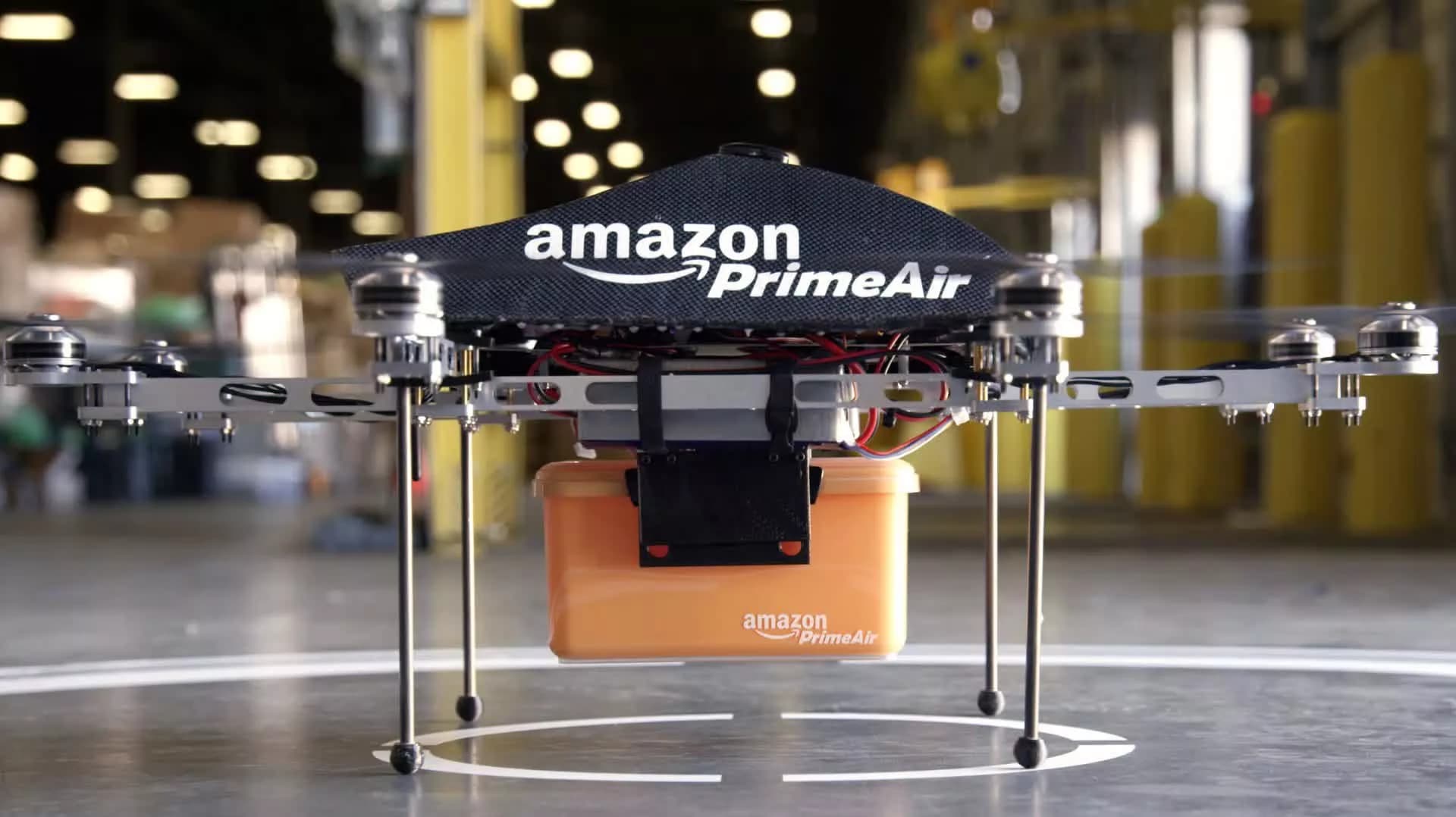
Amazon will bring 30-minute drone deliveries to nearly 500 US cities and towns by the end of 2026. The expansion represents a sixfold increase in its current delivery footprint. The plan signals that the company’s long-delayed Prime Air service is finally moving from pilot programs toward mass adoption.
A Decade in the Making
Amazon first unveiled its drone delivery concept in 2013. Over the next 12 years, the company encountered setbacks including regulatory delays, public skepticism and technical redesigns. The current fleet, deployed in a handful of US locations, handles limited orders. The plan to reach 500 cities and towns requires expanding infrastructure, securing additional Federal Aviation Administration approvals and winning community acceptance.
What the Expansion Means for Shoppers
The service targets items weighing less than 5 pounds, covering many everyday purchases such as electronics accessories, household supplies and over-the-counter medicines. Amazon says deliveries will arrive within 30 minutes from order placement. Currently, only a small fraction of Prime customers have access to drone delivery. By 2026, coverage could extend to tens of millions of households in metropolitan and suburban areas.
How Amazon’s Rivals Are Responding
Amazon’s main competitors in last-mile logistics, including UPS, FedEx and Alphabet’s Wing, have also been testing drone delivery. Amazon’s aggressive scale-up puts pressure on those players to accelerate their own timelines. Walmart has partnered with DroneUp to cover select stores. The race to dominate residential drone delivery is shifting from proof of concept to operational scale. Companies that cannot match Amazon’s investment in fleet size and regulatory bandwidth risk falling behind.
Why This Matters
For consumers, the expansion means a tangible shift in delivery speed for common items. For Amazon, it reduces reliance on ground couriers and cuts last-mile costs over time. For regulators and local governments, the influx of drones over populated areas creates new challenges around airspace management, noise ordinances and privacy. The plan also tests whether drone delivery can operate safely and reliably at high volumes, a question that will define the industry’s next decade.