Senior Editor: Alan Agbele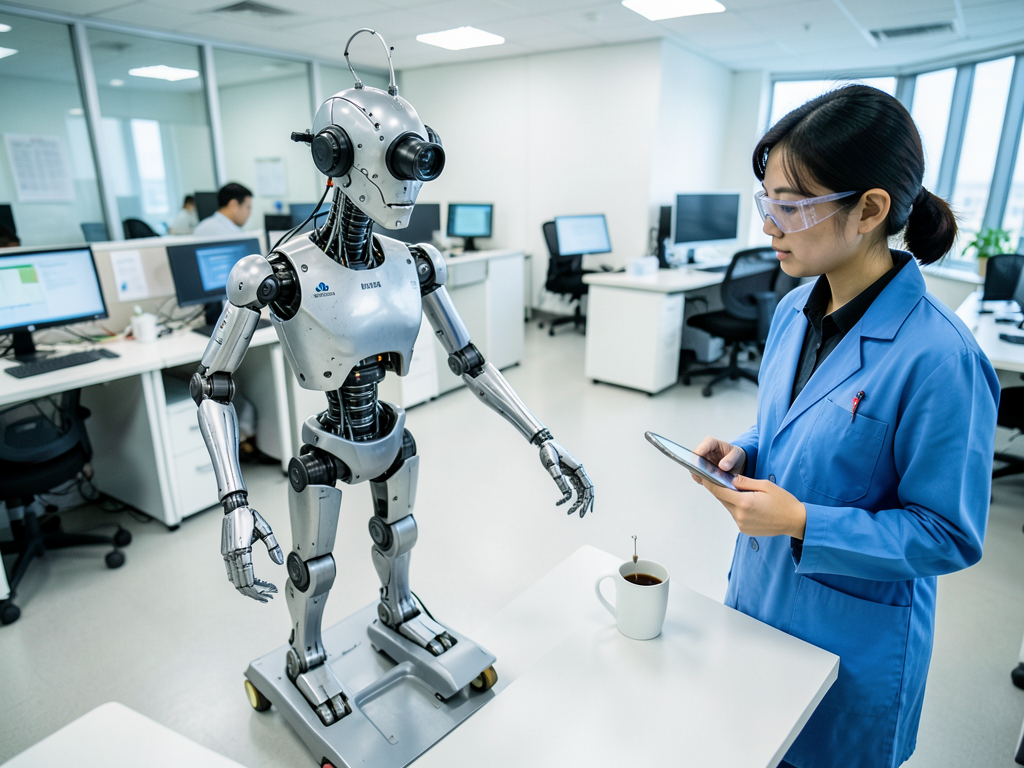
Alibaba has released Qwen-Robot Suite, a collection of foundation models designed specifically for robotics and physical world intelligence. The move places the Chinese tech giant among a growing list of companies racing to build general-purpose AI for robots.
A Foundation for Embodied AI
The Qwen-Robot Suite includes vision-language-action models that allow robots to perceive environments, follow natural language commands and perform tasks. Unlike earlier approaches that required separate systems for perception and control, this unified model can handle both. This architecture mirrors recent advances from Google's RT-2 and other embodied AI research projects.
Why This Matters
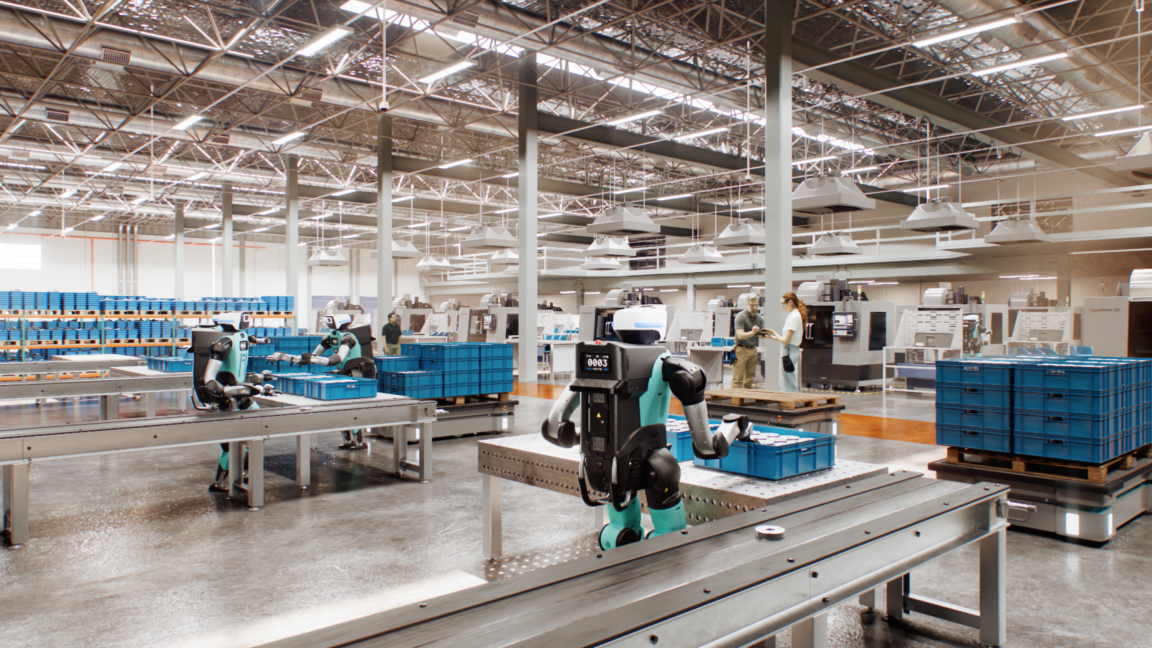
Embodied AI, where AI systems interact directly with the physical world, represents the next frontier in artificial intelligence. Foundation models like Qwen-Robot Suite could accelerate the development of general-purpose robots that work in homes, factories and warehouses. For robotics companies, this reduces the need to train models from scratch for every new task. The technology may also lower barriers for startups entering the robotics space.
Competition Intensifies
Alibaba is not alone in pursuing robotics foundation models. Google DeepMind has RT-2 and RT-X. OpenAI-backed Figure has shown impressive demos. Tesla is developing Optimus. Each player hopes to create the foundational software that powers the next generation of physical machines. Qwen-Robot Suite benefits from Alibaba's existing Qwen large language model family, which has been trained on massive amounts of text and image data.
Technical Foundations
The suite combines a large language model with visual encoding and action decoding. This allows the AI to translate camera input into motor commands without intermediate symbolic representations. Early benchmarks suggest the model performs well on manipulation tasks like picking, placing and tool use. However, real-world robotics remains difficult due to hardware constraints and safety requirements.
Industry Impact
The release signals that foundation models are becoming the default approach for robotics AI. Instead of handcrafting robotics software, developers can now fine-tune a pretrained model for their specific robot. This could speed up deployment of automation in logistics, manufacturing and healthcare. Alibaba's cloud business may also offer access to these models as a service, creating a new revenue stream.
Qwen-Robot Suite is still a research release. But it marks a clear step toward a future where robots are powered by the same kind of large-scale AI that now drives chatbots and image generators. The physical world may be the next big stage for foundation models.