A short story that won a literary prize is now at the center of a heated debate. Critics and readers are questioning whether the work was written with the help of artificial intelligence. The controversy has split the literary community and raised broader concerns about the role of AI in creative fields.
The story, which claimed an award in a recent competition, was subjected to scrutiny after readers noticed stylistic patterns that some said resembled AI-generated text. The author has not clearly denied using AI tools. Instead, the response has been ambiguous, fueling further speculation.
The Core of the Dispute
At the heart of the dispute is whether AI-assisted writing constitutes fraud or simply a new creative method. Some argue that using AI undermines the human effort and originality that awards are meant to honor. Others counter that AI is just another tool, like a word processor or grammar checker.
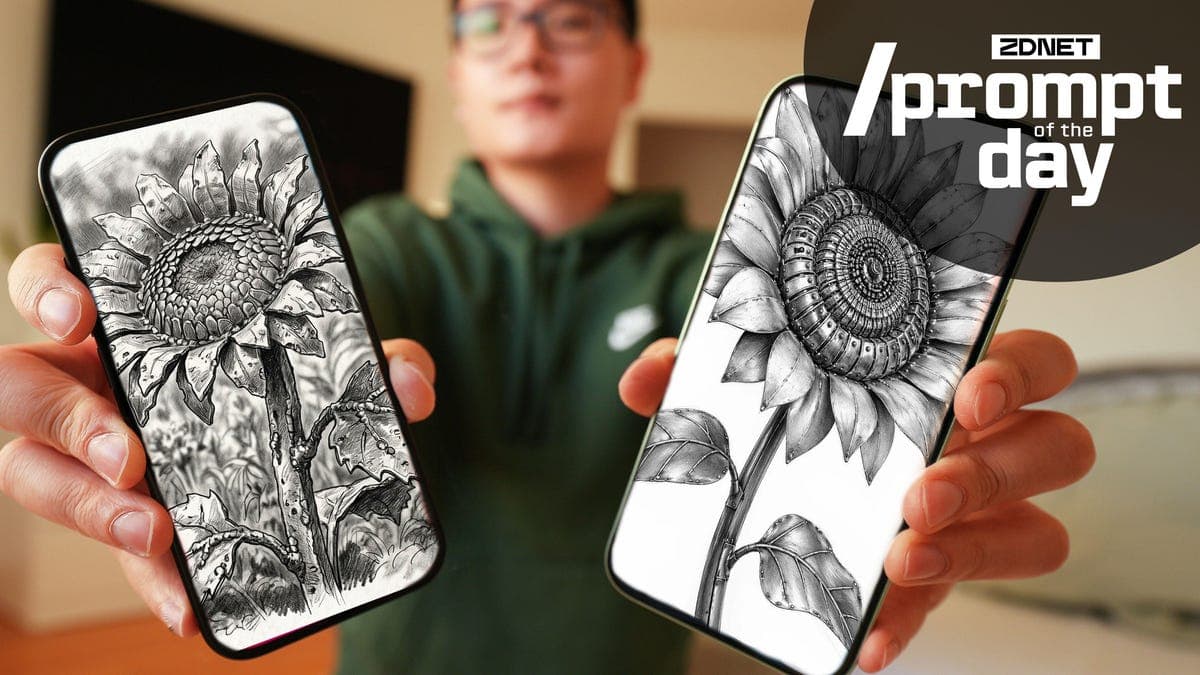
The controversy is not unique to this story. Similar scandals have emerged in visual art and music, where AI-generated works have won prizes. The difference here is the lack of clear disclosure rules for AI use in literary competitions.
Why This Matters
This debate directly affects writers, publishers and readers. If AI can produce award-winning fiction, it challenges the very definition of authorship. For aspiring writers, the fear is that human creativity will be devalued. Publishers face tough decisions about disclosure policies. Readers lose trust when they cannot be sure whether a story was written by a person or a machine.
The economic implications are also significant. Publishing houses may need to invest in AI detection tools. Contest organizers will have to rewrite rules. Without clear standards, the entire literary prize system risks losing credibility.
A Precedent for Future Contests
This case could set a precedent for how literary competitions handle AI involvement. Some contests already ban AI-generated submissions. Others require disclosure. But enforcement is difficult because AI detection remains unreliable.
The controversy highlights a growing tension between technological innovation and traditional creative values. It forces a critical question: Should awards celebrate human achievement exclusively, or can they recognize works that combine human and machine effort?
As the debate continues, the story itself becomes a symbol of the challenges facing literature in the age of AI. No clear resolution has emerged, but the conversation is far from over.