The transcription market has undergone a quiet revolution. Free AI-powered tools have improved to the point where paying for transcription software no longer makes sense for most people.
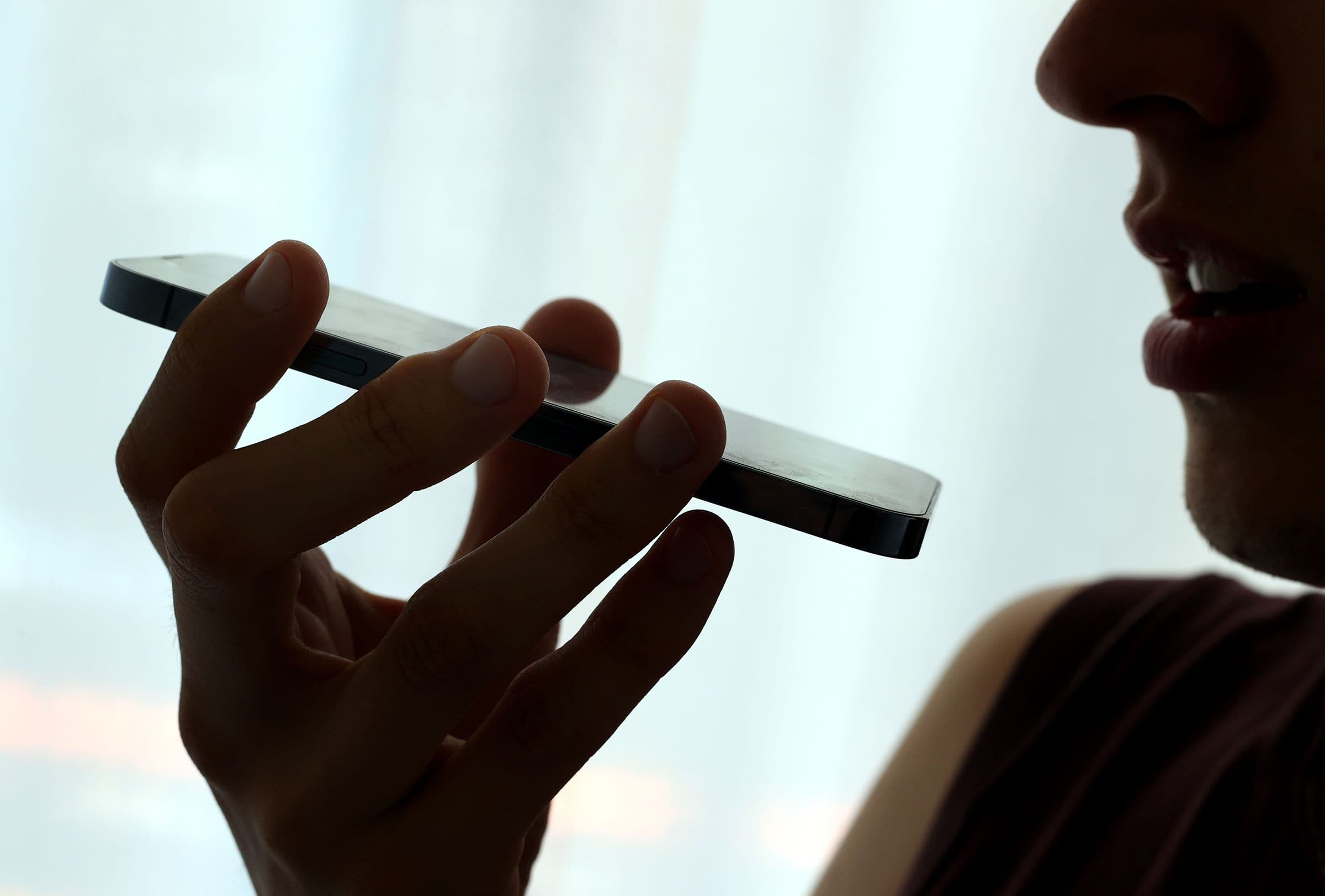
Recent tests comparing popular transcription services show that free options from major tech companies now deliver near-professional accuracy. Google Live Transcribe, Apple's Voice Memos with AI transcription and Microsoft's built-in Dictate feature all produce reliable results without a subscription fee.
A New Benchmark for Free Software
The gap between free and paid transcription tools has narrowed sharply. Just two years ago, free services struggled with background noise, multiple speakers and technical vocabulary. Today, the best free tools handle these challenges with surprising competence.
Google's Live Transcribe now supports over 80 languages and performs well even in noisy environments. Apple's Voice Memos transcription, available on recent iPhones and Macs, processes recordings on device without sending data to servers. That means faster results and stronger privacy protections.
Microsoft's Dictate feature in Office apps offers real time transcription with solid accuracy. It is free for anyone with a Microsoft account. These tools have raised the baseline for what users can expect without spending money.
When Paid Software Still Makes Sense
Paid transcription services maintain advantages in specific scenarios. Professional journalists covering complex panel discussions or legal depositions may need the higher accuracy that premium tools like Otter.ai or Trint provide. These services offer speaker identification, timestamped transcripts and integration with editing software.
Medical professionals and researchers handling specialized vocabulary may also find paid options worthwhile. Services trained on medical terminology can reduce error rates for clinical notes. But these use cases represent a fraction of the broader market.
The average user creating meeting notes, recording lectures or transcribing interviews will find free tools sufficient. Paying for transcription services is similar to paying for photo editing software when your phone's built in tools already meet your needs.
Why This Matters
The shift benefits millions of students, journalists and professionals who rely on transcription daily. Free tools remove a cost barrier that previously pushed people toward subscriptions or inconvenient manual transcription.
Privacy also improves when transcription happens on device. Apple and Google have moved processing to local hardware, meaning sensitive conversations never reach company servers. Paid services often require cloud processing to maintain higher accuracy.
The market for transcription software will likely continue shifting toward premium features rather than basic accuracy. Companies will need to offer unique capabilities such as advanced analytics or workflow automation to justify paid plans. For most users, the free options are already good enough.