Editor: Porcia Akua Holmes
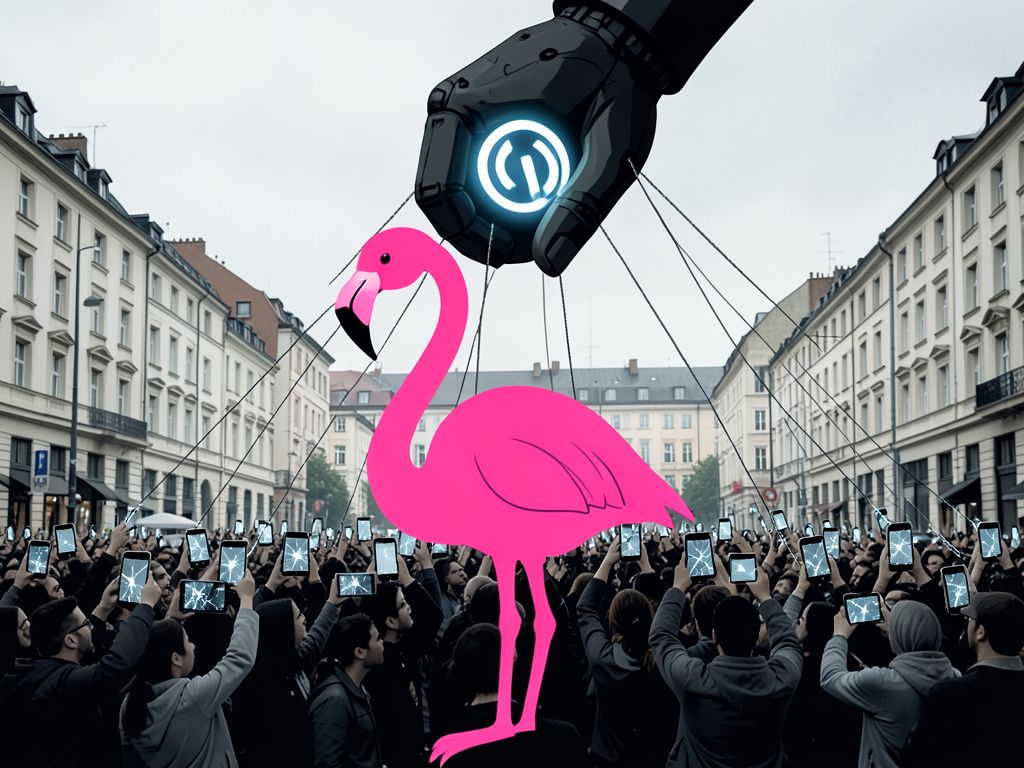
The Creative Commons system, a bedrock for open collaboration on the internet, faces an existential challenge from generative AI. The ability of large language models to ingest and remix publicly licensed works without clear attribution or compensation has sparked a fierce debate over the future of the commons. Critics warn that the unchecked use of Creative Commons material for AI training amounts to a quiet destruction of the very principles that made the web a shared resource.
The Core Conflict
At the heart of the dispute is a mismatch between the permissive culture of the open web and the opaque nature of machine learning. Creative Commons licenses were designed for human-scale sharing, not for bulk ingestion by automated systems. When an AI model generates text or art that resembles a Creative Commons-licensed work, the original creator often receives no credit or compensation. This dynamic has led some to argue that AI is effectively destroying the incentive to contribute to the commons.
The issue gained widespread attention after a series of high-profile lawsuits in which artists and writers claimed their Creative Commons works were used without permission. The Destruction of trust in the system, as some have called it, threatens to drive creators away from open licensing entirely. A lively set of Comments on platforms like Hacker News reveals deep divisions: some see the scenario as a natural evolution of technology, while others view it as a violation of the social contract.
Why This Matters
The stakes extend beyond individual creators. The Creative Commons ecosystem underpins vast repositories of knowledge, from Wikipedia photos to open educational resources. If AI training erodes the commons, the public loses access to a shared cultural and informational asset. The real-world consequence could be a retreat to walled gardens, where only licensed content from big corporations is available for AI use. That outcome would concentrate power further and stifle the innovation that the open web once enabled. For policymakers, the question is whether existing copyright law can adapt or whether new legislation is needed to preserve the commons.
Industry Responses and Next Steps
Several organizations are exploring technical and legal fixes. Some propose embedding machine-readable license metadata into Creative Commons works, allowing AI systems to check terms before training. Others advocate for a collective licensing model, similar to music royalties, that would compensate creators when their works are used.
The debate is far from settled. As AI models grow more capable, the pressure to find a sustainable balance between innovation and attribution will only intensify. The future of the Creative Commons may depend on whether the community can adapt its rules for an era of machine learning.