Senior Editor: Alan Agbele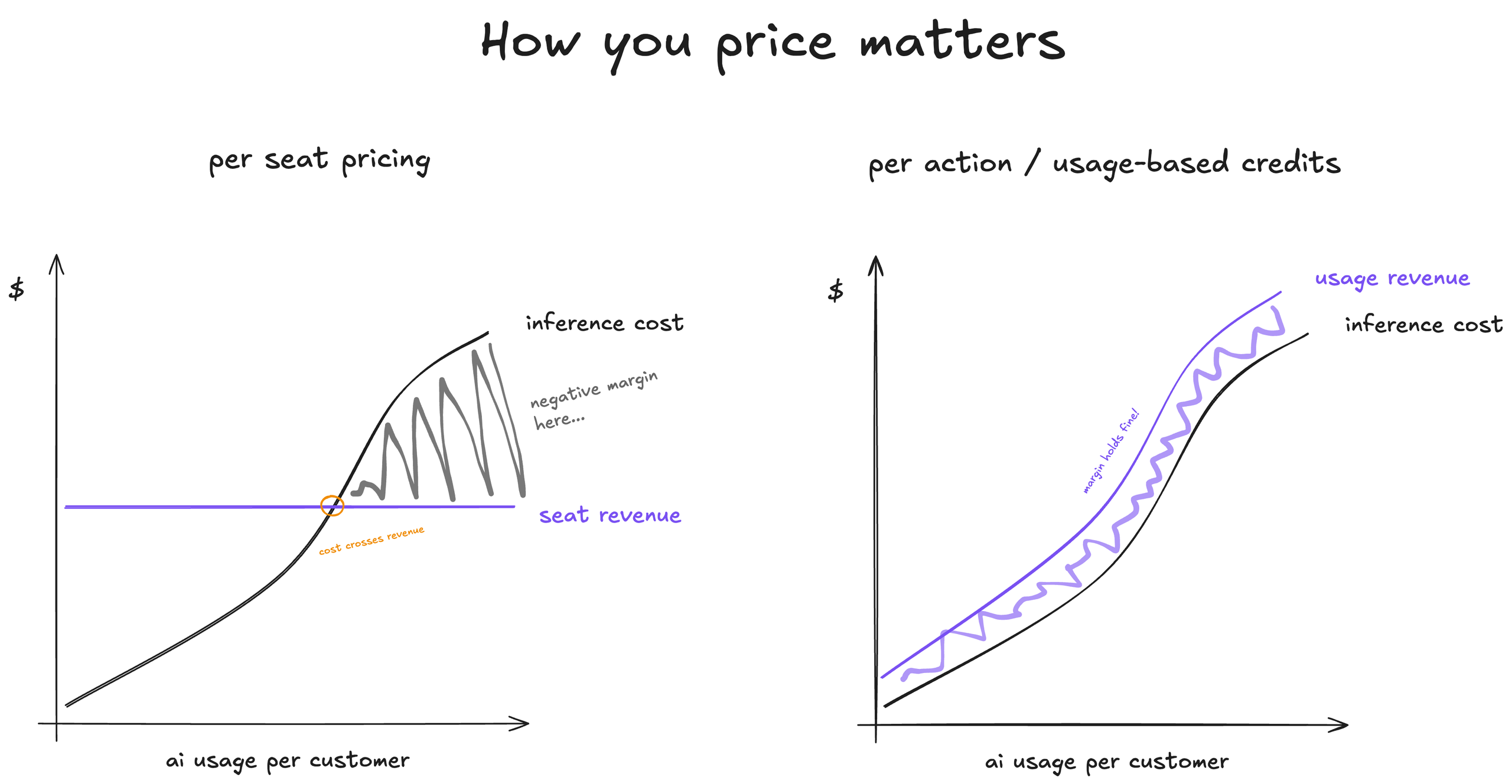
The cheap AI pricing that many developers and businesses have grown accustomed to is disappearing. The industry has entered a period of recalibration as companies move away from loss-leading pricing strategies.
For months, major AI providers offered access to powerful models at rates that seemed too good to last. Those rates are now being adjusted upward. The shift reflects the enormous cost of running large-scale AI infrastructure, from GPU clusters to energy consumption.
Why This Matters
Startups that built products on cheap AI tokens face a new reality. Their unit economics may no longer work. Developers who rely on APIs for core features must now account for higher operational costs. The change is not a single price hike but a structural shift away from what was always an unsustainable subsidy.
“The current AI pricing was always going to go away,” the industry has acknowledged in recent discussions. The comment reflects a growing consensus that the low-cost era was a temporary market-building tactic. Now, providers are adopting usage-based pricing, tiered plans and enterprise contracts to match the true cost of compute.
The Drivers Behind the Shift
Several factors are forcing price increases. The demand for AI inference has skyrocketed, straining data center capacity. Electricity costs continue to rise. And the latest generation of models requires significantly more compute than previous versions. Providers must also recoup massive capital investments in hardware and research.
Some companies have already implemented significant price adjustments. Others are quietly reducing free tiers or introducing rate limits. The trend shows no signs of reversing. Analysts expect further adjustments in the coming months as the market stabilizes around sustainable pricing.
For consumers, the impact will vary. Casual users of free chatbots may see degraded service or usage caps. Businesses that integrate AI into their workflows will need to renegotiate contracts and forecast AI spending. The broader effect is a maturing market where AI services are priced like the expensive infrastructure they are.
What Comes Next
The new pricing landscape will likely reward efficient use of AI. Companies that optimize their prompts, cache responses and select cheaper models when appropriate will maintain lower costs. The days of unfettered experimentation with the most powerful models are giving way to more strategic deployment.
Developers should expect more transparency from providers. Transparent pricing that aligns with actual compute usage will become the norm. This may also accelerate interest in open-source models, which offer more predictable costs but often require self-hosting.
The reset is a necessary correction. It clears the path for a healthier AI economy where pricing reflects value and cost. For now, the message is clear: the cheap AI buffet is closing. Providers are printing the menu with real prices.