Senior Editor: Alan Agbele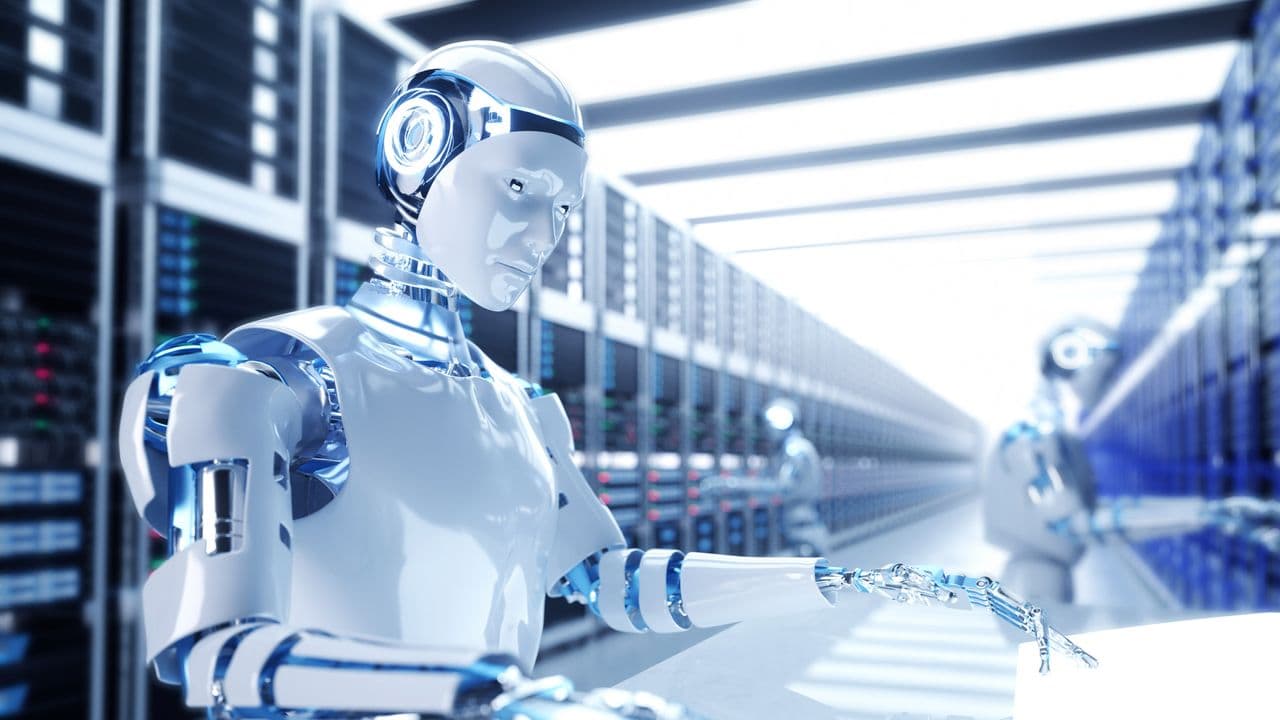
IT teams that cede too much decision-making to artificial intelligence risk losing their ability to think critically. This creates a workforce of tech zombies unable to respond when automation fails, experts say.
AI tools are increasingly used to handle routine tasks such as system monitoring, password resets and network diagnostics. Reliance on these systems can erode the problem-solving skills teams need for complex or unexpected issues.
The Automation Paradox
The efficiency gains that make AI appealing may come at a hidden cost. A study from the MIT Sloan Management Review found that professionals who depend heavily on automated systems show reduced ability to detect anomalies or question outputs.
This phenomenon is not new. Pilots have long faced automation complacency when autopilot systems dull manual flying skills. The same dynamic now threatens IT departments.
Why This Matters
When AI handles the easy stuff, IT staff stop practicing the mental muscles needed for tough problems. A network outage that veers from the usual pattern could leave a team paralyzed if no one remembers how to diagnose without the AI's guidance.
The stakes are high. Businesses rely on IT uptime and security. A workforce that cannot think on its feet opens the door to longer downtime, greater security risks and higher costs.
IT leaders must ensure AI remains a tool, not a crutch. Regular training on manual processes and simulated failures can keep human judgment sharp.
AI should be like a calculator, analysts say. It handles the routine so people can focus on what matters. If you never learn to do the math in your head, you will not catch the calculator's mistakes.
Balancing Automation and Expertise
Some organizations are already pushing back. They rotate staff through manual troubleshooting exercises and require teams to document how they would solve problems without AI tools. These practices ensure institutional knowledge does not vanish.
Another approach involves limiting AI autonomy. Instead of letting AI make decisions, companies use it to flag issues and suggest solutions, leaving the final call to a human. This preserves decision-making skills while still gaining efficiency.
The label tech zombie may sound dramatic but the underlying concern is real. IT teams must remain capable of independent thought. The cost of losing that ability could be far greater than any short-term productivity gain.
Gartner predicts that by 2026, 40% of infrastructure and operations teams will use AI-augmented automation. Without safeguards, that trend could produce a generation of IT workers unable to perform without AI assistance.