The rapid expansion of artificial intelligence systems is creating a widening gap between the technology being deployed and the human expertise needed to manage it safely. Industry experts warn that this misalignment poses serious risks to organizations and society.
The Growing Disconnect
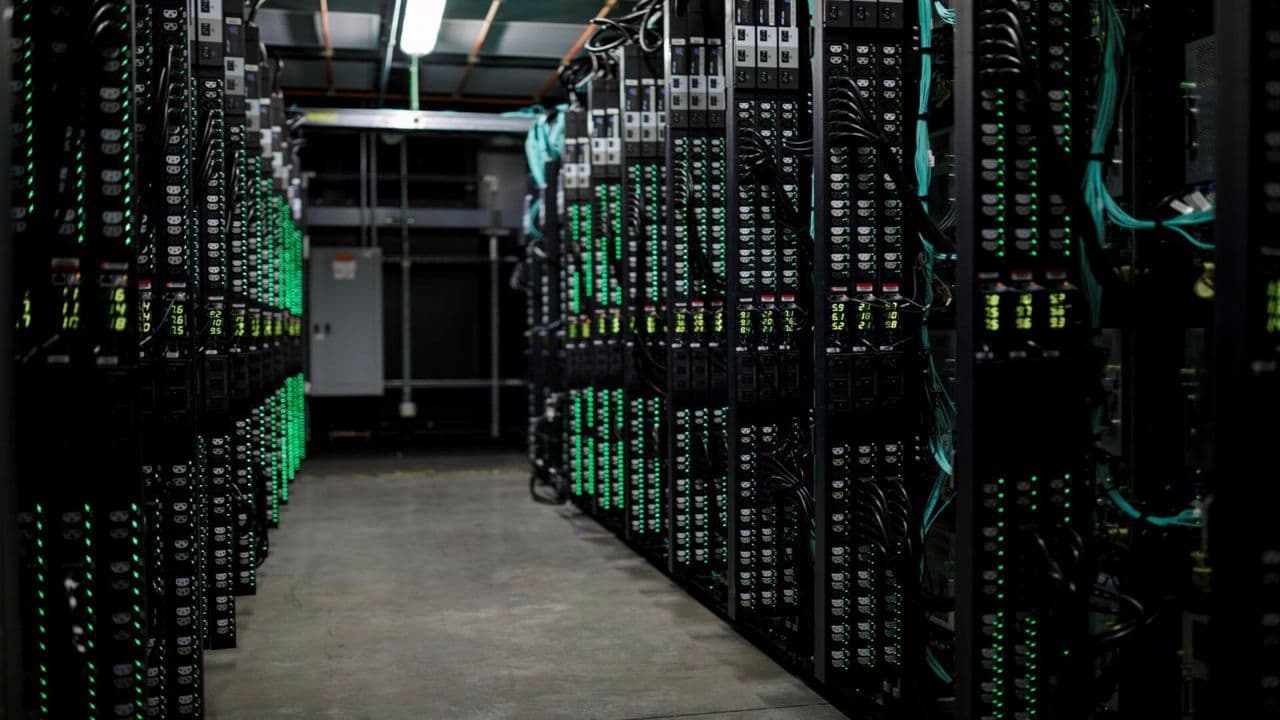
As companies race to integrate AI into their operations, the workforce responsible for overseeing these systems often lacks the necessary training and understanding. This disconnect means that while infrastructure scales at an unprecedented pace, the shared knowledge required to govern it lags behind.
Experts point out that without a consistent framework for AI literacy across industries, decision-makers may struggle to identify when systems behave unpredictably or fail. The result is a fragile ecosystem where errors can cascade quickly.
Why This Matters
This gap directly affects businesses, regulators and the public. Organizations deploying AI without adequate oversight risk operational failures, reputational damage and regulatory penalties. For workers, the lack of standardized training creates uncertainty about job security and career paths. Regulators face the challenge of crafting rules for technologies they may not fully understand themselves.
The economic stakes are high. Mismanaged AI systems can lead to costly mistakes in healthcare, finance and critical infrastructure. Public trust in technology also erodes when high-profile failures occur due to human error rather than technical flaws.
Standardization as a Solution
Industry leaders advocate for developing universal standards for AI governance and workforce training. These standards would establish baseline competencies for anyone working with or around AI systems.
Standardization would help ensure that safety protocols are consistent across sectors. It would also make it easier for workers to transition between roles as technology evolves.
The Role of Education
Educational institutions must update curricula to include practical AI literacy alongside technical skills. Short-term certification programs could help current professionals upskill quickly.
Companies also bear responsibility for investing in ongoing training rather than relying solely on external hires. Building internal expertise reduces dependence on outside consultants who may not understand specific organizational contexts.
A Call for Urgency
The window for action is narrowing. As AI capabilities advance exponentially, the time needed to train humans remains linear at best. Delaying investment in education and standards will only widen the gap further.
Experts stress that this is not just a technical problem but a human one. The future of safe AI deployment depends on closing the understanding gap before it leads to preventable crises.