Editor: Porcia Akua Holmes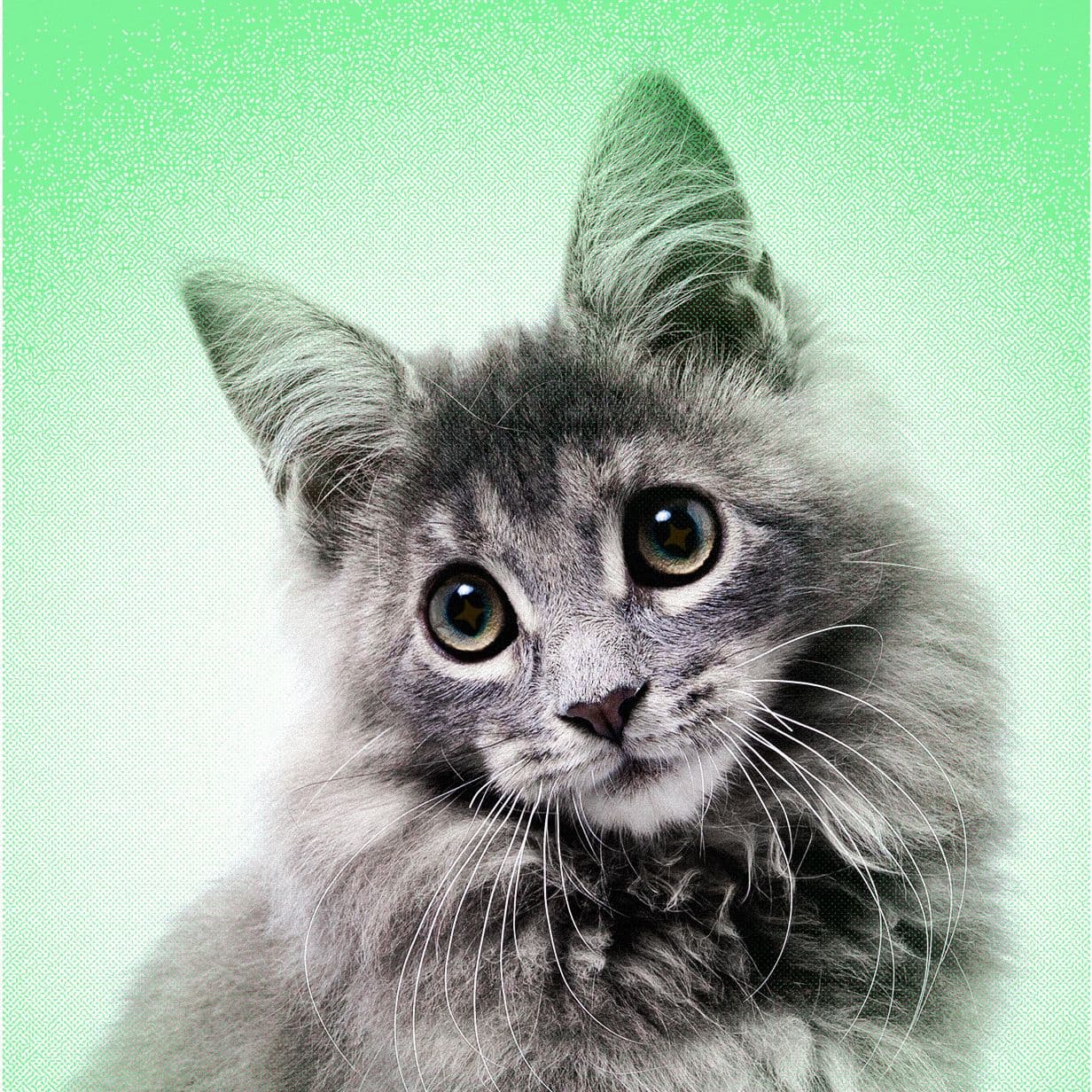
Fake AI-generated images of polar bears, house cats and other animals are flooding social media, creating confusion for pet owners, rescue agencies and wildlife conservationists. The surge in synthetic content is making it increasingly difficult for internet users to determine whether an animal is real or a digital fabrication.
The Scale of the Problem
AI-generated animal images have become a pervasive feature of social media feeds. The term AI Slop describes the flood of low-effort synthetic content that often mimics viral cute animal posts. Conservation groups report that fake images of rare species mislead the public about wildlife behavior. Pet rescue agencies encounter fraudulent adoption posts featuring AI-generated pets that do not exist.
Why This Matters
The erosion of visual authenticity has real-world consequences for animal welfare and conservation funding. Donors may unknowingly support wildlife campaigns featuring AI-generated animals. Adoption networks could become less effective if potential adopters cannot trust animal listings. Without intervention, the credibility of entire online animal communities is at risk. Platforms must develop verification systems or risk losing user trust permanently.
Calls for New Safeguards
Pet owners, rescue agencies and wildlife groups are urging social media companies to implement content provenance tools. Some advocate for mandatory AI labeling on synthetic animal images, similar to requirements for political deepfakes. The concept of an Internet Pet authentication standard has been proposed, though no major platform has adopted it. Until such measures arrive, users are advised to cross-reference animal posts with reputable sources.