Editor: Porcia Akua Holmes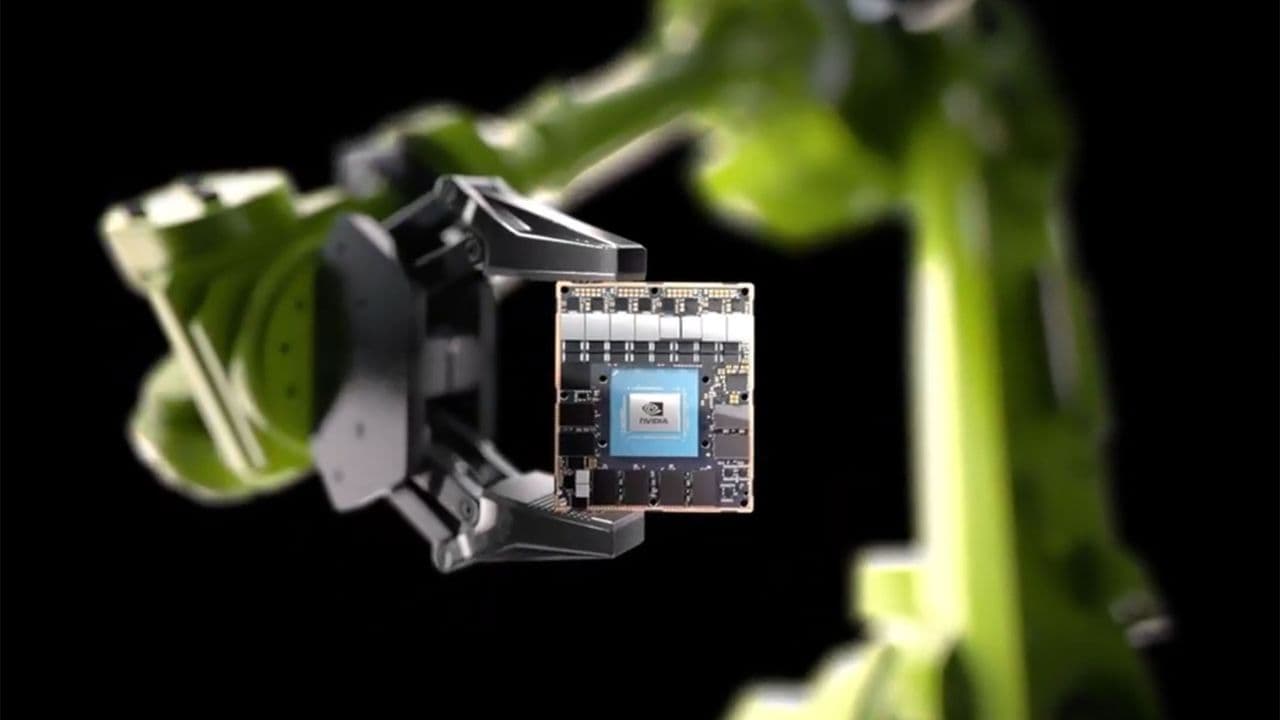
A Russian Molniya drone equipped with an Nvidia Jetson Orin module killed three civilians at a gas station in Zaporizhzhia last month after selecting its own final target without human input, marking the first documented case of civilian deaths caused by a Russian AI-guided drone using fully autonomous targeting. The strike, detailed by a New York Times investigation, involved a drone that chose its aim point onboard using object-recognition software trained to lock onto features such as propane tanks. The aircraft struck a nearby wall and detonated, killing a 19-year-old accounting student and two men aged 41 and 48.
Details of the Zaporizhzhia Attack
A Russian Molniya drone launched as part of a group of about half a dozen aircraft toward a gas station, according to Ukrainian air defense commanders. The NYT investigation states that human operators guided the drone to the general area, but the final target selection occurred autonomously through onboard software. The drone failed to clear an apartment building on approach, struck a wall and detonated near civilians sheltering below, rather than hitting its intended target. The dead were identified as Tetiana Bubynets, 19, and two men aged 41 and 48. Col. Serhiy Minaiev, Zaporizhzhia's air defense commander, told the NYT: "Machines are making decisions to strike."
AI Hardware and Export Loopholes
Nvidia confirmed to the New York Times that the modules recovered from the drone were Jetson Orin minicomputers, consumer-grade hardware that retails for a few hundred dollars. A spokesperson noted that the products are not designed for military purposes and are not sold directly to Russia, but acknowledged they are available through third-party resellers. Ukrainian investigators have now linked the Nvidia Jetson Orin to four distinct Russian weapon systems, illustrating a growing reliance on AI targeting:
Data-center AI accelerators fall under U.S. export controls, but edge modules like the Jetson Orin, with variants starting at $249, are not restricted. This gap has allowed Russian forces to incorporate commercial AI hardware into frontline weapons.
Why This Matters
The Zaporizhzhia attack shifts the debate over autonomous weapons from theoretical risk to documented harm. For civilians in conflict zones, the use of fully autonomous targeting means errors in object recognition can directly lead to loss of life, as happened when the drone missed its intended propane tank. For the global defense industry, the incident demonstrates that inexpensive, off-the-shelf AI hardware can be weaponized, challenging existing export control frameworks. Ukrainian defenses now include anti-drone netting and sheeting placed around propane tanks to confuse image recognition systems, a reactive measure that highlights the difficulty of countering AI-guided munitions. The New York Times investigation also revealed that Ukraine tested its own fully autonomous systems in recent months, and Ukrainian quadcopters have killed Russian soldiers in autonomous mode as early as 2024. The technology is here; the rules for its use in war are not. This case demands urgent international attention to regulate autonomous weapons before more civilians die.