Editor: Porcia Akua Holmes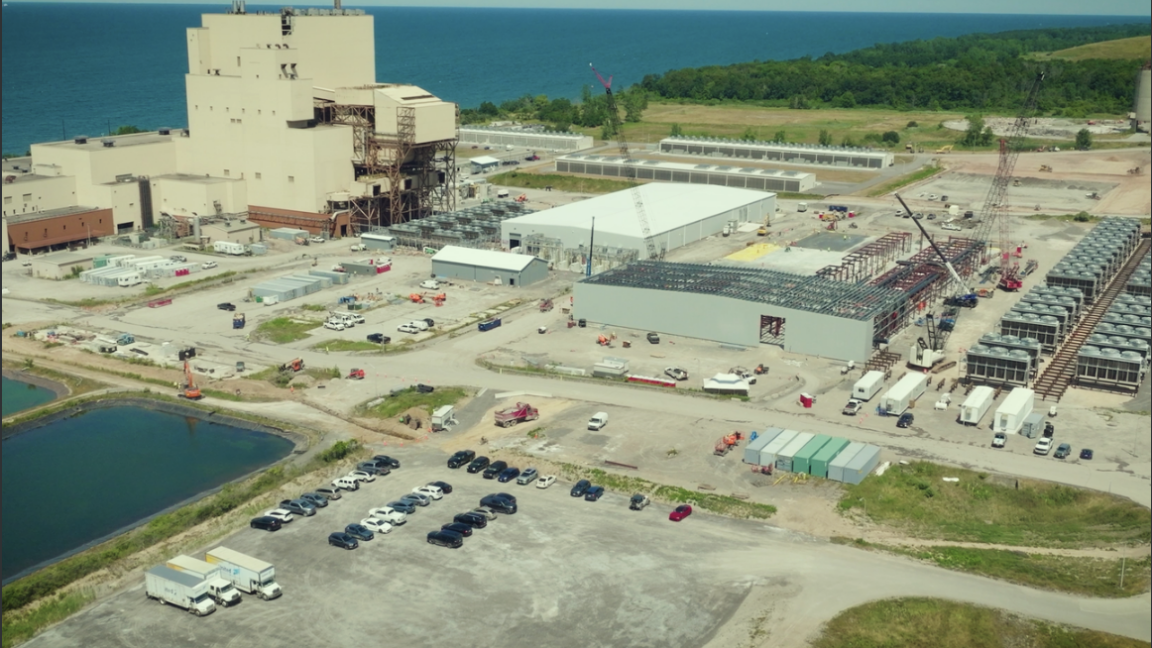
A fire at an unfinished building within the Lake Mariner data center campus in Somerset, New York, has exposed significant safety failures that local firefighters were unprepared to face. The incident underscores the disconnect between the rapid expansion of AI infrastructure and the regulatory frameworks meant to protect workers and communities.
Fire Exposes Safety Gaps
Firefighters from the Barker Fire Department arrived to find heavy black smoke from unidentified chemicals. The safety data sheets legally required to inform their response had reportedly burned in the fire. Dead hydrants and a lack of working alarms compounded the danger. Chief Steve Matisz said his crew went into the building "kind of blind," facing unknown hazards without critical documentation.
The building under construction lacked a functioning alarm and suppression system, leaving firefighters without basic safety infrastructure. The episode highlights how quickly AI data center construction is outpacing local emergency preparedness, especially in rural areas where large facilities suddenly appear.
Complex Infrastructure Web
The Lake Mariner campus, built on the site of a former coal mine, involves a layered corporate structure that complicates accountability. TeraWulf owns and operates the data center on land leased from a company controlled by its own CEO. Fluidstack, a UK-based AI company, is contracted to run the center's operations. Google holds warrants for a future 14 percent equity stake and has agreed to guarantee Fluidstack's lease payments. Anthropic is among the AI firms whose compute demand the facility exists to serve.
This web of relationships means no single entity bears clear responsibility for safety on site. The ownership structure, with TeraWulf leasing land from its CEO's company, adds potential conflicts of interest that can hinder accountability during emergencies.
Why This Matters
The incident sets a precedent for how safety incidents in AI data centers will be handled. As these facilities multiply across rural and suburban areas, local fire departments must adapt to new chemical hazards and opaque ownership structures. Without updated safety requirements and clear chains of accountability, similar failures may become more common, putting workers and first responders at risk. The fire also pressures regulators to revisit oversight rules for data center construction, especially when large tech companies like Google and Anthropic are downstream beneficiaries. The infrastructure boom cannot outrun basic safety standards without consequences for communities and the industry itself.