Senior Editor: Alan Agbele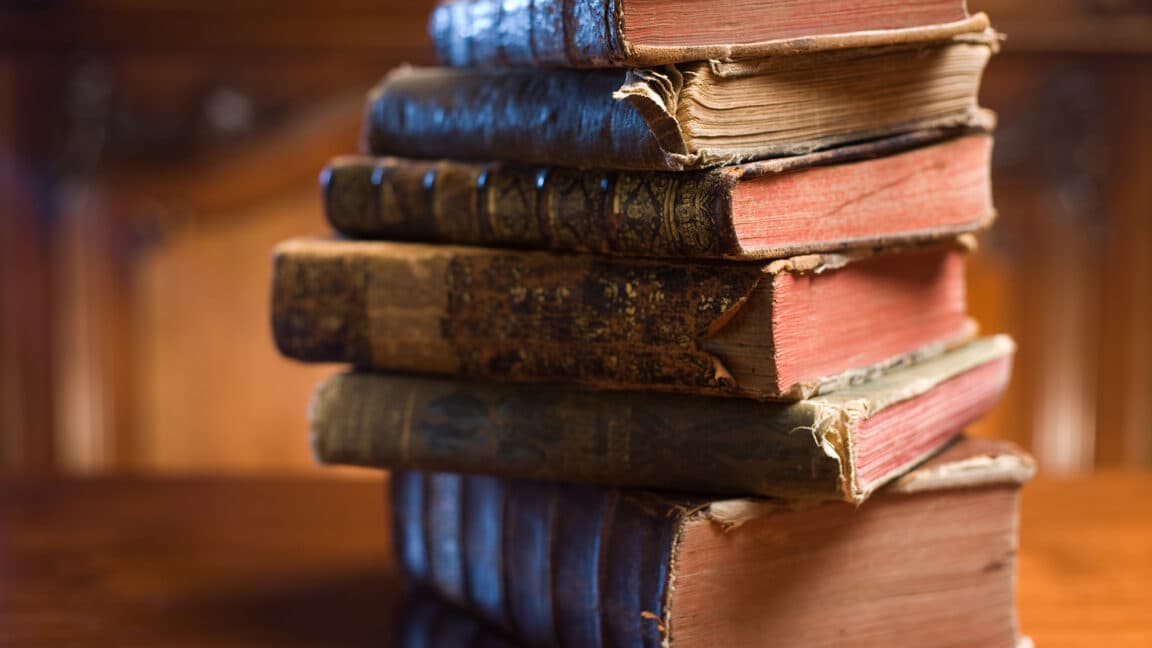
A troubling practice has emerged in the rare book market: AI companies are acquiring old, fragile volumes and destroying them in order to extract their contents for machine learning. Booksellers, the professionals who handle these texts, report growing suspicions that some purchases are not meant for preservation but for rapid destruction scanning. The trend represents a grim trade-off between advancing artificial intelligence and preserving physical culture.
The Mechanics of Destruction
Scanning a book without destroying it is slow and expensive. High-resolution imaging requires careful handling, page by page, which costs both time and money. AI companies, however, operate under intense pressure to train models on the best possible data. The web is now saturated with AI-generated slop, making clean, human-written text harder to find. Books, especially older ones, offer a pristine source. But speed demands brutal efficiency. Many firms simply cut the spine, feed pages through a scanner, and discard the remains.
Booksellers have noticed a pattern. Bulk purchases of titles that have little resale value but contain rich prose are increasingly common. Buyers sometimes make no effort to hide their purpose, stating openly that the books will be destroyed after scanning. For antique dealers who spend years preserving and cataloging rare works, each lost copy represents a small tragedy.
Why This Matters
This practice directly threatens the material record of human knowledge. While digital copies may survive, the physical originals carry historical and cultural value that cannot be replaced. Booksellers act as stewards of this heritage, and their observations suggest the scale of destruction is larger than publicly reported. The loss is not limited to common titles; rare first editions and annotated copies may already be gone. For the AI industry, this creates a long-term reputational risk. The public may grow hostile to technologies built on sacrificed books, especially if the models produce output that merely mimics older works. The ethical calculus is clear: no training data is worth erasing a primary source.
A Market Under Pressure
The rare book market has long relied on trust between seller and buyer. Booksellers, however, now face a difficult choice: accept large orders with no questions asked, or refuse sales to protect the collection. Some dealers have started asking buyers to sign pledges that purchased books will not be destroyed. But enforcement is nearly impossible. Meanwhile, demand is rising. Every major AI lab and several startups are racing to secure clean text, and physical books remain the largest untouched corpus. Without regulation or strong industry norms, the destruction is likely to accelerate.
There are alternatives. Non-destructive scanning technology exists, though it is slower. Partnerships with libraries and archives could provide digitized access without harming copies. And some AI companies have committed to ethical sourcing, promising to use only public domain or licensed digital content. But the pressure to outperform competitors tempts many to take shortcuts. Booksellers, who see the results up close, are among the most vocal critics. Their warnings deserve attention before more shelves are emptied and more pages are shredded.