Editor: Porcia Akua Holmes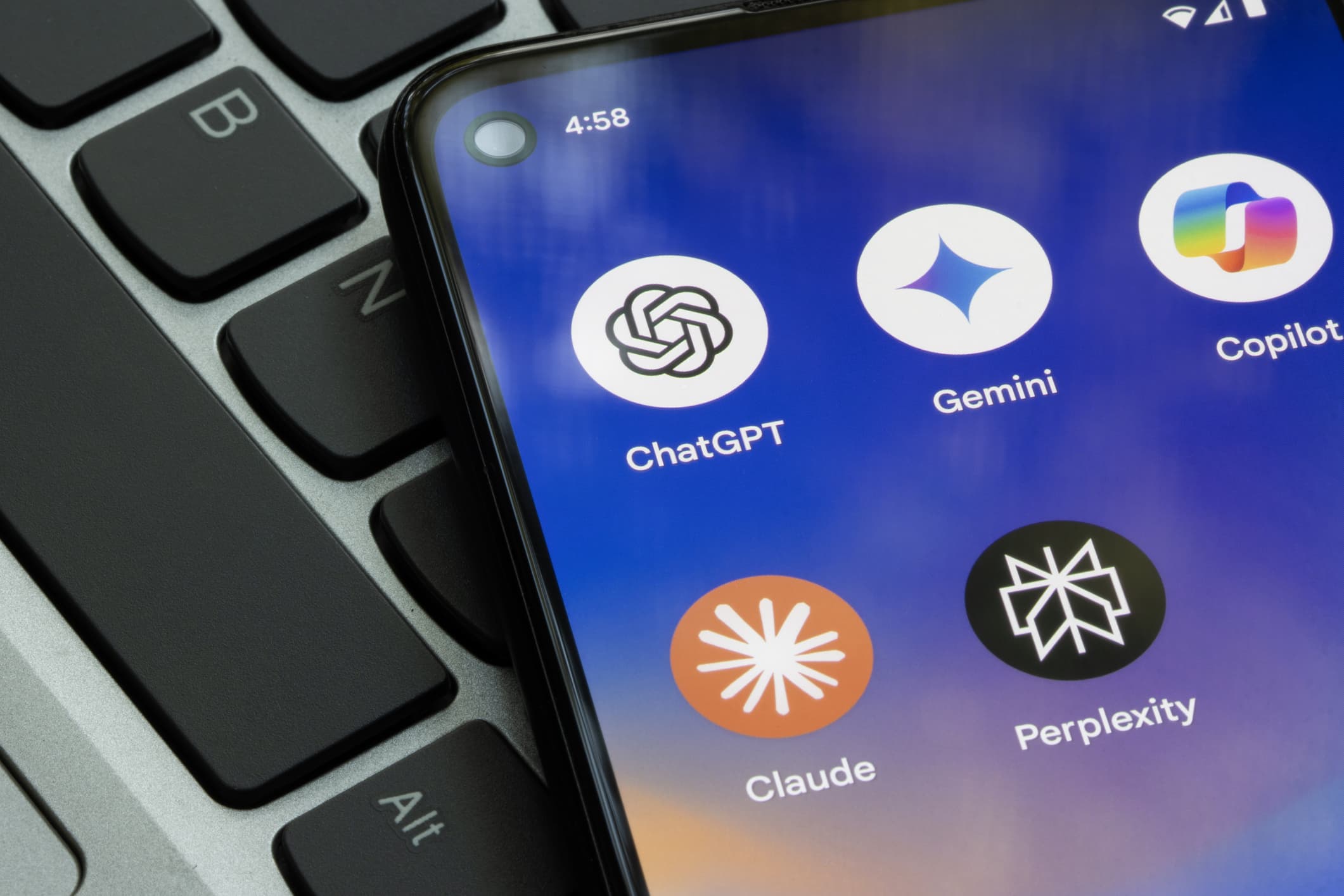
The three leading AI chatbot platforms are introducing deeper customization capabilities, allowing users to adjust tone, verbosity and behavior in ways that move beyond simple system prompts. OpenAI's ChatGPT, Google's Gemini and Anthropic's Claude now each offer varying levels of control, reflecting a broader industry push toward personalization.
How Customization Differs Across Platforms
ChatGPT, Gemini and Claude each take distinct approaches to user control. OpenAI added custom instructions early on, letting users specify preferences that apply across all conversations. Google’s Gemini allows similar persistent settings but also integrates with Workspace tools for context-aware responses. Claude offers project-level instructions and a style toggle that can shift between concise and explanatory tones.
The Business Case for Personalization
Enterprises are the primary beneficiaries of these customization tools. Teams can configure a chatbot to match internal communication standards or legal compliance needs without engineering overhead. For example, a marketing department might set a consistent brand voice while a support team uses different instructions to ensure clarity and empathy. Startup founders and freelancers also gain efficiency by avoiding repetitive instructions in each session. The ability to store and reuse these settings reduces friction and increases the likelihood that users will turn to AI for routine tasks.
Why This Matters
The customization race reshapes how deeply AI integrates into daily work. When a chatbot can be tuned to a specific persona or communication style, it shifts from a general-purpose tool to a dedicated assistant for particular roles. This trend could accelerate adoption in professional environments where one-size-fits-all responses are insufficient. At the same time, power users may develop dependency on highly tuned models, raising questions about data privacy and the potential for over-personalization to reinforce biases. The outcome will depend on how transparently each platform exposes its customization logic and allows users to audit model behavior.
Practical Impact on Everyday Users
For casual users, customization means less time engineering prompts and more consistent results. Students can set a tutor-like tone while professionals can switch between formal and casual output without restarting a conversation. The learning curve remains minimal: most platforms offer a settings panel where changes take effect immediately. As these features become standard, the line between AI tool and personal assistant continues to blur.