Senior Editor: Alan Agbele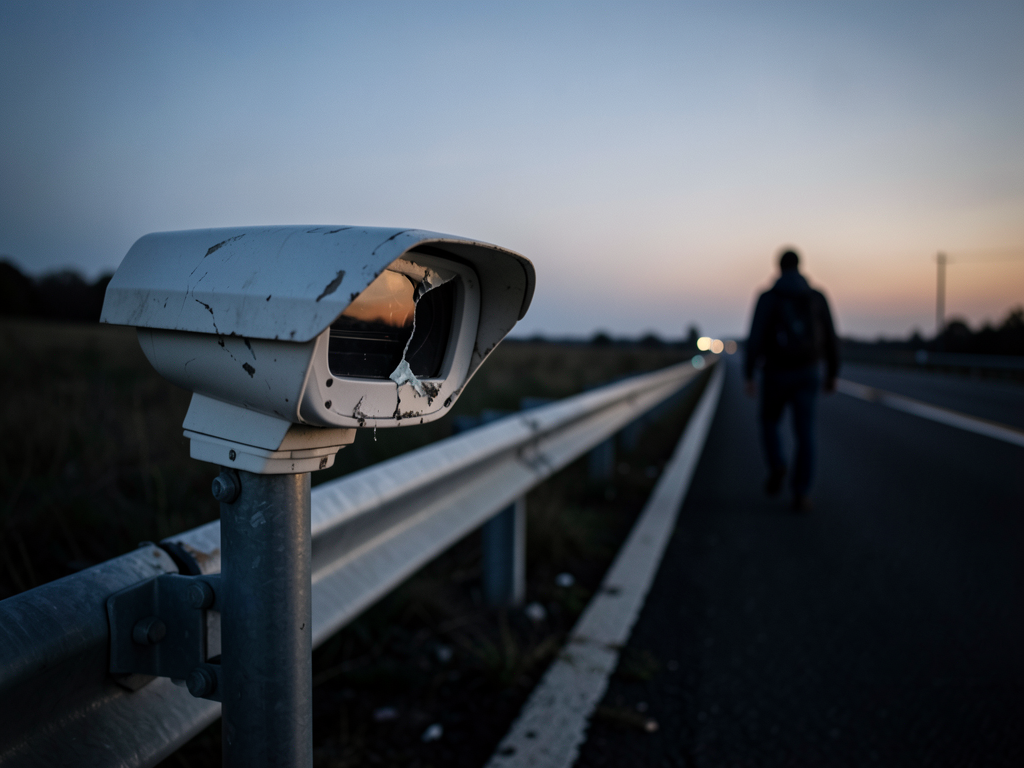
The man who built an online following exposing the locations of automated license plate readers has stopped after the devices he featured were physically destroyed. Steve Eimers, known widely as the “Guardrail Guy,” went viral for posting about Flock cameras installed along highways. Now two of those cameras have been vandalized, and Eimers says he is done.
The Vandalism That Shifted the Narrative
Eimers had been regularly posting videos and images of Flock cameras mounted on highway guardrails, often noting where they were placed and questioning their purpose. The posts drew a mix of support from privacy advocates and criticism from law enforcement supporters. Then someone destroyed two of the cameras that had appeared in his content.
The destruction was not claimed by any group. Eimers, however, quickly distanced himself from the act. In a subsequent post, he said the vandalism crossed a line he was not willing to follow. The “Guardrail Guy” who went viral for posting about Flock cameras now says he is done with the entire effort.
Why This Matters
This case reveals a deeper conflict around automated surveillance. Flock cameras are used by police departments to track vehicle movements in real time, and critics argue they create a permanent record of innocent drivers. Eimers’ decision to step back shows how quickly online advocacy can spiral into real-world consequences that activists cannot control.
The outcome also sends a message to other would-be critics: pointing out the location of surveillance infrastructure can put that hardware at risk, and the original critic may bear the blame. The chilling effect could reduce public accountability for camera networks that operate with minimal oversight.
Broader Implications
The incident fits a pattern where digital activism around public surveillance leads to physical retaliation or property damage. For companies like Flock Safety, the vandalism provides a reason to further restrict information about camera locations. For privacy advocates, it complicates efforts to shine light on monitoring systems.
What Comes Next for Surveillance Critics
Eimers’ retreat does not end the debate over Flock cameras. Other activists continue to document automated license plate readers, but they now face a cautionary example. The broader question of how to challenge surveillance networks without enabling property destruction remains unresolved. For now, the “Guardrail Guy” is silent, and the cameras he once highlighted are either repaired or replaced.