Senior Editor: Alan Agbele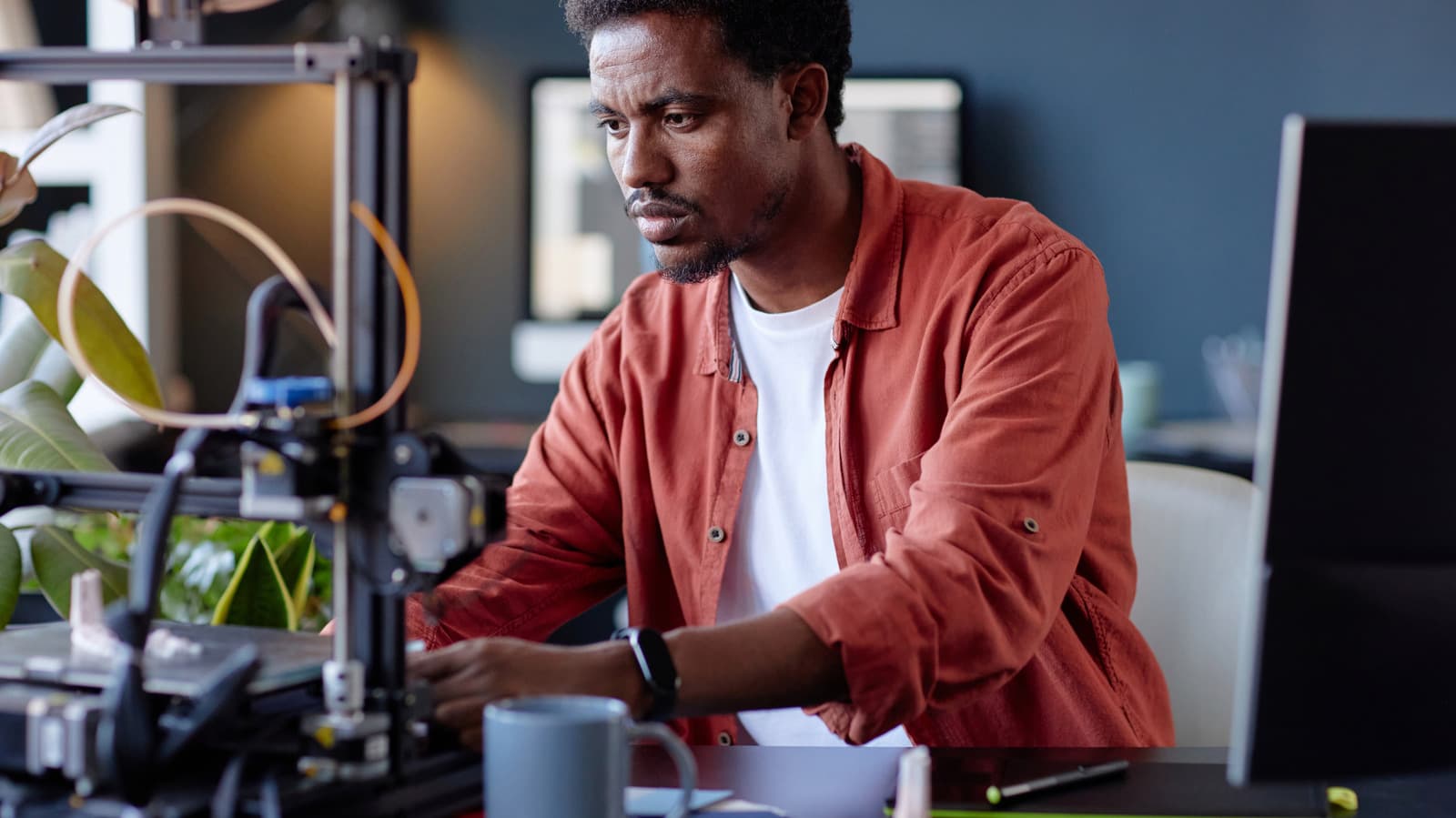
Many hobbyists and makers stash their 3D printers in bedrooms to save space, but the convenience comes with overlooked hazards. The question "Is it safe to keep your 3D printer in your bedroom?" has become a common concern among enthusiasts and health-conscious users alike. Emerging research and incident reports point to two primary risks: airborne pollutants and fire potential from thermal runaway.
Air Quality Concerns from FDM Printing
FDM printers heat thermoplastics such as polylactic acid (PLA) and acrylonitrile butadiene styrene (ABS) to their melting points, releasing a complex mixture of gases and particles. Studies have detected styrene, ethylbenzene and other VOCs during ABS printing, with styrene classified as a possible human carcinogen by health agencies. Even PLA, often marketed as a safer bio-plastic, generates ultrafine particles that can bypass the lungs' natural defenses and enter the bloodstream.
Fire Hazards from Thermal Runaway
Thermal runaway occurs when a printer's heating element or controller fails, causing the hotend to overheat uncontrollably. Budget printers often lack proper safety certifications and rely on firmware-level thermal runaway protection, which can be disabled by user error. Inadequate wiring, loose connectors or filament jams can also trigger a fire. Users should verify that their printer includes robust thermal runaway protection by default and pair it with a fireproof enclosure.
Why This Matters
As 3D printing moves from dedicated workshops into shared living spaces and bedrooms, the gap between consumer convenience and safety awareness is widening. Families with young children are especially vulnerable, as kids may be exposed to emissions during sleep when respiratory defenses are lower. The industry still lacks mandatory safety standards for residential 3D printers, making it essential for buyers to research risks before placing a machine in a sleeping area. Without proactive measures, the trend toward bedroom printing could lead to preventable health issues or property damage.