Senior Editor: Alan Agbele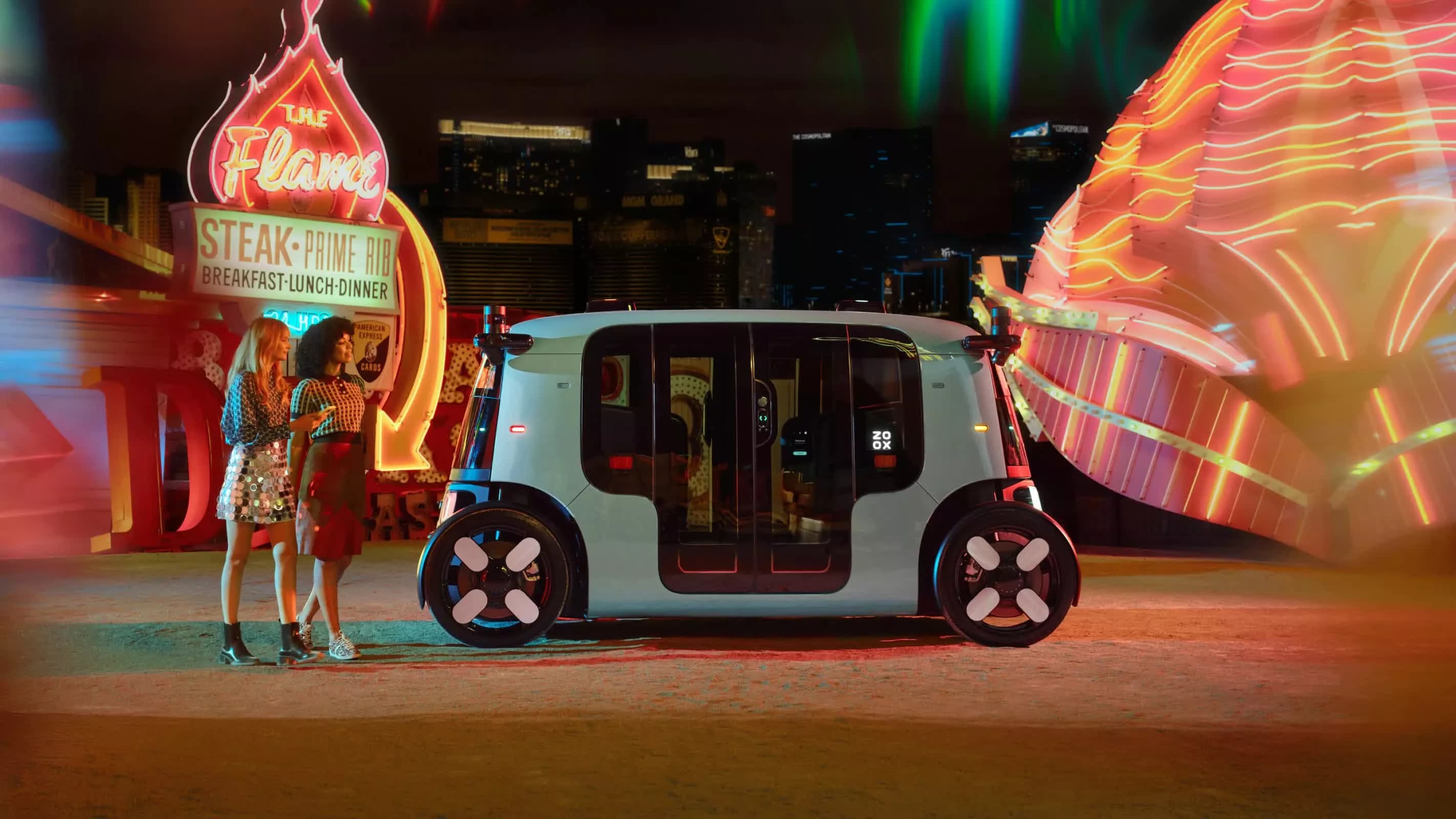
Amazon-backed autonomous vehicle company Zoox has begun offering free robotaxi rides in San Francisco, marking a direct challenge to Alphabet's Waymo. The company's vehicle, which lacks a steering wheel and pedals, represents a fundamentally different approach to self-driving technology in one of the industry's most demanding test markets.
A Unique Vehicle Design
Unlike most autonomous test fleets, the Zoox robotaxi is a purpose-built bidirectional vehicle. It can travel in both directions without turning around, with passengers facing each other in a carriage-like cabin. This design eliminates the need for a human driver interface, setting it apart from Waymo's fleet, which uses modified electric vehicles with traditional controls.
The compact footprint and symmetrical shape allow the Zoox vehicle to maneuver in tight urban environments. The company has conducted extensive testing in Las Vegas and on private courses before moving to San Francisco's complex street grid.
Free Rides as a Market Entry Tactic
Zoox is initially offering free rides to select members of the public in a limited area of San Francisco. The strategy mirrors the early days of ride-hailing services, where companies used free or discounted trips to build user bases and refine operations. Waymo already operates a paid robotaxi service in the city, but Zoox aims to differentiate through its vehicle design and zero-emission promise.
Why This Matters
The deployment of Zoox in San Francisco intensifies the competition for leadership in autonomous ride-hailing. If Zoox's purpose-built design proves safer and more efficient than retrofitted vehicles, it could set a new standard for the industry. However, the company must overcome public skepticism following incidents involving Cruise's vehicles in the same city. Success here could accelerate Amazon's broader logistics ambitions, while failure would validate concerns about unproven designs. The outcome will influence how other technology companies approach autonomous vehicle development, particularly the choice between modifying existing cars and building vehicles from scratch.
What's Next for Autonomous Ride-Hailing
Both Zoox and Waymo are expanding their service areas and fleets. Zoox has not announced pricing for when free rides end, but analysts expect it to compete with Waymo on cost per mile. The company also faces the challenge of scaling production of its unique vehicle. San Francisco remains a critical proving ground where real-world traffic, pedestrians, and unpredictable events test the limits of autonomous systems. The race between these two approaches a bidirectional pod versus a modified sedan will reshape consumer expectations for driverless transportation.