Senior Editor: Alan Agbele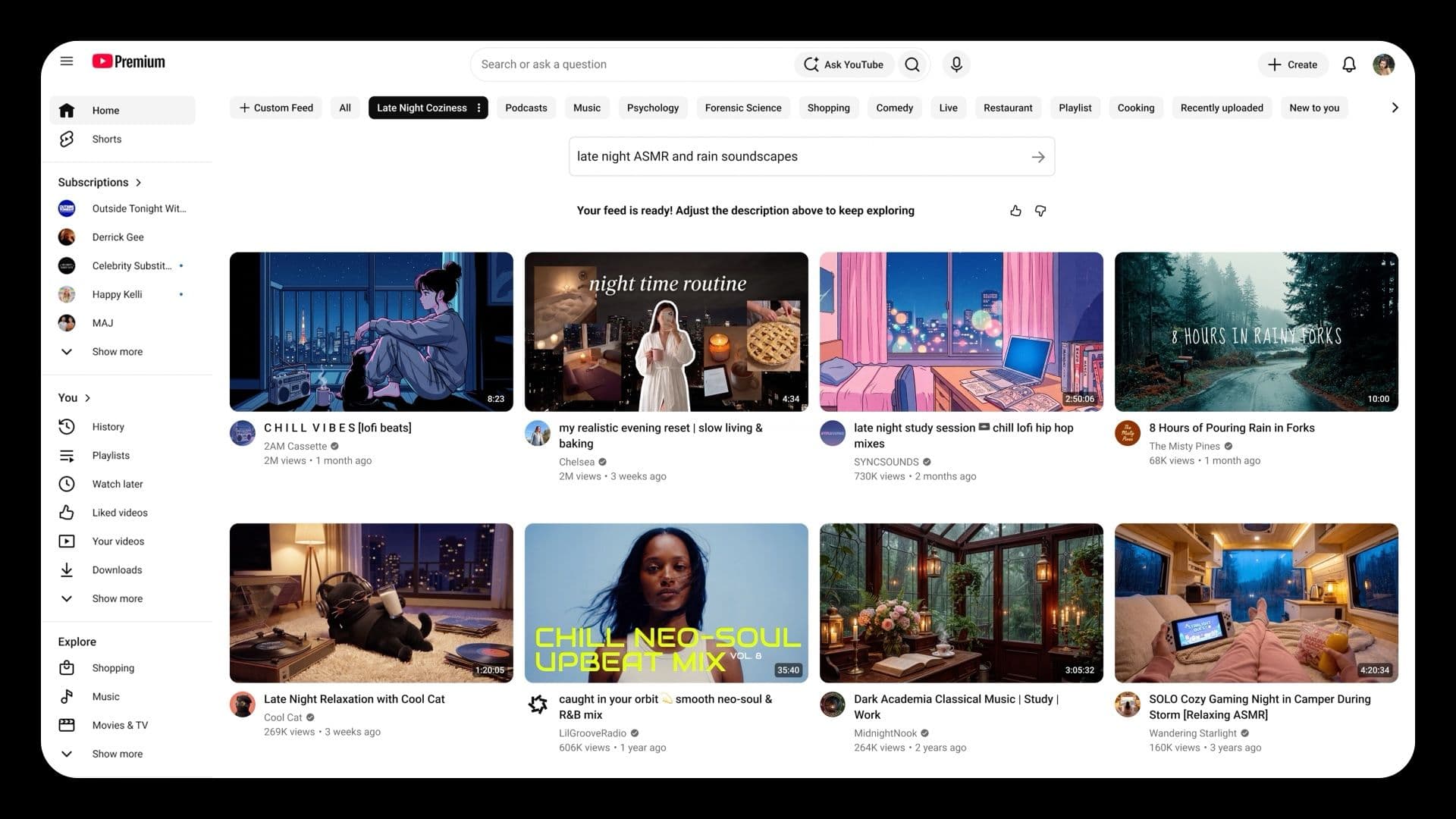
YouTube is giving users a new way to take charge of their homepage. The platform's Custom Feeds Give You More Control Over the Algorithm In YouTube's recommendation system, allowing viewers to build feeds based on specific topics or channels they choose. Instead of relying on the algorithm's automated suggestions, users can now see only the content they want.
How the Custom Feed Feature Works
Users can create multiple custom feeds by specifying channels or search terms. Each feed then shows only videos matching those criteria. The feature is accessible from the YouTube sidebar or settings menu. It does not replace the main home feed but exists alongside it.
What This Means for Creators
For content creators, the change could alter how audiences find their videos. If users rely on custom feeds, they may see fewer algorithm-recommended videos from unfamiliar creators. That could reduce organic discovery for new channels. Established creators with loyal subscribers, however, benefit because their content appears directly in fans' custom feeds.
YouTube has not disclosed how custom feed usage will affect video recommendations or ad placement. The feature may evolve based on user feedback.
Why This Matters
The move signals a broader industry shift toward user-controlled content curation. For years, platforms like YouTube, Facebook and TikTok have relied on opaque algorithms to determine what users see. By offering custom feeds, YouTube acknowledges that many viewers want less algorithmic influence. This change could pressure competitors to offer similar flexibility. For users, it means a more predictable and intentional viewing experience. For YouTube, it represents a balancing act between personalization and user autonomy.
Broader Context and Comparisons
Other platforms have experimented with user-controlled feeds. Twitter's Lists and Facebook's Feed Preferences allow similar customization but rarely replace the main algorithm. YouTube's approach is notable because it lets users create dedicated feeds that function almost like separate channels within the platform. This could appeal to power users who want to curate their experience without abandoning the platform entirely.