Senior Editor: Alan Agbele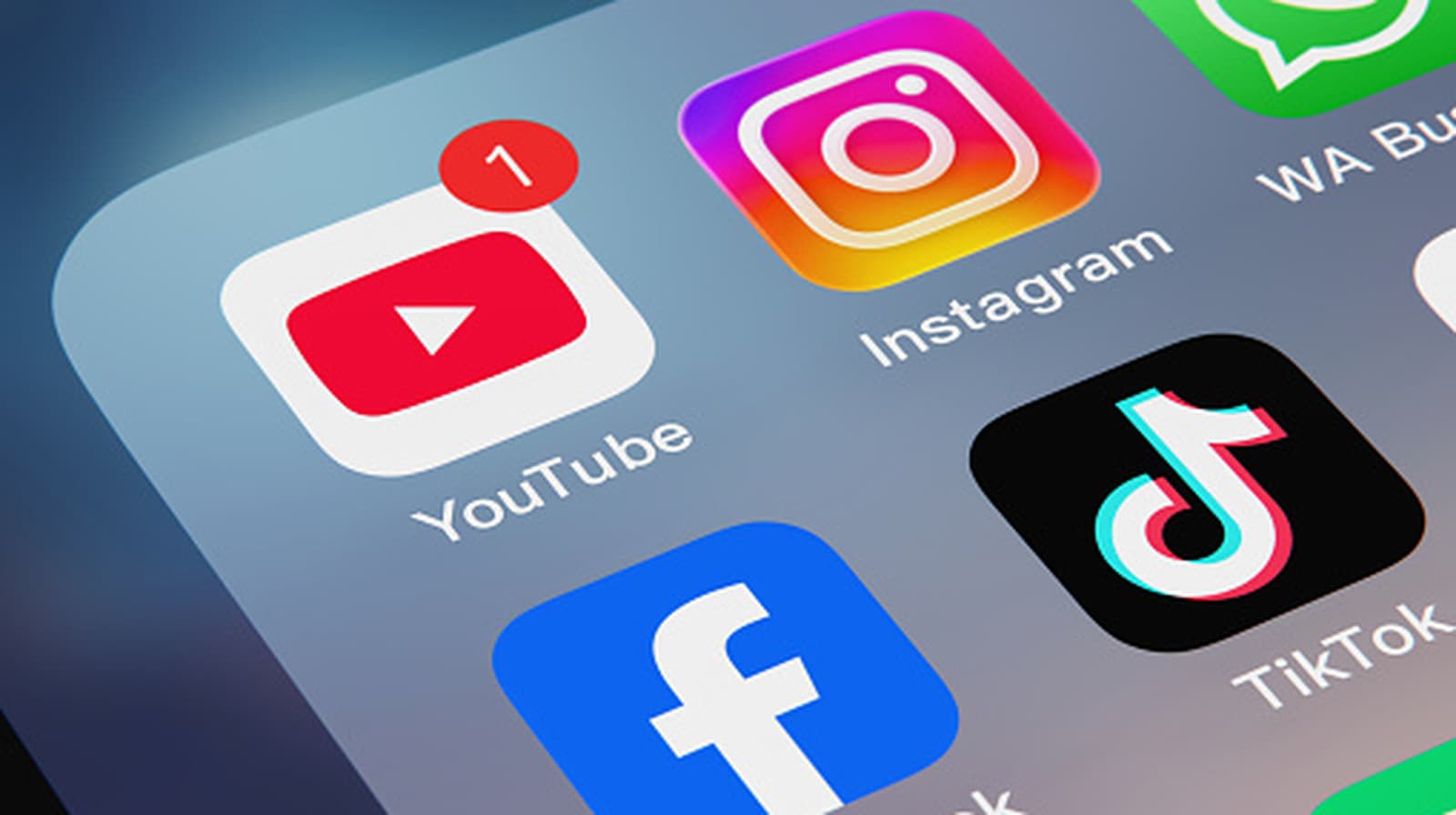
YouTube has begun testing direct messaging in its mobile app for users in the United States, marking a significant step in the platform's evolution from video hub to social network. The move brings a feature already available in select international markets to the world's largest advertising audience.
What the Test Includes
The feature allows users to send private messages to one another directly within the YouTube app. Participants can share videos, links and text. The test is currently limited to a subset of US users, with no timeline for a full rollout. YouTube has been gradually building out communication tools, including comments, live chat and community posts. Direct messaging represents the most direct challenge to established messaging apps like WhatsApp, Messenger and Instagram's direct messages.
Why YouTube Is Betting on Private Messaging
YouTube's parent company Google has long sought to create a unified messaging strategy, with mixed results. Services like Google Hangouts, Allo and Duo have seen limited adoption. Embedding messaging inside YouTube leverages the platform's massive existing user base and high engagement time. With more than 2.7 billion monthly active users, even a modest adoption of direct messaging could reshape how people communicate around video content. The goal is to keep users inside the YouTube ecosystem for longer, reducing the friction of sharing content through external apps. For creators, private messaging could offer a new channel for community building and fan interaction.
This expansion also comes as social media platforms increasingly blur the lines between public and private communication. TikTok, Instagram and Snapchat have all integrated robust messaging features. YouTube's entry into this space is a defensive move as much as an offensive one: if users leave YouTube to share a video on another app, YouTube loses advertising exposure and user data.
Why This Matters
For US users, the test opens a new way to interact with content and creators inside the app. But it also raises questions about privacy, data collection and moderation. YouTube already faces regulatory scrutiny over its handling of user data and harmful content. Introducing private messaging creates new challenges for content moderation, as encrypted or private messages are harder to monitor. Google will need to balance user privacy with its responsibility to prevent abuse.
For advertisers, deeper user engagement within YouTube could increase the value of ad placements. Longer sessions and more interactions mean more opportunities for ad delivery. However, if users shift conversations to private channels, it may reduce the visibility of public comments and shares that fuel viral growth.
The test also highlights a broader trend: large platforms are adding more features to become all-in-one destinations. YouTube's messaging expansion is a bet that users prefer to stay within a single app rather than jumping between services. Whether US users embrace this remains to be seen, but the experiment signals YouTube's intent to compete on social connectivity, not just video.