Senior Editor: Alan Agbele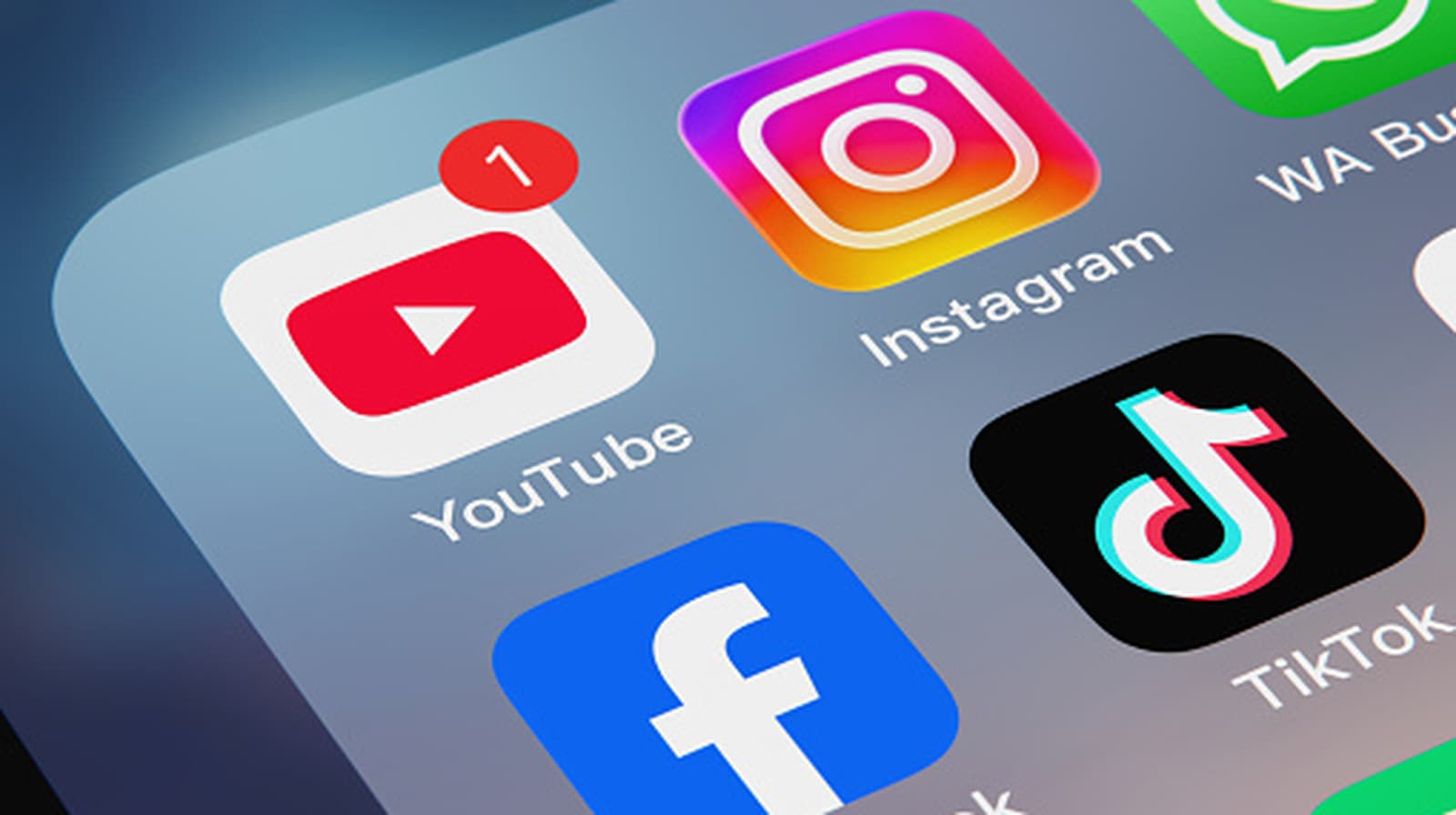
YouTube has begun rolling out direct messaging capabilities to users in the US, marking a significant step in the platform's evolution beyond video sharing. The feature, currently in testing, allows mobile app users to send private messages to one another, adding a social layer to the world's largest video site.
A New Layer of Interaction
The direct messaging feature aims to keep conversations within YouTube rather than pushing users to other apps. Currently, viewers can comment publicly or share videos via external messaging services. With in-app DMs, YouTube hopes to increase engagement and time spent on the platform.
Why This Matters
This move positions YouTube as a more direct rival to established social messaging ecosystems. Platforms like Instagram and TikTok already rely on private chats to drive daily active usage and community stickiness. For YouTube, DMs represent a strategic shift from passive content consumption toward interactive communication. The change also raises questions about user privacy, data handling and moderation. If widely adopted, direct messaging could reshape how creators and audiences connect, potentially opening new revenue streams through exclusive or paid messaging features. The impact will depend on user adoption and how YouTube manages trust and safety in private exchanges.
Competition and Platform Dynamics
YouTube's expansion into messaging is part of a broader trend where video platforms add social features to retain users. Competitors like Twitch and TikTok have long offered direct chat capabilities. By introducing DMs, YouTube aims to reduce the friction of users leaving the app to communicate elsewhere. The feature also aligns with Google's broader push to integrate services like Google Chat and Messages. However, the US market is crowded with messaging apps, and YouTube must differentiate its offering to gain traction. The test phase will likely inform how aggressively YouTube scales the feature and what moderation tools it deploys.