Senior Editor: Alan Agbele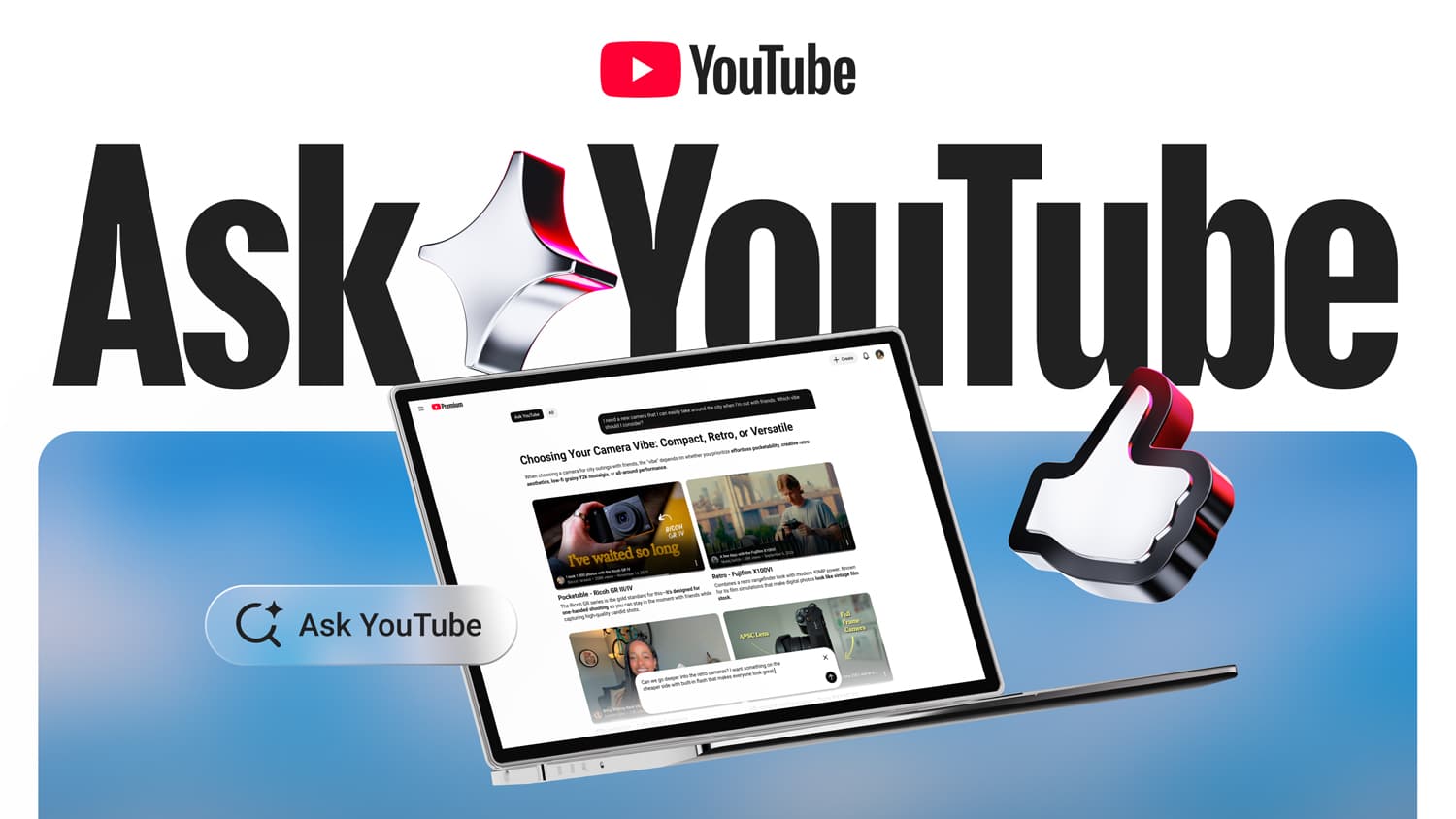
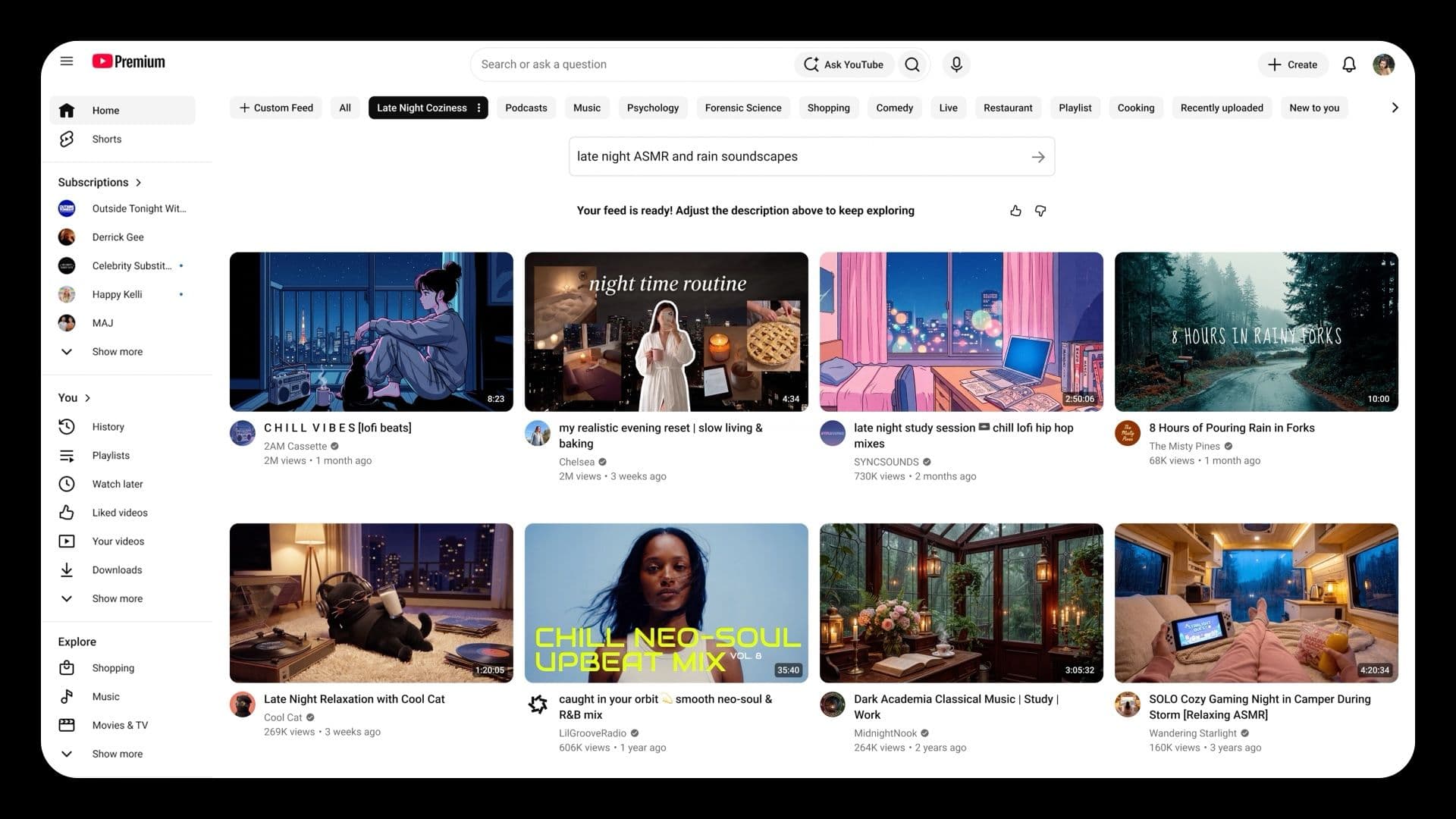
YouTube is rolling out an expanded set of AI-powered search features that bring the platform closer to Google's search capabilities, a shift that could fundamentally alter how users discover video content. The update introduces conversational query understanding and contextual result ranking, moving beyond traditional keyword matching.
AI Search Gets Smarter on YouTube
The new search capabilities allow YouTube to process natural language queries and surface relevant video moments rather than just complete clips. Users can ask questions about specific topics and receive results that include timestamps to relevant sections within longer videos.
These features build on YouTube's existing AI investments, including its recommendation algorithms and content moderation systems. The expanded search tools analyze spoken dialogue, captions and metadata to match queries with specific video segments.
Why This Matters
The expansion of AI search on YouTube represents a direct challenge to Google's longstanding dominance in search technology. For users, the change means less time scrolling through irrelevant results and faster access to the specific information they need. Content creators, however, face a new optimization challenge as their visibility depends increasingly on how well AI systems parse their video content. The shift signals that video search is becoming as sophisticated as text based search, raising questions about how both platforms will differentiate their offerings going forward.
What It Means for Creators
YouTube creators must now consider how their content is structured for AI consumption. Clear spoken dialogue, descriptive chapter markers and accurate captions will become more important for search visibility. Videos without these elements may struggle to appear in AI driven search results, even if their content is relevant.
The platform's AI search also prioritizes content that answers specific questions directly. Creators who produce tutorial style or explanatory content could see increased traffic as the system highlights their videos for relevant queries.
The Bigger AI Search Picture
YouTube's move reflects a broader industry trend toward AI powered search across major platforms. Google has already integrated its Gemini AI model into search results, while TikTok and Instagram have introduced their own AI discovery features. The competition is forcing each platform to develop unique approaches to content retrieval.
YouTube's advantage lies in its massive library of spoken and visual content, which provides rich data for AI training. Its challenge is making that content searchable at a granular level without overwhelming users with too many options. The expanded AI search tools represent YouTube's attempt to solve that problem while keeping users inside its ecosystem rather than turning to Google for discovery.