Senior Editor: Alan Agbele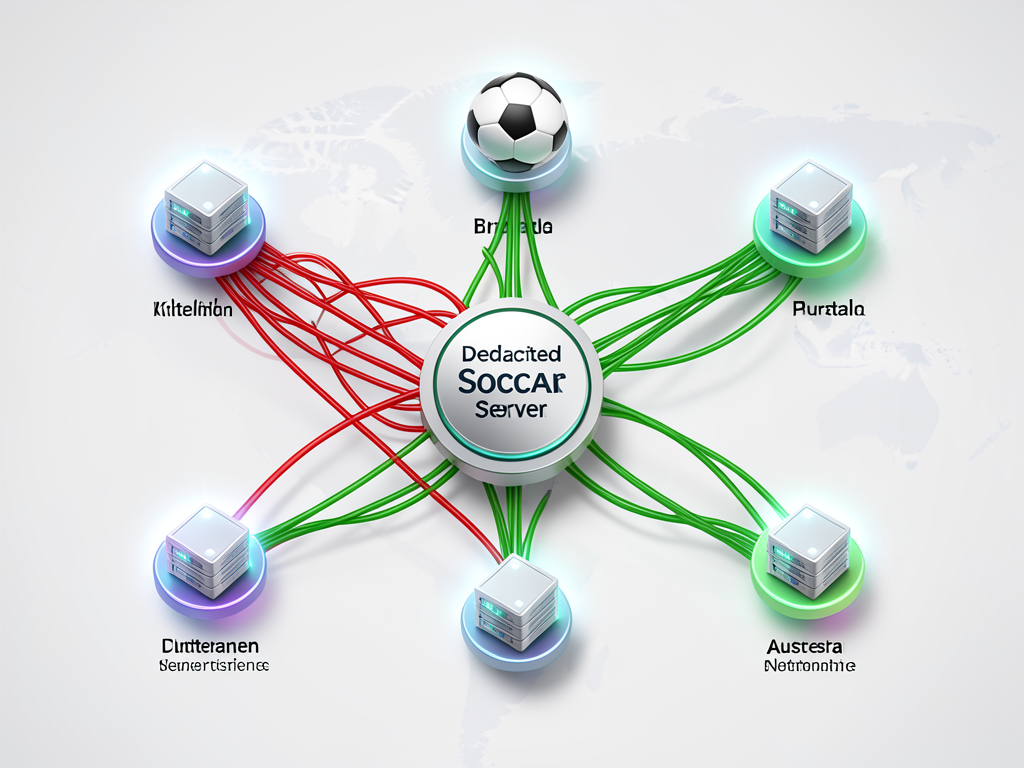
X-VPN has introduced a dedicated server line designed specifically for streaming World Cup matches, aiming to cut through the congestion that typically hits live sporting events. The Soccer 2026 servers offer a targeted alternative to generic country lists, connecting viewers to locations tied to regional broadcasters.
The servers cover six countries: the United Kingdom, Ireland, Brazil, Austria, Poland and the Netherlands. The selection is based on language preferences and the availability of free streaming platforms. In the UK, for example, users can access BBC iPlayer and ITVX through the dedicated server.
How the Soccer Servers Work
Instead of a broad map of servers, X-VPN has grouped its infrastructure around the World Cup tournament. The dedicated line is intended to be faster to navigate and more stable under load. The company says the servers are optimized for real-time video, focusing on speed, stability and avoiding overcrowded connections.
Initial support is available for iOS, Windows, macOS and Android. Support for Apple TV and Android TV is planned but not yet live. That distinction matters because many viewers watch on living-room devices rather than phones or laptops.
Why This Matters
Live sports streaming is notoriously difficult. Real-time feeds consume bandwidth, and any lag can spoil the experience. During a global event like the World Cup, millions of users connect simultaneously, overwhelming standard VPN servers. The dedicated Soccer 2026 line is a direct response to that congestion problem.
For viewers traveling or facing regional blackouts, a VPN can unlock free streams from broadcasters in other countries. The new servers simplify that process by pointing users to locations already linked to free coverage. This approach reduces search time and improves connection quality during peak hours.
The 2026 World Cup runs from June 11 to July 19, featuring 104 matches with a 48-team format. That schedule means heavy demand across multiple time zones.
Streaming Optimization and Practical Limits
A dedicated server line helps, but it does not eliminate all bottlenecks. Local network conditions in stadiums, hotels or fan parks remain the primary limiting factor for most users. Even with optimized VPN servers, a congested Wi-Fi network will still degrade stream quality.
The key advantage of event-specific servers is load balancing. By grouping resources around a single tournament, providers can allocate bandwidth more efficiently. That improves stability for viewers who would otherwise compete for connections on generic servers.
X-VPN is not the first provider to launch event-specific servers, but the move highlights a growing trend: VPNs are increasingly tailoring their infrastructure around live sports. As streaming rights become more fragmented and blackouts more common, such specialization could become standard practice.