Senior Editor: Alan Agbele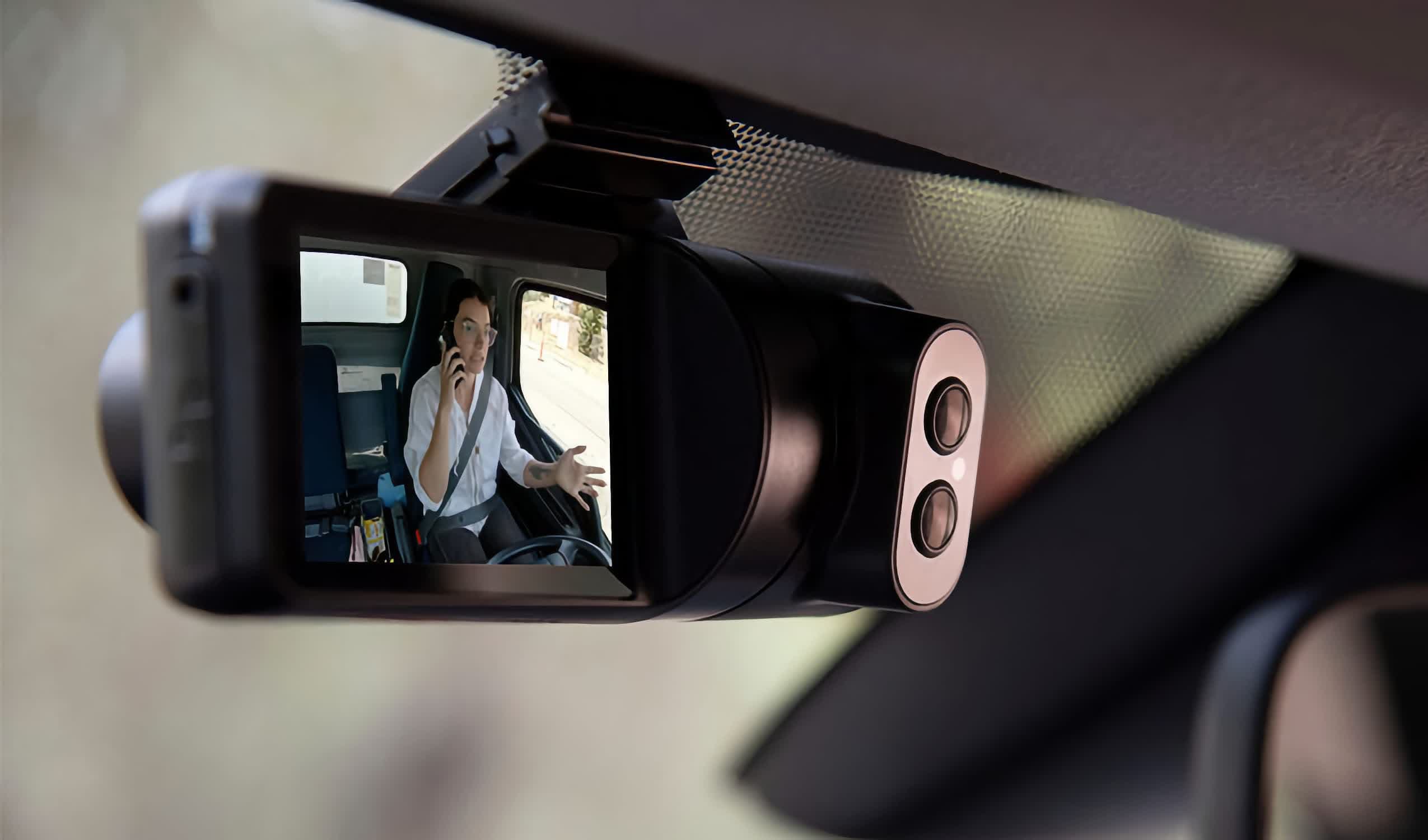
A woman’s discovery of an AI-powered camera inside her Audi rental car has exposed growing tensions between driver-monitoring technology and consumer privacy. The camera, concealed in the dashboard, recorded her every move and delivered verbal warnings about seatbelt use and unsafe driving.
The Incident
On social media, the woman shared video footage showing a small camera lens embedded in the dashboard of her Audi rental car. The camera was part of a system that used AI to analyze her behavior. When she drove without a seatbelt or engaged in distracted driving, the car verbally warned her. She stated she was never informed about the camera when she picked up the vehicle.
The post went viral, drawing attention from both privacy advocates and automotive tech watchers. Audi acknowledged the system exists in some models but noted that rental companies control disclosure policies. The woman said she felt deceived and questioned where the recorded data would be stored or shared.
Privacy and Consent Questions
Driver monitoring cameras are not new in luxury vehicles, but their deployment in rental fleets introduces unique privacy risks. Unlike a personal car owner who signs a data agreement, a rental customer may have no clear understanding of what is being recorded.
Privacy experts compare this to the controversy around smart home devices that record audio without clear consent. The key difference here is that the renter is a temporary user with no ongoing relationship with the vehicle owner, making informed consent harder to achieve.
Why This Matters
This incident signals a broader shift in the rental car industry toward constant driver surveillance. As AI cameras become standard equipment, consumer trust in rental companies could erode. The woman’s experience puts pressure on both automakers and rental firms to adopt transparent data policies. Without regulatory action, renters may have no choice but to accept surveillance as a condition of using a vehicle. The future of rental transportation may depend on balancing safety benefits with the fundamental right to privacy.