Senior Editor: Alan Agbele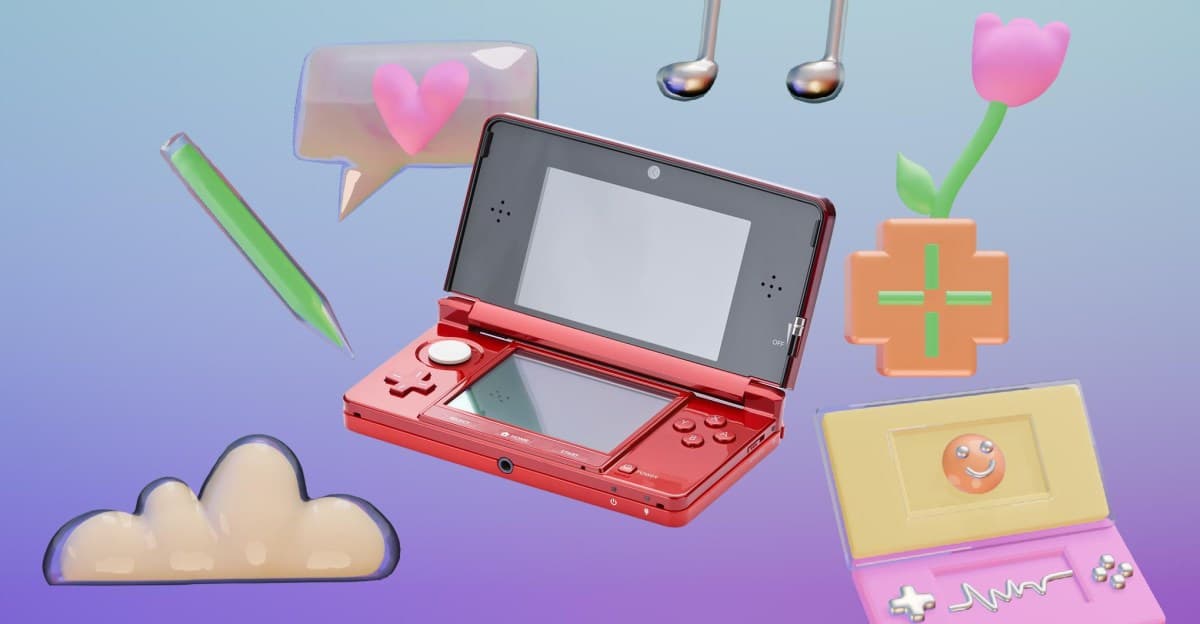
Travelers looking for a portable gaming device are increasingly turning to an unlikely candidate: the Nintendo DS. Released in 2004, the dual-screen handheld is finding new relevance among those who prioritize durability, battery life and a distraction-free experience over the raw power of modern devices like the Steam Deck or Nintendo Switch.
The DS Advantage
The Nintendo DS offers several practical advantages for travel. Its clamshell design protects the screens when closed, making it resilient in a packed bag. The device delivers 10 to 15 hours of battery life on a single charge, far exceeding most modern handhelds. Its library spans thousands of titles, from classics like "New Super Mario Bros." to hidden gems that can be picked up secondhand for a few dollars. And if lost or damaged, a replacement DS costs a fraction of what a Steam Deck or Switch would set you back. The lack of online connectivity also means no temptation to check emails or social media during a getaway.
Why This Matters
The resurgence of the Nintendo DS reflects a broader trend in consumer electronics: a desire for simpler, more durable devices that serve a single purpose well. For travelers, the DS provides a focused gaming experience free from notifications, updates and online distractions. This stands in contrast to the multipurpose nature of smartphones or the complexity of handheld PCs. The retro gaming market has boomed in recent years, with prices for used DS units stabilizing as collectors and practical users alike seek them out. This trend signals that not every travel gadget needs to be cutting-edge. Sometimes the best tool is one that is proven, affordable and replaceable. For families, buying a used DS for each child can be a cost-effective way to keep them entertained without the fear of breaking an expensive device.
A Budget-Friendly Travel Essential
The Nintendo DS sold over 154 million units worldwide, making it one of the best-selling game devices of all time. Its successor, the 3DS, also remains popular among travelers. But the original DS holds a special place due to its affordability and the sheer volume of available games. The secondary market for DS consoles and games is robust, with many travelers picking up a used unit specifically for trips. This behavior mirrors the renewed interest in other retro hardware like the Game Boy Advance and the Analogue Pocket, though the DS offers the added advantage of a backlit screen and a broader game library. For budget-conscious travelers, a used DS can be found for under $50, making it a low-risk investment compared to a $500 handheld PC.
While modern handhelds push graphical boundaries, the Nintendo DS proves that longevity and simplicity have their own appeal. For the traveler, it remains a practical choice that combines nostalgia with genuine utility.