Senior Editor: Alan Agbele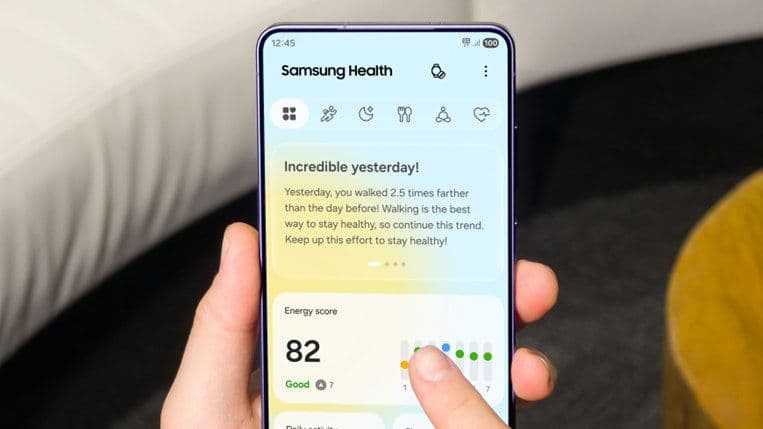
In an exclusive interview at Samsung Galaxy Unpacked, Samsung executives detailed why Samsung has gone all-in on AI health. The company wants to keep users away from doctors by catching health issues early through Samsung Health and the Samsung Galaxy Watch. However, a growing trust gap threatens to slow adoption.
The AI Health Vision at Galaxy Unpacked
During the July 22 event, Samsung showcased how artificial intelligence is woven into its health ecosystem. The Samsung Galaxy Watch can now analyze sleep patterns and heart data to flag potential problems before they become serious. Samsung Health aggregates this information and uses AI to offer personalized recommendations. The goal, according to Samsung executives, is to reduce the need for frequent doctor visits by empowering users with actionable insights.
Google is pursuing a similar path with its revamped Google Health app and the new Google Health Coach, a chatbot that provides health guidance. And trust remains the central challenge for both companies. Users are increasingly wary of letting AI access sensitive health records, especially after high-profile data misuse incidents.
Building Trust Through Transparency
Samsung executives stressed that user control is the foundation of their strategy. During the Health Forum at Unpacked, Rohit Ali of Samsung R&D said, "Data belongs to the user, and we are just custodians." The company has implemented clear opt-in toggles for AI training, and all features remain usable without sharing data. But the trade-off is clear: opting out means missing deeper health insights.
Despite these measures, a recent false rumor that Samsung would delete accounts without AI consent revealed how fragile user trust is. Samsung quickly denied the claim, but the incident highlighted the deep skepticism surrounding health AI.
Why This Matters
The outcome of Samsung's AI health bet will affect millions of users who rely on smartwatches for fitness and wellness. If trust erodes, adoption of preventative health monitoring could stall, delaying the shift toward proactive care. Conversely, if Samsung and Google succeed in proving their data safeguards, they could set a new standard for the industry. Regulators and privacy advocates will watch closely as these tools become more intertwined with daily health decisions. The real question is whether users will believe that the benefits of AI health outweigh the risks to their personal data.