Editor: Porcia Akua Holmes
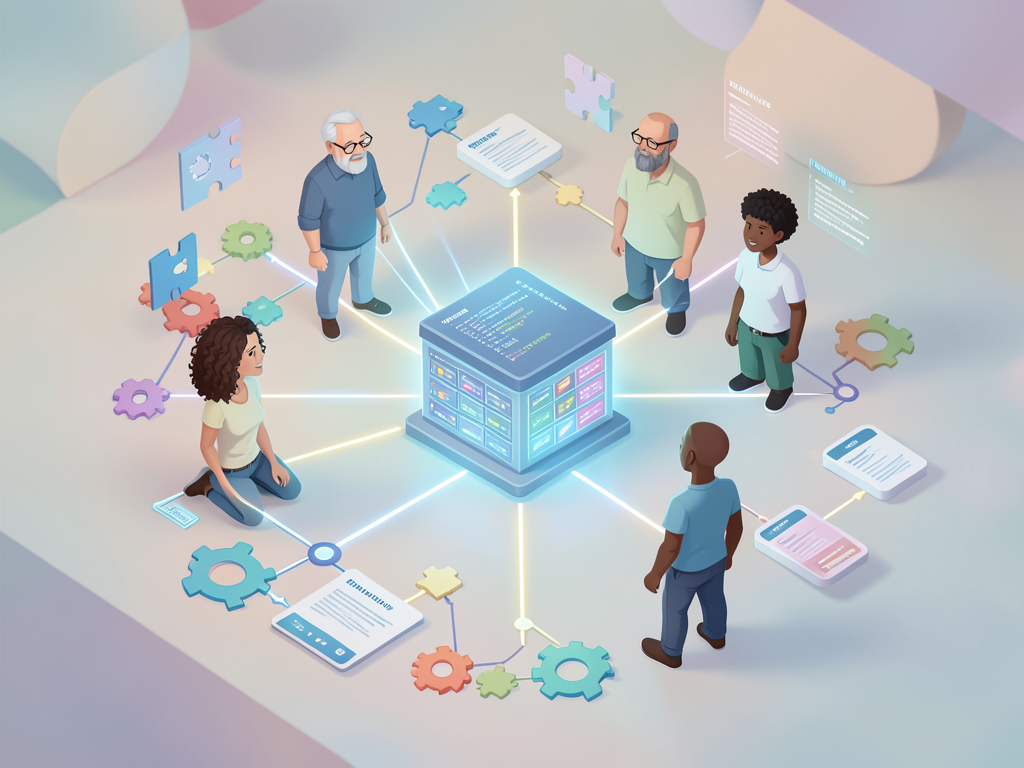
The most important line of code in any software project may be the one that invites someone else to contribute. Communities around software are not a marketing add-on or a support channel. They are the mechanism that decides which tools survive, which get abandoned and which become standards.
The Shift From Product to Participation
Software has moved from a model where a vendor shipped a finished product to one where the product is a starting point. Users expect to modify, extend and repair the tools they depend on. That expectation turns every successful project into a small society with its own norms, rituals and conflicts.
The shift is visible across the stack. Open-source libraries, developer tools and even consumer apps now compete on the quality of their ecosystems as much as on their features. A tool with an active community can absorb new use cases faster than a closed competitor with a larger engineering budget.
What Healthy Communities Actually Produce
Communities generate assets that are difficult to buy. They write tutorials for edge cases the core team never considered. They maintain plugins that extend a tool into adjacent markets. They provide the first line of support, often within minutes.
These contributions compound. A project with a strong community becomes more useful to each new user, which attracts more users and more contributors. The loop is not automatic, however. It requires deliberate care from maintainers.
The Fragility Behind the Surface
Communities are easy to break. A single controversial decision about governance, licensing or conduct can split a project overnight. Maintainer burnout is another persistent risk. Many critical projects are sustained by a handful of unpaid volunteers who receive little recognition until something fails.
The commercial pressure is real as well. When a company acquires a popular open-source project, users often worry that the community's interests will be subordinated to a roadmap designed for paying customers. Those fears can trigger forks, which fragment the contributor base and dilute the project's momentum.
Why This Matters
The health of a software community now directly affects the risk profile of the organizations that depend on it. A company that adopts a tool without assessing its community is taking on hidden operational risk. If the maintainers disappear, the company inherits the maintenance burden or faces a costly migration.
This changes how technology leaders should evaluate vendors and open-source projects. Community signals such as contributor diversity, response times and governance transparency belong in procurement decisions alongside features and price. The organizations that treat communities as infrastructure will be better positioned to avoid sudden disruptions and to influence the direction of the tools they rely on.
What the Next Phase Looks Like
The next phase of software competition will be fought over participation. Projects that make it easy for newcomers to contribute, that share decision-making power and that reward maintenance work will attract the talent that keeps them alive. Projects that treat users as an audience rather than as collaborators will find themselves isolated when the original team moves on.
For developers, the practical takeaway is to look at the community before committing to a stack. For companies, the lesson is that community health is a leading indicator of long-term stability. Software is no longer just code. It is the people who keep it running.