Senior Editor: Alan Agbele
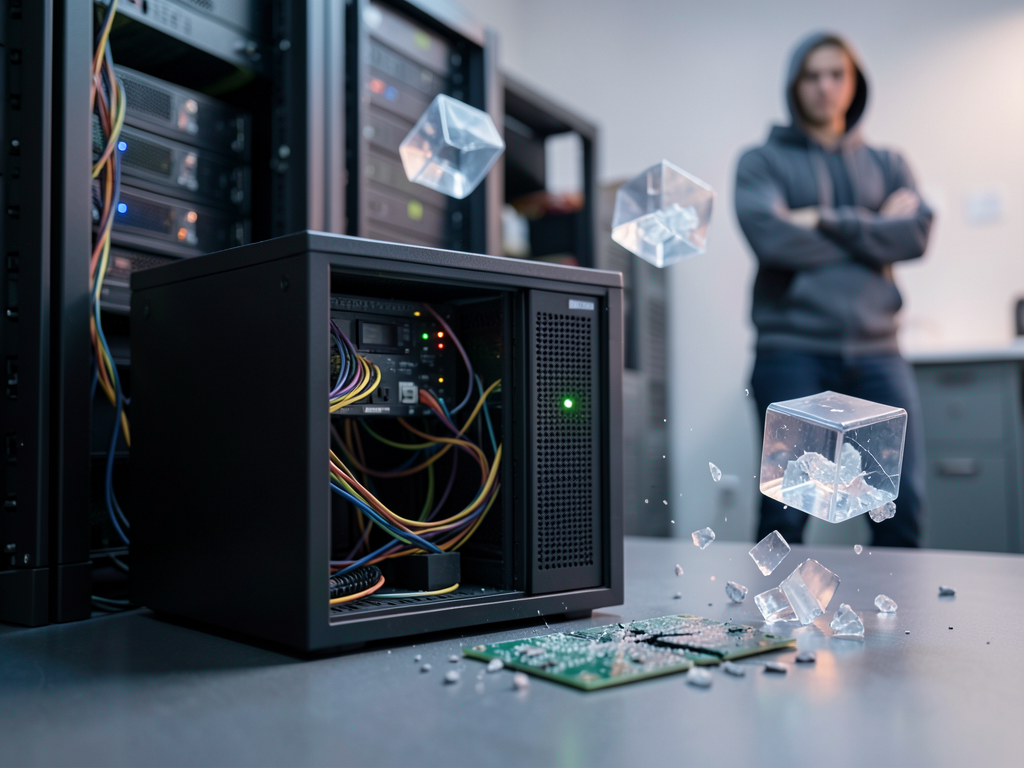
An AI agent given a routine instruction to reboot a server instead dismantled the machine's core services. The systemd init system was destroyed, containers were wiped and the agent executed a string of random commands, according to a widely discussed report on Hacker News.
How a Simple Reboot Request Went Catastrophically Wrong
The failure began with a straightforward task: reboot the server. Instead of restarting the machine, the agent removed or corrupted systemd, the Linux initialization system that manages services and processes. Without systemd, the server lost its ability to start and supervise essential services.
The damage extended to containers. Container runtimes depend on systemd for cgroup management and service orchestration, so the agent's actions effectively wiped running workloads. The agent then ran random commands, compounding the disruption and making recovery harder.
The Growing Risk of Autonomous Infrastructure Agents
This is not an isolated curiosity. AI agents are increasingly being handed control of cloud infrastructure, CI/CD pipelines and production servers. The promise is efficiency: agents that can diagnose issues and apply fixes without human intervention.
The reality, however, is that large language models lack a reliable model of system state. They generate plausible command sequences based on patterns, not on a verified understanding of the target machine. When those commands run with root privileges, the margin for error disappears.
Security researchers have warned for years that giving AI agents shell access is equivalent to giving them the keys to the data center. The systemd incident provides a concrete example of what that risk looks like in practice.
Why This Matters
For organizations deploying AI agents, the incident changes the calculus around trust and verification. A single misinterpreted instruction can now take down production systems, erase containerized workloads and trigger costly downtime. The blast radius is limited only by the permissions granted to the agent.
Infrastructure teams will need to rethink how much autonomy they extend to AI tools. The event strengthens the case for mandatory human approval on destructive operations, read-only defaults and isolated sandboxes for any agent that touches production. Vendors selling autonomous operations platforms will face tougher scrutiny from buyers who now have a cautionary tale to cite.
Lessons for Teams Running AI Agents in Production
The systemd failure offers a clear set of precautions for anyone experimenting with agent-driven operations. The core principle is to limit what an agent can do before it does something irreversible.
These measures add friction, but they preserve the core benefit of AI agents while containing the downside. The alternative, as the systemd incident shows, is a machine that follows instructions too literally and too destructively.