Editor: Porcia Akua Holmes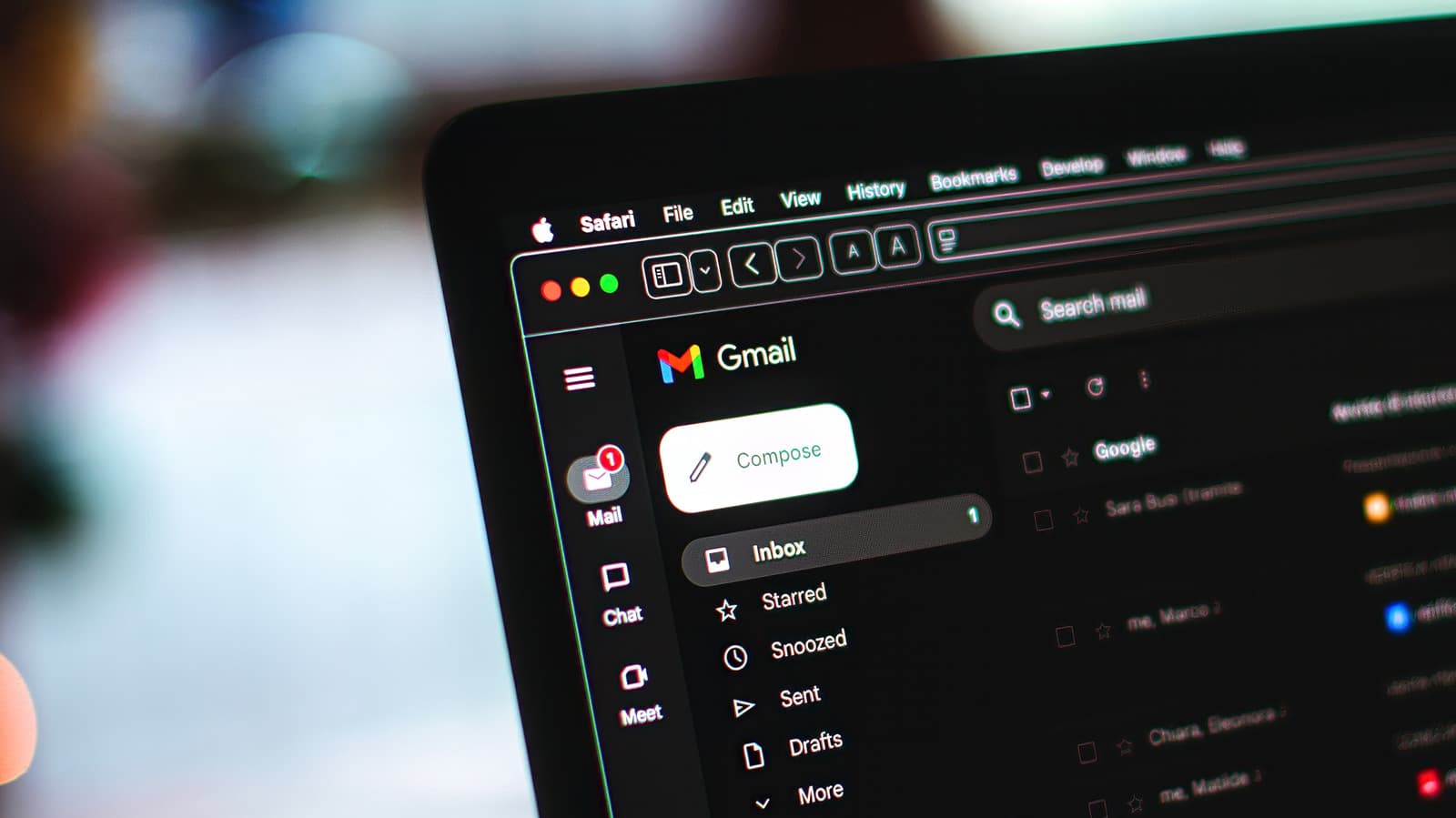
The dominance of Gmail in the email market is facing its most serious challenge in years. A rising number of providers now offer encrypted email services that prioritize privacy over convenience, drawing users who no longer trust traditional free platforms with their correspondence.
The Privacy Push Behind the Shift
Users are abandoning Gmail not because of its features but because of its business model. Google scans email content to serve targeted ads and build user profiles. That practice has become unacceptable to a growing segment of privacy-conscious consumers. Regulatory changes like the GDPR have also raised awareness about data rights, accelerating the search for alternatives.
Encrypted email providers operate on a different foundation. They use end-to-end encryption so that messages remain readable only to the sender and recipient. Even the service provider cannot access the content. This zero-access architecture is the key differentiator from mainstream services.
What Private Email Services Offer
Modern encrypted email platforms have matured significantly. Many now include calendars, contact management and mobile apps. The core capabilities that define this category include:
These features address the primary reason people leave Gmail: the loss of control over personal data. But switching requires accepting certain limitations. Encrypted services cannot perform the same level of server-side spam filtering because they cannot read message content. Users may need to train local filters or rely on basic rules.
Why This Matters
The shift toward private email services represents a broader change in how consumers value digital privacy. For years, convenience trumped security. That calculus is reversing. The practical consequence is that major providers like Google must adapt or risk losing a meaningful share of the market to smaller, more secure competitors.
For individuals, the move means greater protection against data breaches, government surveillance and corporate exploitation. For the industry, it signals that encryption is no longer a niche feature but a baseline expectation. The long-term effect could be a redesign of email infrastructure itself, with privacy baked in from the start rather than added as an afterthought.
The Bottom Line
Email remains the backbone of digital communication. Choosing a private alternative to Gmail is not about rejecting technology but about demanding a different relationship with it. As more services become accessible to non-technical users, the barrier to switching continues to drop. The question is no longer whether encrypted email works but whether the rest of the industry can keep pace with user expectations.