Editor: Porcia Akua Holmes
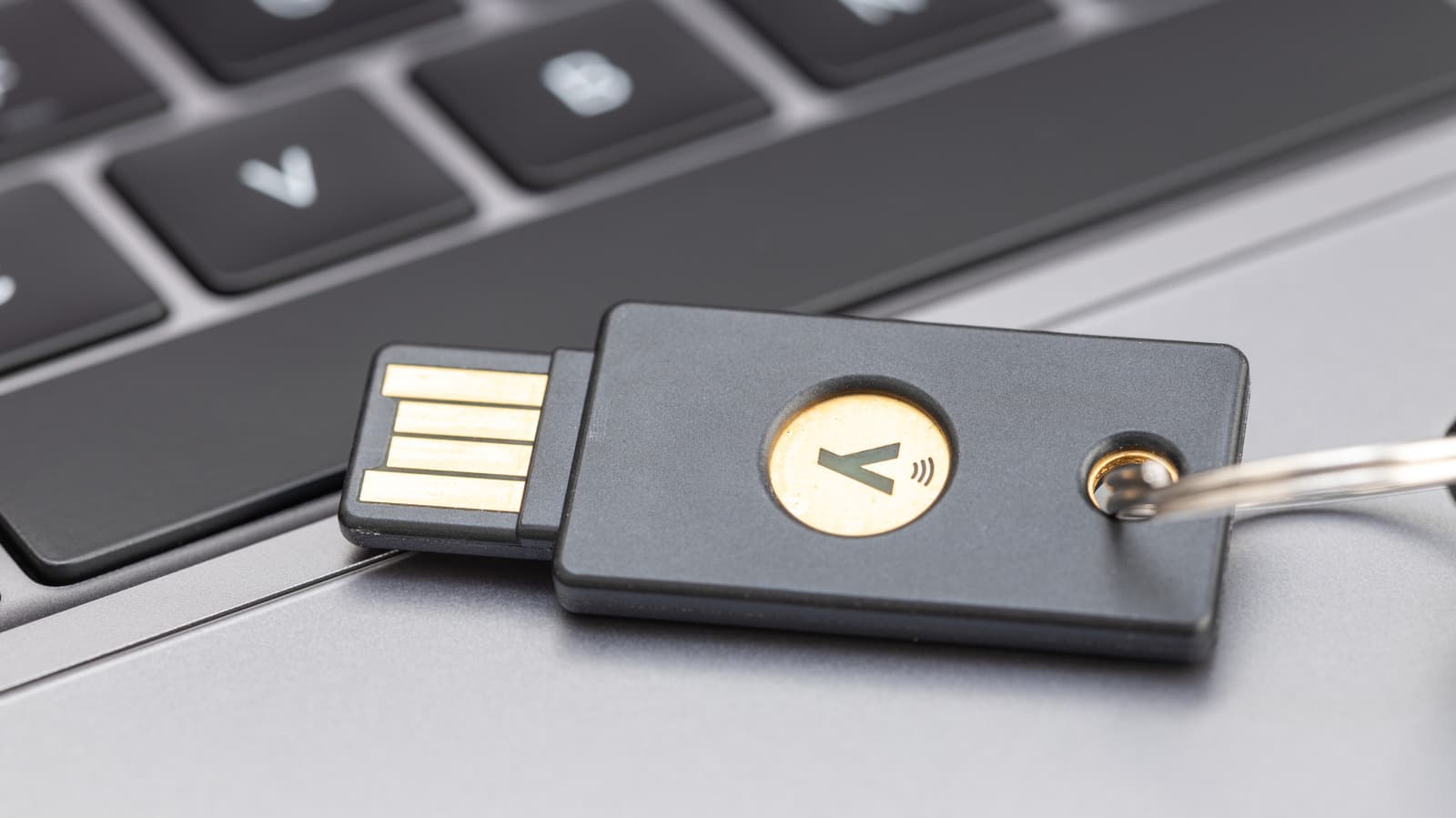
AI is now a primary engine behind global cyberattacks, forcing companies and governments to rethink their security postures. For individuals, the question is whether a physical hardware security key is a necessary upgrade or an overpriced gadget.
The Mechanics of Hardware-Backed Authentication
A hardware security key is a small USB or NFC device that stores a private cryptographic key. When you log in, the key signs a challenge from the server, proving your identity without ever transmitting a reusable secret.
This process, known as FIDO2 or WebAuthn, eliminates the risk of phishing because the key only works with the legitimate website it was registered with. Even if an attacker tricks you into entering your password on a fake site, the key will not respond.
Major platforms including Google, Microsoft and Apple now support hardware keys for account protection. The technology has moved from niche enterprise tool to consumer-accessible option.
Why AI Changes the Threat Calculus
AI has lowered the barrier for launching sophisticated attacks. Automated phishing kits can now generate convincing emails at scale, and AI-driven tools can mimic voices or writing styles to bypass human suspicion.
Traditional two-factor authentication via SMS is particularly vulnerable. SIM-swapping attacks, where criminals hijack your phone number, have become more common and are often powered by AI-assisted social engineering.
Hardware keys, however, are not connected to phone numbers or cellular networks. They operate on a zero-trust model that assumes the network is already compromised.
Who Benefits Most From a Physical Key
Not everyone needs a hardware key. But for certain users, the added security is not optional.
For casual users with low-value accounts, a password manager and app-based 2FA may suffice. The key becomes essential when the cost of a breach outweighs the price of the device.
Why This Matters
The shift toward hardware-backed authentication signals a broader move away from passwords altogether. As AI makes credential theft easier, the industry is converging on physical tokens as the new baseline for trust.
Companies that fail to adopt hardware key support may soon be seen as negligent, especially in regulated sectors like finance and healthcare. For individuals, the decision to buy a key is a bet on personal security in an era where digital identity is increasingly valuable.
The real impact will be felt in how insurers, employers and service providers evaluate risk. Expect to see more mandatory hardware key policies for remote access and high-value transactions within the next two years.