Editor: Porcia Akua Holmes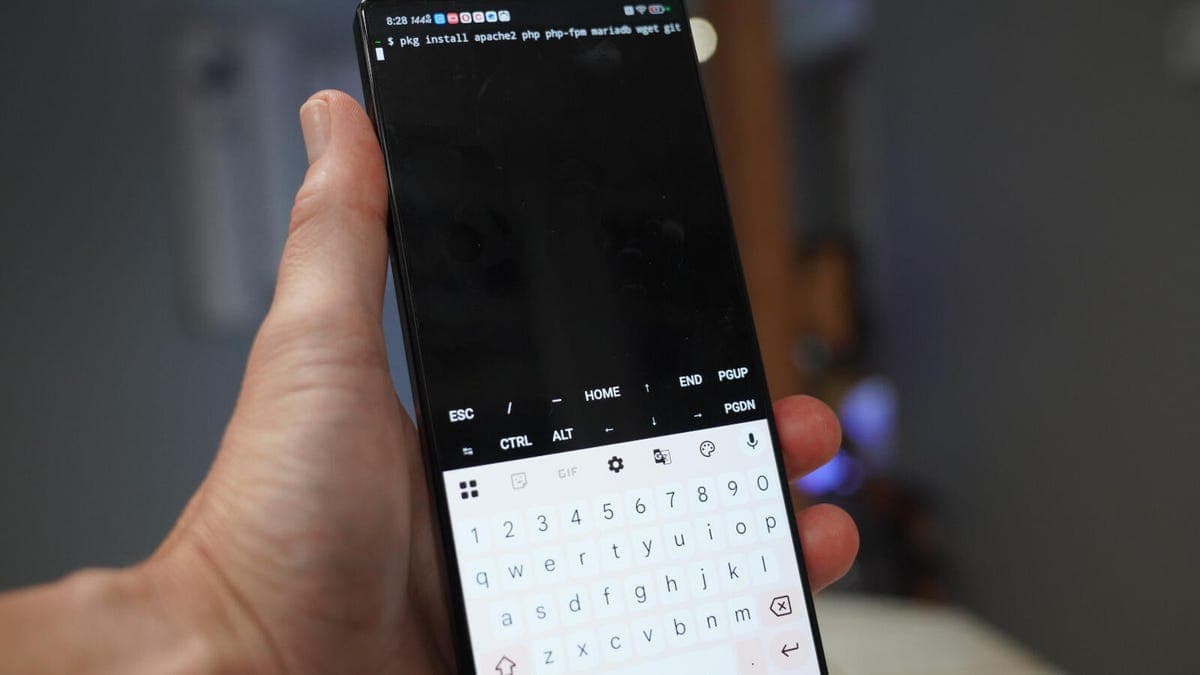
A growing number of developers are giving old Android phones a second life by converting them into local area network servers for experiments and testing. The approach transforms a device that might otherwise collect dust into a functional development tool, lowering the barrier for server-side experimentation without requiring dedicated hardware or cloud subscriptions.
The Appeal of Repurposed Hardware
With smartphone cycles shortening, many households accumulate retired devices that still have capable processors and battery systems. Instead of discarding or recycling them, developers have discovered that Android phones can serve as lightweight servers for local testing. The device runs a stripped-down operating system with server software like Termux or Linux Deploy, turning the phone into a node that can handle HTTP requests, database queries, and small-scale automation tasks.
The primary advantage is cost. A used Android phone can be obtained for under $50, making it far cheaper than a Raspberry Pi or a mini PC for development purposes. It also offers built-in battery backup, Wi-Fi, and often a touchscreen interface for monitoring. For developers who need a low-stakes environment to test new ideas, the repurposed phone acts as a sandbox that can be reset or replaced without consequence.
Practical Benefits and Trade-Offs
Turning an Android device into a server involves trade-offs worth considering. The following points highlight the main advantages and limitations:
Battery longevity remains a concern. Running a server continuously can degrade the phone's battery over time. Some developers mitigate this by keeping the device plugged in, though that introduces its own risks around heat management. Still, for short-term experiments or isolated test environments, the trade-off is acceptable for many.
Why This Matters
This trend matters because it democratizes server access for developers who may not have the budget or need for full-scale infrastructure. As cloud costs rise and hardware shortages affect supply chains, repurposing existing devices offers a practical, eco-friendly alternative. It also encourages a mindset of resourcefulness among engineers: rather than buying new equipment for every test, they can experiment with what is already available.
The practice also aligns with the broader push toward sustainability in tech. Reducing electronic waste by extending the useful life of smartphones has environmental benefits beyond the immediate convenience. For developers, the approach provides a guilt-free sandbox where failure costs nothing and success can be scaled later.
Who Can Benefit Most
Hobbyists, students learning networking or backend development, and small teams prototyping internal tools will find the most value. The setup is also useful for running personal automation scripts, such as home surveillance recording or file sharing, that do not require high uptime or performance. Enterprise teams, however, should stick with dedicated servers or cloud instances for production workloads due to reliability and security concerns.