Senior Editor: Alan Agbele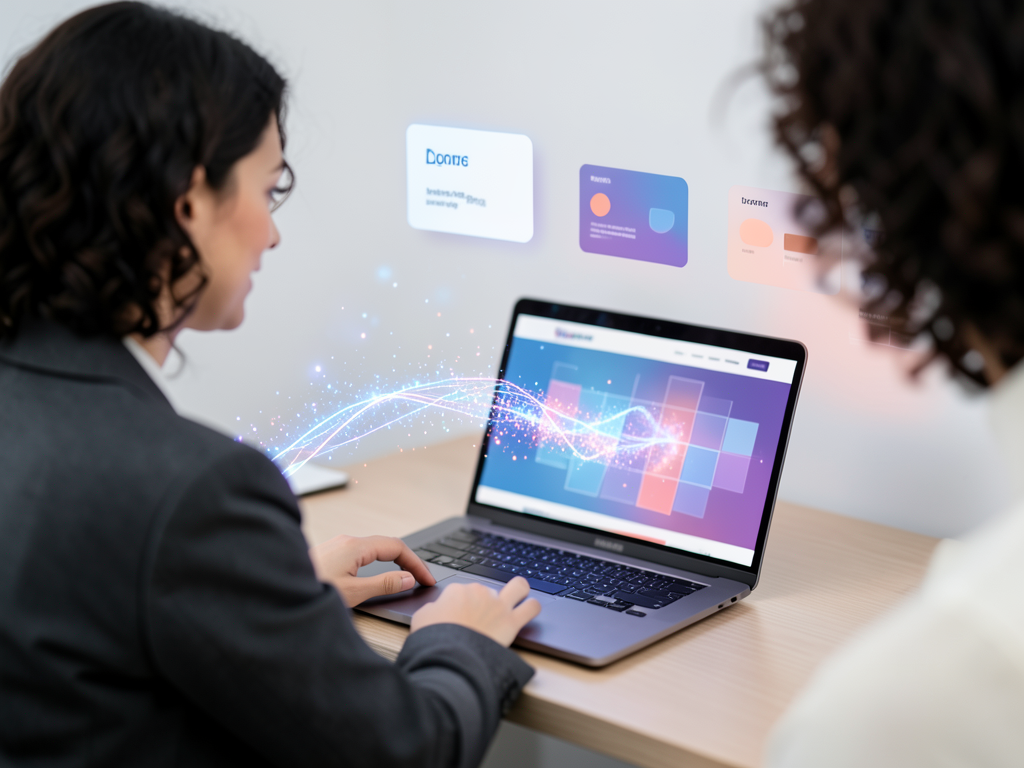
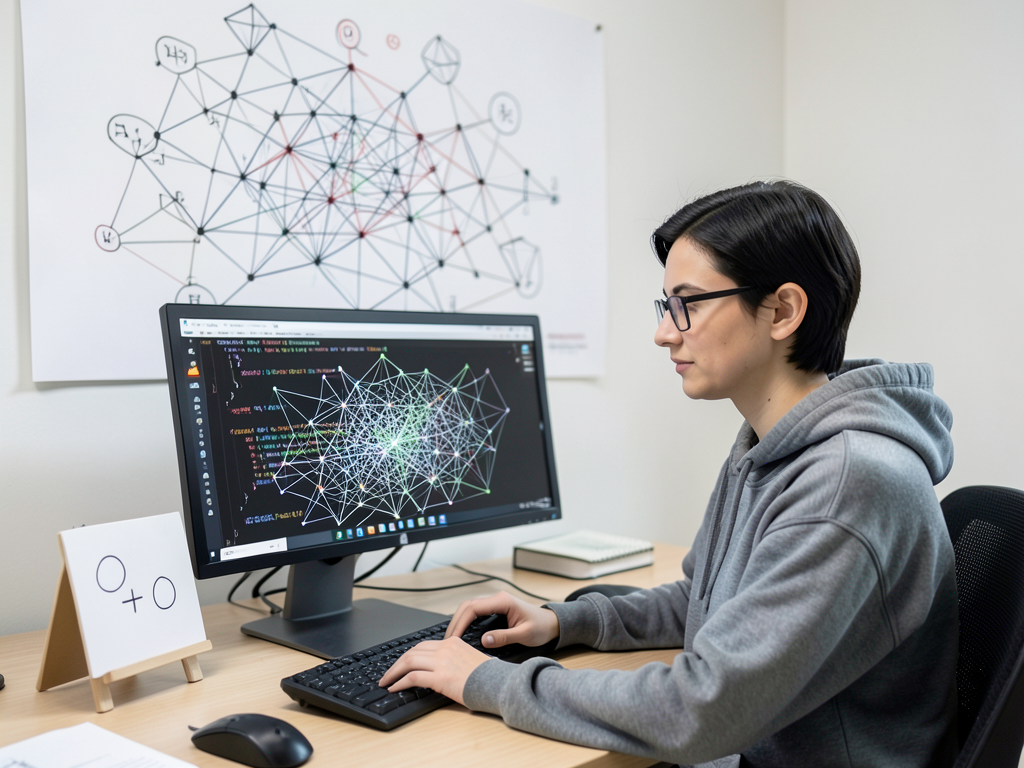
A recent discussion on Hacker News has spotlighted a striking experiment: a team used “vibe coding” to build a website that looks like it was crafted by a professional designer. The practice, which involves directing AI tools through natural language prompts rather than writing code line by line, is turning heads for its ability to produce polished, functional results with minimal manual effort.
The Rise of Vibe Coding
Vibe coding has emerged as a distinct workflow in the past year, driven by large language models that excel at generating front-end code. Users describe the desired look, layout and interactions in plain English, then iterate on the output through follow-up prompts. The term gained traction in developer communities as a playful yet descriptive label for this iterative, AI-led process.
The Hacker News post, which links to a site built entirely through vibe coding, shows a result that few would associate with automated generation. The design uses clean typography, balanced spacing and subtle animations, all achieved without writing a single line of JavaScript or CSS by hand.
Quality and Design in the Age of AI
What sets this experiment apart is the visual polish. Historically, AI-generated websites looked generic or had obvious glitches. The new generation of models has internalized design principles, including color theory, grid systems and responsive behavior.
The result is a productivity leap for small teams and solo founders. A website that once required days of design and coding can now be scaffolded in hours. This shift is reshaping expectations around speed and cost in web development.
Why This Matters
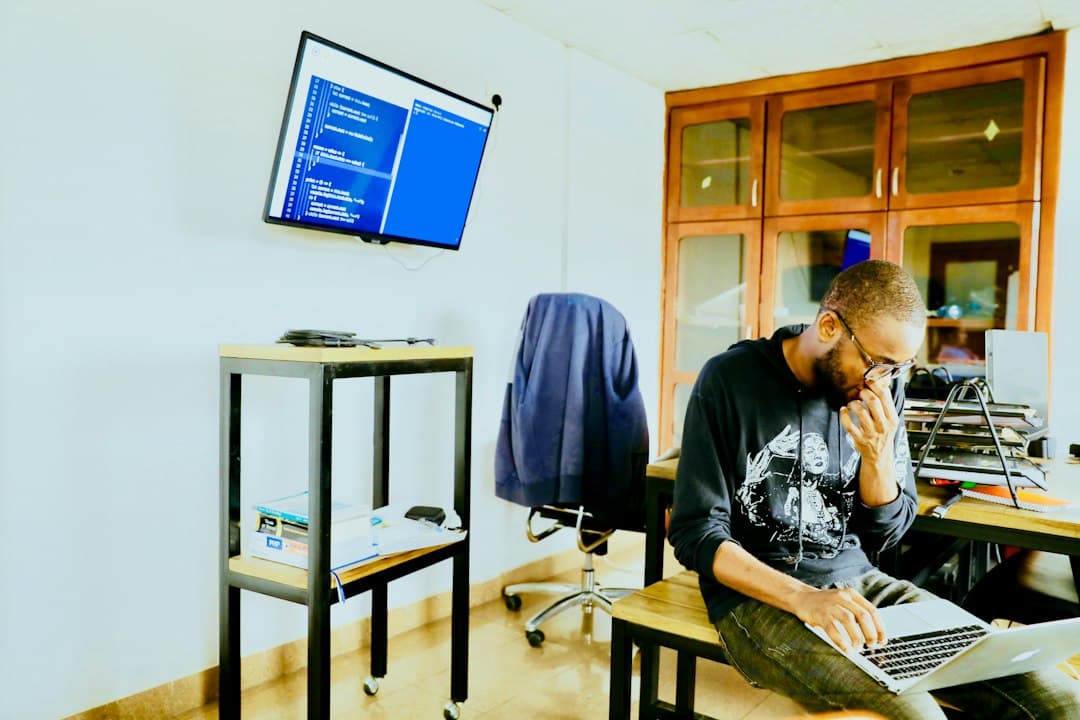
The implications extend beyond convenience. For professional designers and front-end developers, the rise of vibe coding signals a change in job responsibilities. Routine layout work may become commoditized, pushing specialists toward higher-level tasks like brand strategy, complex interactions and performance optimization.
At the same time, the barrier to entry for building a web presence has dropped dramatically. Non-technical founders can now create credible sites without hiring an agency, potentially disrupting the freelance economy. However, this also introduces risks: AI-generated code can harbor subtle bugs, security vulnerabilities or licensing issues that only experienced developers would catch.
From a business perspective, vibe coding could accelerate prototyping and reduce time to market. But it demands a new kind of oversight. Teams that adopt this workflow must invest in code review, testing and documentation to avoid technical debt.
What Comes Next
The Hacker News example is likely just the beginning. As models improve, we can expect even more sophisticated outputs, including full-stack applications and complex user interfaces. The conversation around vibe coding is shifting from “can AI do it?” to “when should humans step in?”
Developers who embrace this tool as a collaborator rather than a replacement will likely find themselves more productive. Designers, meanwhile, may need to pivot toward defining the creative vision that AI executes. The key is to treat vibe coding as a powerful starting point, not a final product.