Senior Editor: Alan Agbele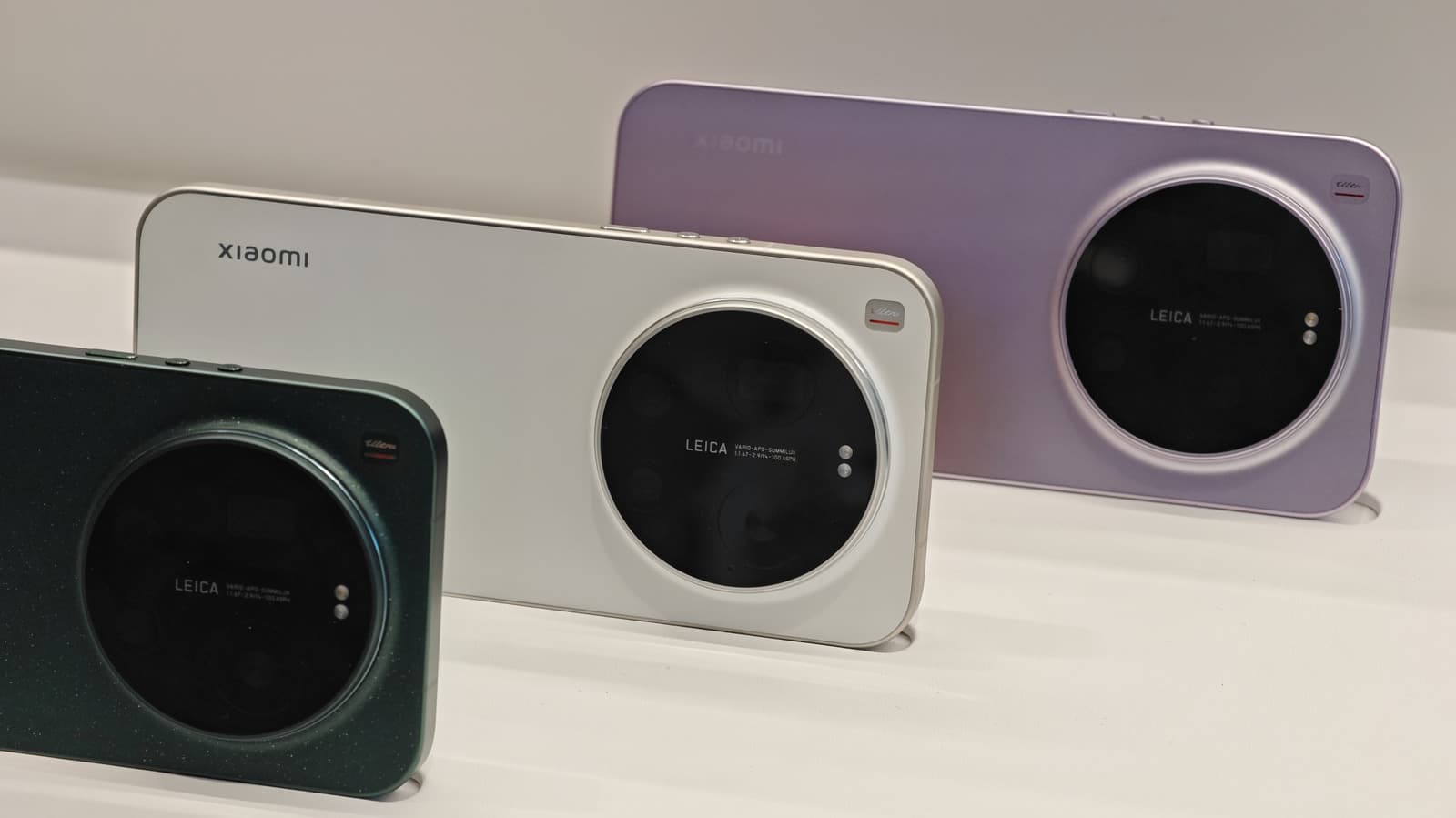
The question 'Why Are Phones So Much Cheaper In China?' has become a frequent topic among international shoppers after noticing massive price gaps. Flagship devices from Chinese brands often command prices 30% to 50% lower inside the country compared to overseas markets. The disparity is not accidental; it is the result of intense domestic competition, different tax structures and deliberate market segmentation.
How Chinese Brands Dominate Their Home Market
Brands like Xiaomi, Oppo and Honor fight for every percentage point of market share in China, a market where consumers are highly price sensitive. This domestic pressure forces margins to remain thin. In contrast, overseas pricing includes higher taxes, distributor markups and marketing costs that are not part of the domestic sales model.
The Hidden Costs of Importing a Chinese Phone
The apparent savings on a Chinese-market phone quickly shrink once a buyer accounts for the extras needed to make the device work outside China. Most Chinese phones run a modified Android interface without Google Play Services, requiring manual installation of apps. Cellular connectivity is another concern because Chinese variants often use different band configurations that may not support LTE or 5G in other regions.
Warranty coverage usually stops at the border. If a phone imported from China breaks, the buyer must ship it back at their own expense and pay for repairs. Import duties and shipping fees add another layer of cost that can erase half the initial savings.
Why This Matters
For global consumers, the price gap highlights how much of a smartphone's cost is shaped by local market dynamics rather than hardware manufacturing. The Chinese model shows that competition can drive prices down sharply. But for international buyers, the risks of lost warranty, missing software and incompatible networks make importing a gamble. The real impact may be on how major brands like Apple and Samsung set their global pricing strategies. If Chinese brands can deliver premium hardware at Chinese prices worldwide, the entire premium phone market could shift. For now, the savings are real but only fully available inside China.