Editor: Porcia Akua Holmes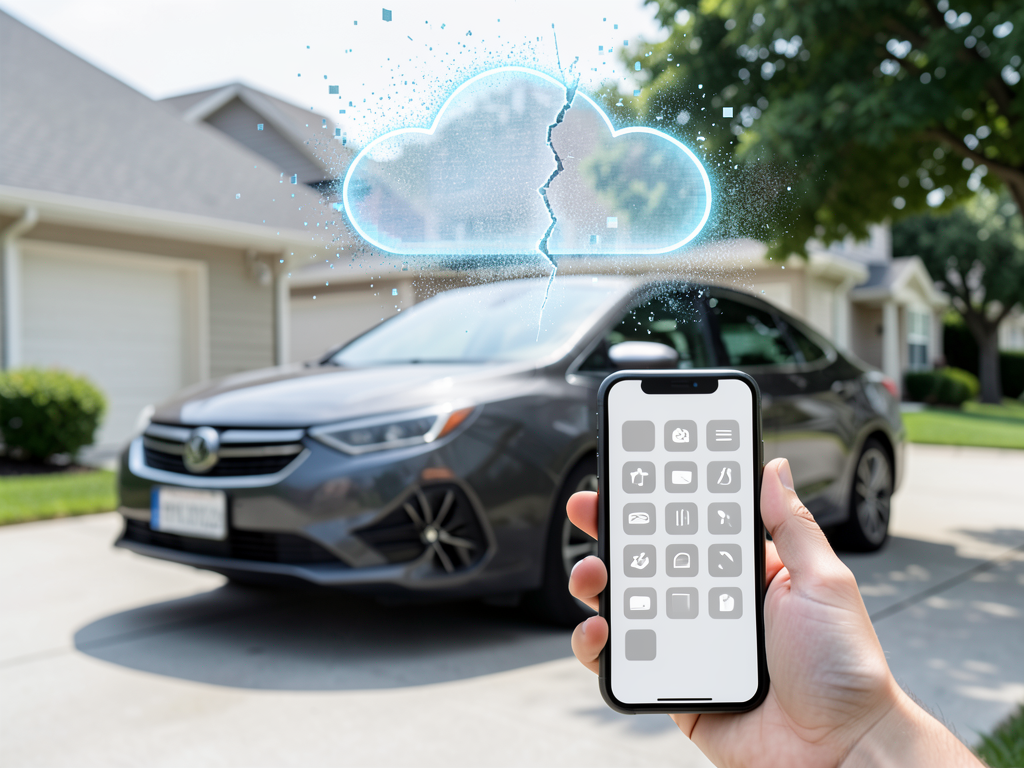
Millions of drivers rely on smartphone apps to cool their cars before entering, check door locks from across town or trigger automatic emergency calls after a crash. Those cloud-based conveniences, however, have a hidden expiration date that arrives long before the vehicle's engine gives out.
The Hidden Lifespan of Connected Cars
Automakers began embedding cellular modems and cloud back ends into vehicles during the 1990s, starting with General Motors' OnStar. Those early systems focused on voice calls and basic navigation. Today's connected cars rely on continuous data links to deliver a far wider range of services, from streaming media to predictive maintenance alerts.
The problem is that these services depend on proprietary server infrastructure, software licenses and cellular network compatibility. Automakers typically guarantee support for only a few years, often tied to warranty periods. After that, the cloud platform may be decommissioned or left unpatched, effectively killing the features.
Why Connected Features Can't Be Easily Replaced
Unlike a smartphone, a car cannot simply download a new app to replace a lost cloud service. The vehicle's telematics control unit is hardwired into the electrical system and often tied to proprietary firmware. Third-party alternatives rarely exist because automakers lock the data protocols and API access behind proprietary systems.
Some manufacturers offer subscription extensions, but these are limited in duration and may not cover the vehicle's full life. When the cloud platform is eventually retired, even paid subscribers lose service. The vehicle becomes a partial brick: mechanically functional but digitally crippled.
Industry observers point to parallels with smart home devices that stop working after the company goes bankrupt or discontinues the app. The same dynamic now applies to a much larger investment. A car that costs $40,000 can lose $10,000 of its perceived value in a few years solely due to cloud shutdown.
Why This Matters
For consumers, the financial impact is significant. A vehicle's resale value drops sharply when its connected features are gone, even if the drivetrain remains flawless. Buyers in the used car market increasingly check for active cloud services, and a dead modem can reduce a car's appeal by thousands of dollars.
For automakers, the issue creates a trust problem. When a brand kills its cloud platform years early, it signals that the company does not value long-term ownership. That perception can damage loyalty and depress future sales. Regulators in some regions are beginning to ask whether automakers should be required to support safety-critical cloud features for a minimum number of years or provide an open standard for continued operation.
The broader lesson is that purchasing a connected car means accepting a hidden lease on digital services. Owners must plan for the day the cloud goes dark, just as they plan for oil changes and tire replacements. Until industry standards emerge, the only sure way to preserve a vehicle's digital life is to buy cars with a proven record of long-term software support.