Senior Editor: Alan Agbele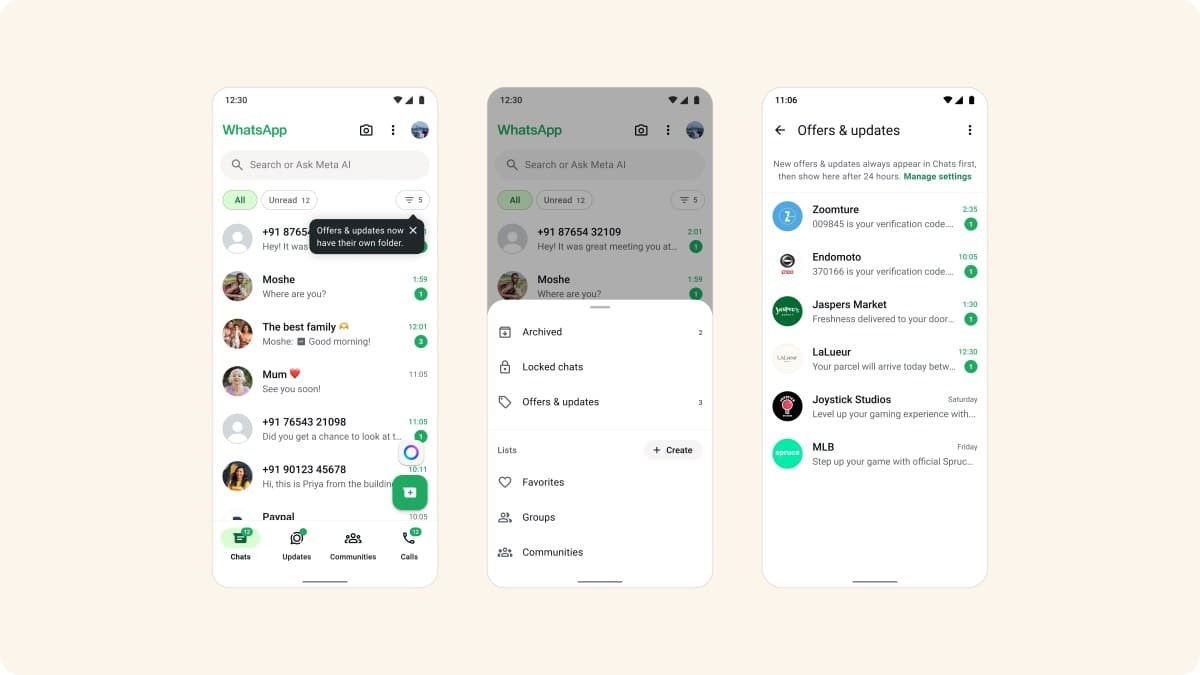
WhatsApp is testing a new feature that will automatically relocate messages from large businesses into a dedicated folder a few hours after delivery. The experimental tool aims to reduce clutter in personal inboxes while giving commercial communications a separate space.
How the Business Message Folder Works
According to early test reports, WhatsApp will automatically place messages originating from large business accounts into a new folder within the main chat list. The move occurs hours after the message arrives, so users will not see the message immediately in their primary inbox. The folder labeling and exact timing remain unconfirmed, but the intention is clear: WhatsApp wants to give users more control over which conversations demand immediate attention.
Implications for Users and Businesses
The change presents a trade-off. For everyday users, the auto-move reduces notification fatigue and keeps personal chats front and center. For businesses that rely on WhatsApp for customer engagement, the delayed placement risks lower visibility. Brands may need to adjust messaging timing or provide stronger incentives to encourage folder checking.
Why This Matters
WhatsApp's move reflects a larger industry trend of messaging platforms differentiating personal and commercial traffic. As Meta pushes deeper into business messaging through its WhatsApp Business API, the company must balance revenue growth with user experience. This folder test suggests that WhatsApp is prioritizing long-term user satisfaction over short-term business convenience. If the feature rolls out widely, it could pressure competitors like Telegram and Signal to offer similar tools. The real test will be whether users check the folder often enough to keep business communication viable.
What's Next for WhatsApp
The company has not announced a public timeline for the folder feature. Broader implementation will likely follow user feedback from the test phase. The project aligns with Meta's broader strategy of building a robust commercial ecosystem while maintaining WhatsApp's reputation as a clean, private messaging app. Observers expect the folder to become a permanent option if engagement data supports it.