Senior Editor: Alan Agbele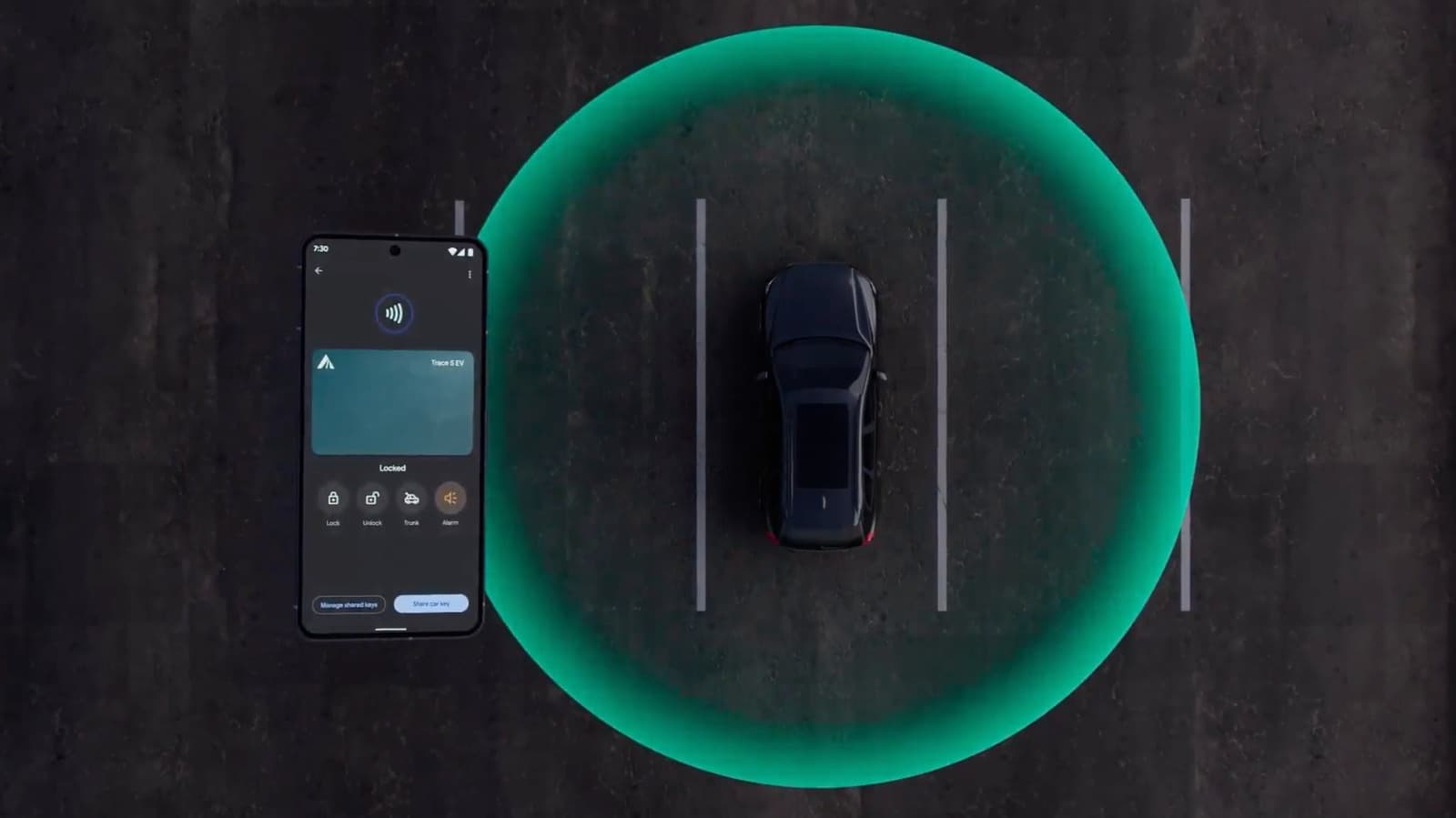
Android phones can now replace physical car keys for many newer vehicles. The technology uses near field communication or ultra wideband chips to unlock and start cars. But adopting a digital key requires understanding how it works and where the risks lie.
How Digital Car Keys Work
Google worked with carmakers to build digital key support directly into Android. The feature is available on Pixel phones and select Samsung Galaxy devices. It relies on two wireless standards.
NFC lets a phone unlock a car by tapping it against the door handle. The phone must remain close to the reader. UWB offers a more seamless experience. The car knows the phone is nearby and unlocks automatically. It also provides precise location data so the car knows when the driver is at the door versus walking past.
Users store their digital key in Google Wallet. They can share access with family or friends through the app. The key can be revoked remotely if a phone is lost or sold.
Security Concerns and Realities
Many people worry about hackers stealing digital key data. The technology has some protections. UWB includes range awareness that prevents relay attacks. NFC requires physical proximity. A thief cannot grab the data from across a parking lot.
Digital keys are encrypted and stored in the phone's secure element. That is the same hardware used for mobile payments. It isolates the key from the operating system and apps.
Still, risks exist. If someone steals your unlocked phone, they could drive away. Setting up biometric authentication for wallet access adds a layer of defense. Google also recommends enabling remote lock and wipe features.
Compatibility remains limited. Only cars from BMW, Hyundai, Kia, Genesis and a few others support digital keys today. Most require a model from 2022 or later.
Why This Matters
Digital car keys represent a shift toward phone-centric living. Drivers no longer need to carry a separate fob. That convenience comes with a tradeoff. A dead phone battery or broken device can strand a driver. Car makers still provide physical keys or backup methods like key cards.
The technology also raises questions about data privacy. Cars can log when a phone enters or leaves the vehicle. That location data could be shared with manufacturers. Users should review permissions in the car's app and in Google Wallet.
Adoption will grow as more automakers join the program. Android's digital key standard is part of the Car Connectivity Consortium. Other platforms like Apple are building similar systems. The market is moving toward a future where phones and cars talk to each other constantly.
For now, early adopters should test the feature in a low risk setting. Keep the physical key nearby until you trust the digital version. Update your phone and car software regularly to patch vulnerabilities.