A growing community of tech enthusiasts is building portable computers called cyberdecks. These devices take design cues from "Neuromancer," William Gibson's 1984 science fiction novel. The builds combine retro aesthetics with modern computing power.
The Cyberdeck Revival
Cyberdecks are not mass produced. They are custom built by hobbyists who want a unique computing device. The trend has gained momentum on platforms like Reddit and Hackaday. Builders share their designs, parts lists and code.
The goal is not raw performance. It is about creating a portable machine that looks and feels like it came from a cyberpunk future. Many builders use single board computers like the Raspberry Pi as the foundation.
A Raspberry Pi Foundation
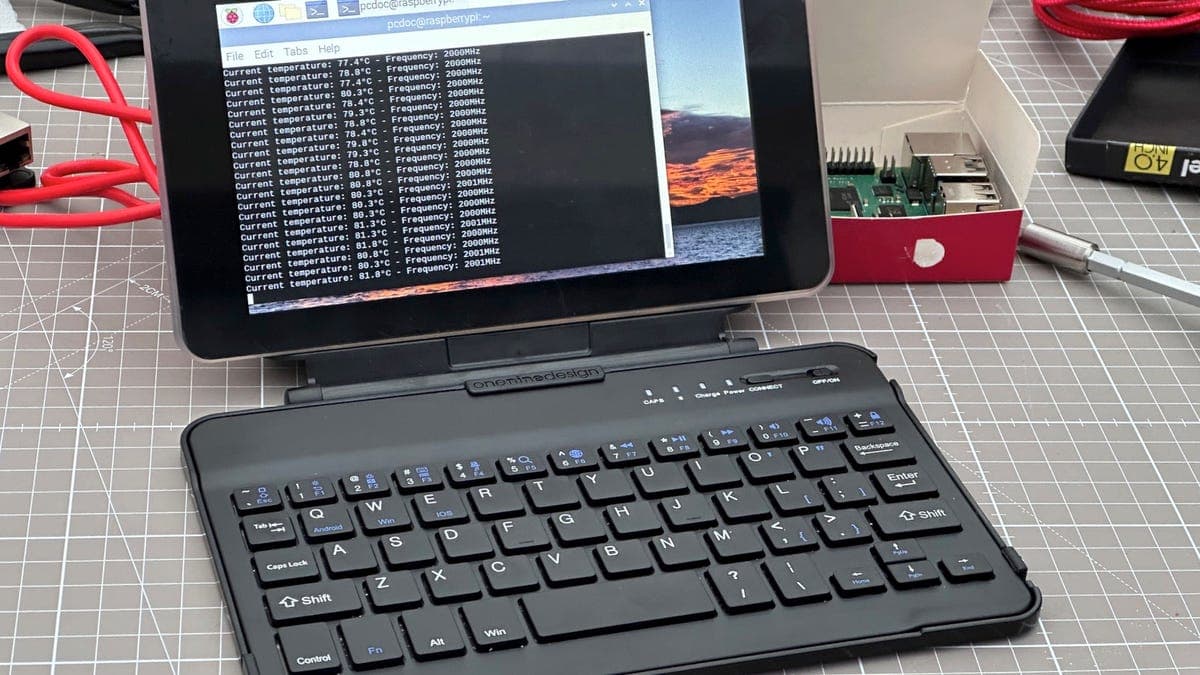
One builder started with a Raspberry Pi 4. The project required a custom case, a small keyboard and a battery. The case was designed in CAD software and 3D printed. The keyboard was a compact mechanical model. The battery system allowed for hours of untethered use.
The builder added a small LCD screen. The screen sits above the keyboard, similar to a mini laptop. The final device runs a lightweight Linux distribution. It can handle basic tasks like writing code, browsing the web and running terminal applications.
Why This Matters
This trend matters because it represents a shift away from consumer electronics. Most people buy sealed devices they cannot modify. Cyberdecks let people design and build their own tools. The process teaches soldering, programming and design. It is a hands on approach to understanding how hardware and software work together.
The builds also challenge the idea that computers must be thin, silent and uniform. Cyberdecks are bulky, noisy and unique. They prioritize function and personal expression over mass market appeal. For hobbyists, this is the appeal.
As the community grows, parts and kits are becoming easier to find. Online stores now sell custom cyberdeck cases and keyboard modules. The barrier to entry is dropping. A basic build can cost under $200. More elaborate projects can go much higher.
The cyberdeck trend shows that the future of personal computing is not just about faster chips. It is also about creativity and control. For those willing to build, the payoff is a machine that is truly their own.