Senior Editor: Alan Agbele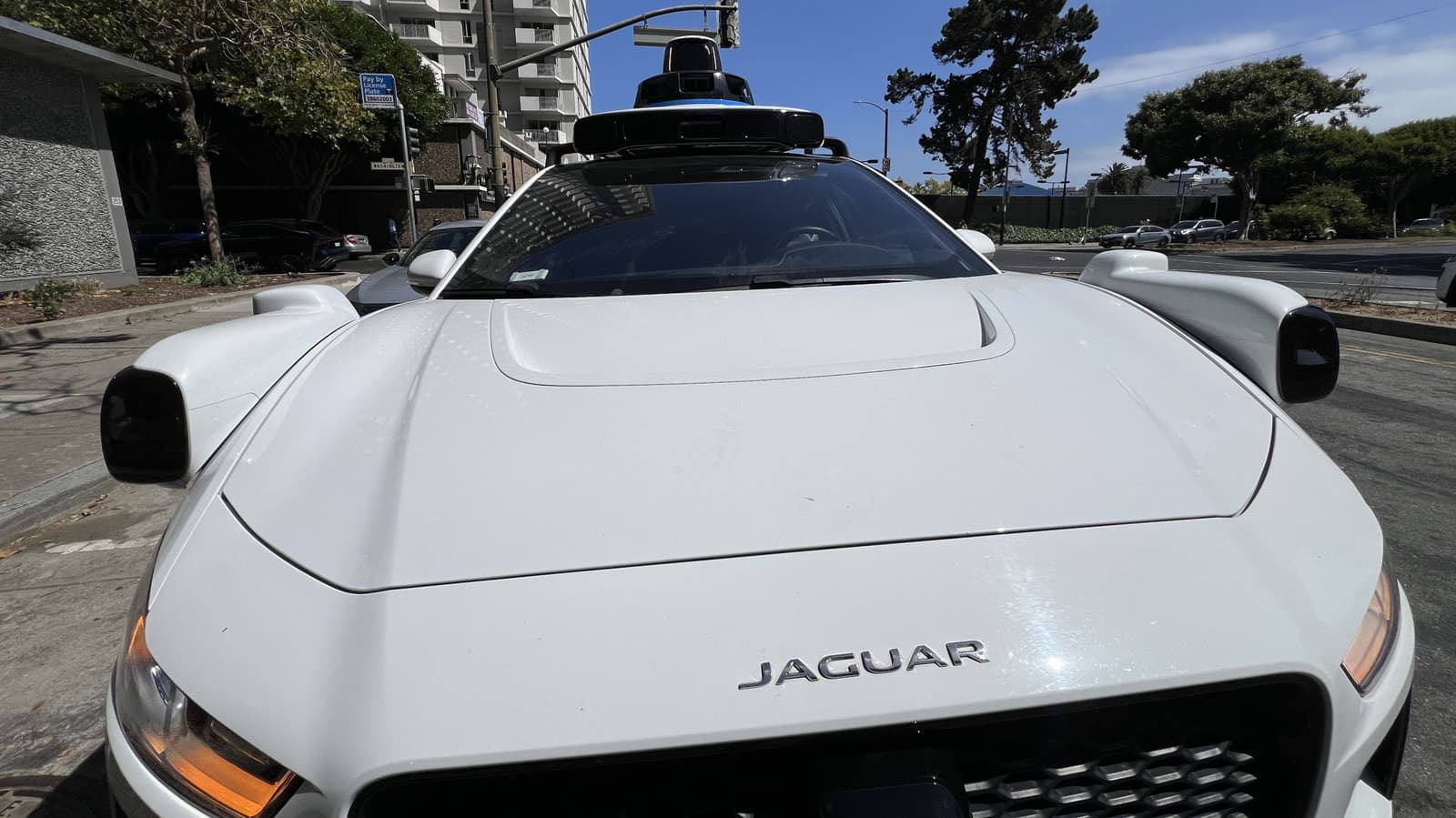
A fleet of Waymo robotaxis with drained batteries blocked streets in San Francisco this week, creating a significant traffic jam and raising fresh questions about the reliability of autonomous vehicle fleets. The incident occurred during a holiday period when traffic was already heavy, compounding delays for commuters and emergency vehicles.
How The Dead Batteries Caused Gridlock
Waymo robotaxis rely on their batteries to power both driving and onboard computing systems. When the batteries deplete, the vehicles enter a safe shutdown mode that locks them in place. Without a human driver to move the car to a shoulder or parking spot, the robotaxis became stationary obstacles in the middle of San Francisco streets.
Several cars were stranded in close proximity, effectively closing lanes on major routes. The traffic jam spilled onto side streets as drivers attempted to bypass the blockage. San Francisco residents took to social media to document the scene, with many noting the irony of self-driving cars causing a human-driven traffic nightmare.
Operational Challenges For Autonomous Fleets
The incident underscores a fundamental flaw in current autonomous vehicle deployments: the inability to handle unexpected power loss. Traditional taxis with human drivers can coast to a safe spot or call for a tow. Robotaxis, however, depend on remote assistance and pre-planned charging schedules. When those schedules fail or a battery drains faster than expected, the system leaves cars stranded.
Waymo has not disclosed how many vehicles were affected or what caused the battery drain. The company typically recharges its fleet at depots between trips. This event suggests that either the vehicles were dispatched with insufficient charge or a software issue prevented them from returning to base.
Why This Matters
This event is not just a one-time traffic jam. It threatens public trust in autonomous vehicle technology and could accelerate regulatory scrutiny. San Francisco authorities have already clashed with Waymo and Cruise over safety incidents. If robotaxis routinely block traffic when batteries die, cities may impose stricter operating limits or require backup power systems. For passengers, the reliability of autonomous ride-hailing depends on the ability to complete trips without stranding riders. Waymo must address this vulnerability or risk losing its competitive edge in the race to deploy driverless taxis at scale.