Senior Editor: Alan Agbele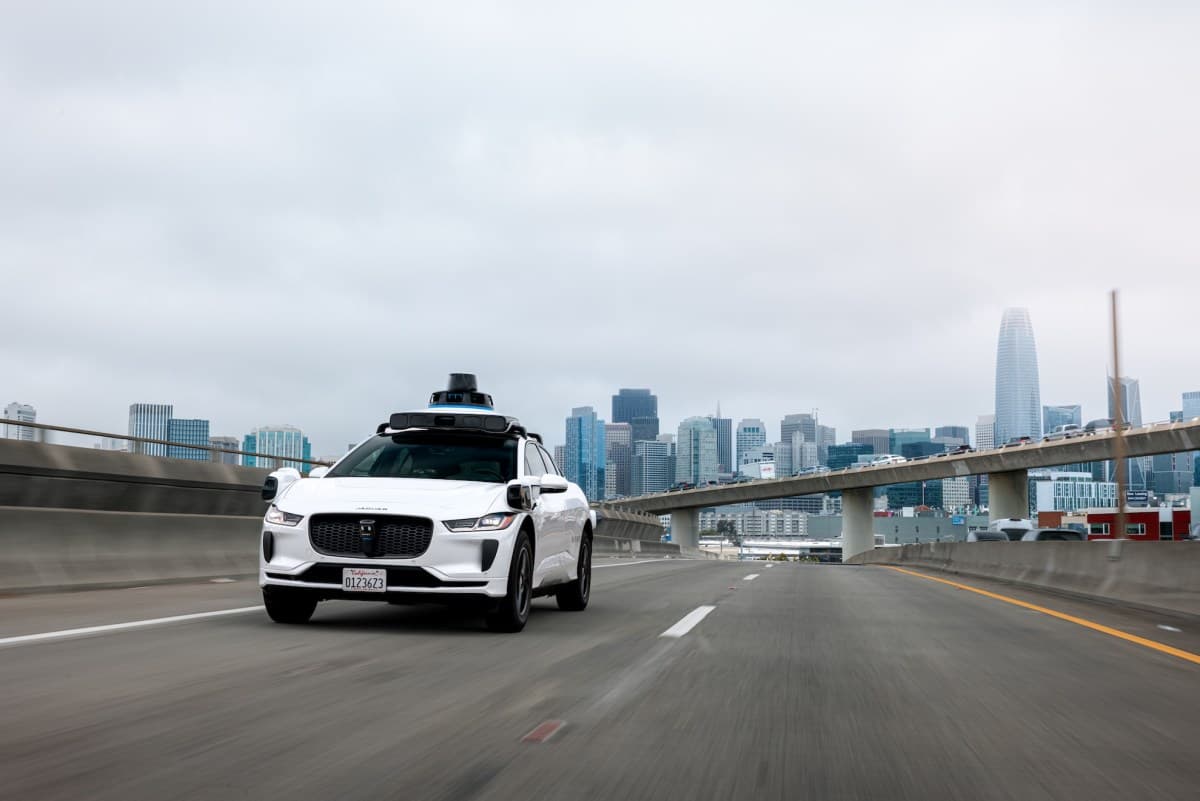
Waymo is bringing its autonomous ride-hailing fleet back to freeways, starting with select routes in Phoenix. The company paused highway operations last year following a software recall but now says it is ready to resume, with additional cities expected to come online in the coming months.
The Return to Freeways
Waymo vehicles will initially operate on a limited set of freeway routes within Phoenix. Riders can request trips that include highway segments through the Waymo One app, matching the same hail-and-ride experience used for surface streets. The company has not disclosed which specific freeways are included but confirmed that the service will gradually expand to more corridors.
The move reverses a decision Waymo made in 2023 when it voluntarily limited its robotaxis to surface streets after a crash involving one of its vehicles on a freeway. That incident, along with a subsequent recall, pushed the company to refine its software and sensor systems before returning to highway driving. Waymo said it has conducted extensive testing since the recall to ensure safety at higher speeds.
Operational Details
Waymo is deploying its latest generation of sensor-equipped Jaguar I-Pace vehicles for freeway operations. These robotaxis rely on a combination of lidar, cameras and radar to navigate complex highway environments. Key operational parameters include:
Waymo has not shared a timeline for when freeway service will reach other cities, but the company has hinted that markets like Los Angeles and San Francisco are under consideration. Both cities have dense freeway networks and present more complex driving challenges than Phoenix.
Why This Matters
Waymo's return to freeways represents a turning point for the autonomous vehicle industry. High-speed highway driving has been one of the hardest problems for self-driving systems to solve because it requires fast decision-making and reliable lane changes. Success in Phoenix could pave the way for wider adoption of robotaxis as a viable alternative to traditional ride-hailing services.
For riders, the expansion means faster trip times and access to destinations that require highway travel. For regulators, it raises questions about safety standards and oversight as autonomous fleets become more common. Competitors like Cruise and Zoox, both of which have also tested highway driving, will be watching Waymo's rollout closely. If Waymo proves that its system is safe at highway speeds, the pressure on other companies to match that capability will intensify.
The broader implications extend beyond ride-hailing. Waymo is a subsidiary of Alphabet, and its progress influences investor confidence in autonomous technology. A successful freeway deployment could accelerate investment and development across the sector, potentially bringing self-driving cars closer to everyday use for millions of people.