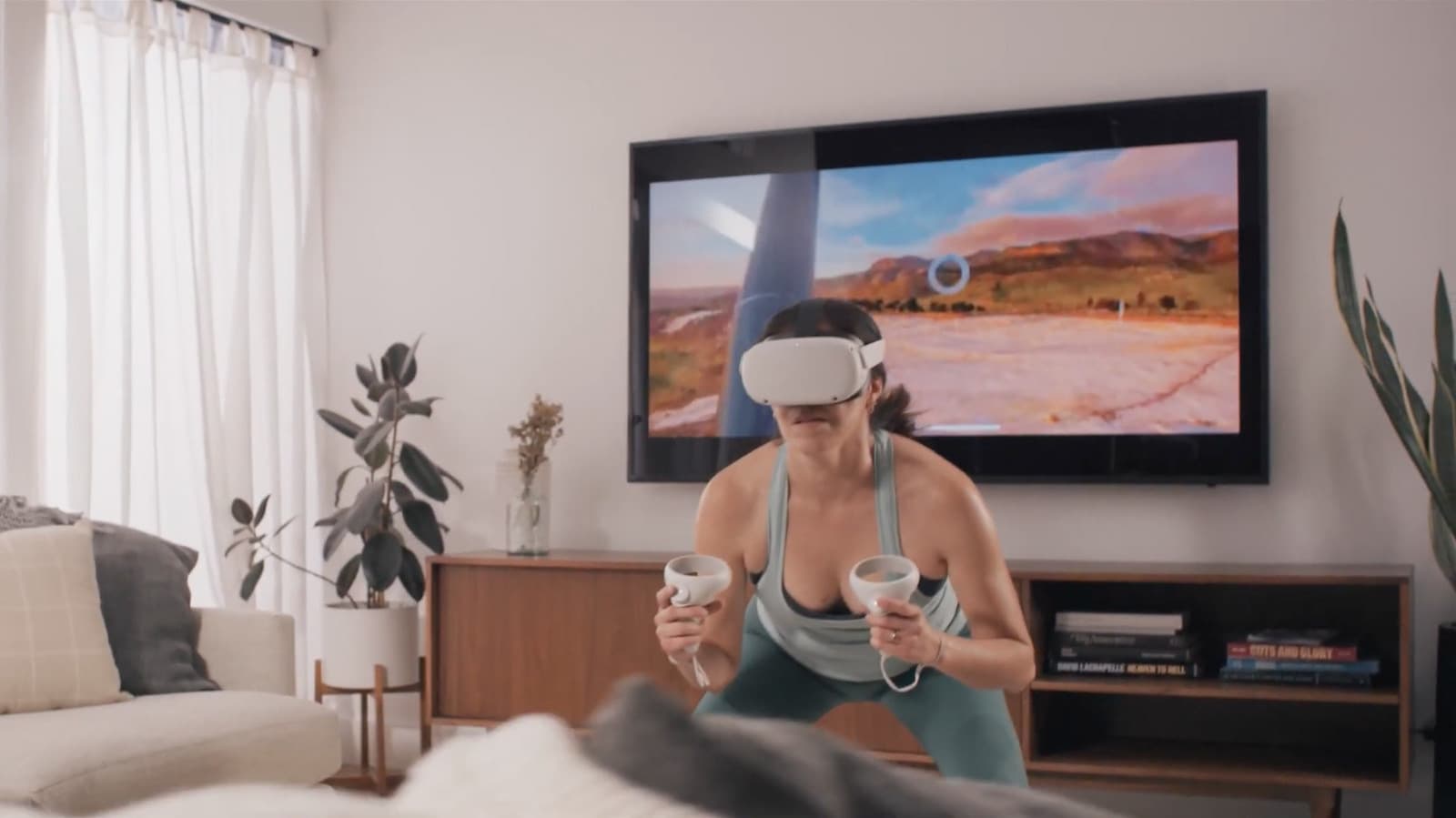
Supernatural, the popular VR exercise platform owned by Meta, is getting a second life. The company announced it will spin off as an independent entity and launch a completely rebuilt version of the app this fall. The move comes months before Meta planned to shut the service down entirely.
The new Supernatural app will work with Meta Quest headsets but will operate outside of Meta's direct control. The company says the standalone version will feature a redesigned interface, new workout routines and improved social features. Existing users will keep their subscription history and workout data.
A Sudden Reversal
Meta acquired Supernatural in 2021 and integrated it into its VR fitness lineup. Earlier this year, the company told users it would discontinue the app in early 2026. That decision sparked backlash from the app's dedicated community of fitness enthusiasts who relied on its daily workouts and immersive environments.
The reversal came after negotiations between Meta and Supernatural's founders. The two sides agreed to let the platform operate independently, with Supernatural taking its intellectual property and user base. Financial terms were not disclosed, but the deal ensures the app avoids a full shutdown.
What Changes for Users
The independent version will retain the core experience that made Supernatural a hit. Users will still receive daily coach-led workouts set in scenic locations around the world. The app uses motion tracking to guide users through boxing, flow and other exercises.
New features include a more personalized workout schedule, deeper integration with third-party fitness trackers and a revamped leaderboard system. The company says it will also lower the monthly subscription price to attract new members. Pricing details have not been announced yet.
The app will continue to require a Meta Quest 2, Quest 3 or Quest Pro headset. Supernatural plans to explore support for other VR platforms later, but no timeline has been set.
Why This Matters
Supernatural's survival represents a win for VR fitness enthusiasts who fear losing their primary workout tool. The platform had built a loyal following by turning exercise into an engaging virtual experience. Without this spin off, thousands of subscribers would have lost access to their routines and progress.
The move also signals a shift in how Meta handles its acquired apps. Instead of killing off services that don't fit its core strategy, the company now appears willing to spin them off. This could set a precedent for other VR apps facing similar fates.
For the broader VR industry, Supernatural's independence offers proof that niche fitness apps can thrive outside of a platform owner's ecosystem. If the new model works, it may encourage developers to build more specialized VR experiences without fear of being shut down by a parent company.
The new Supernatural app is expected to launch in October. Pre registration is open now for existing and new users.