Senior Editor: Alan Agbele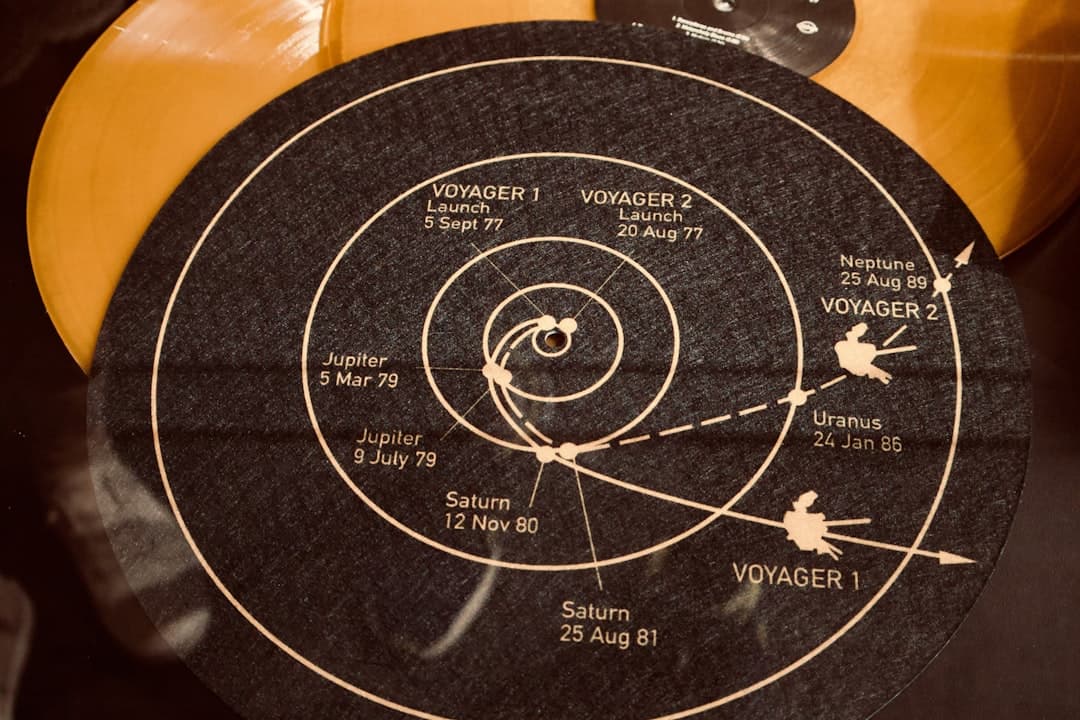
A software emulator for the Flight Data Subsystem (FDS) computer aboard NASA's Voyager 1 spacecraft is giving engineers and space enthusiasts a new way to interact with one of humanity's most distant probes. The project, called the Voyager 1 FDS Computer Emulator, recreates the original computer hardware that handles data collection and formatting aboard the 1977 mission.
How the Emulator Works
The emulator faithfully reproduces the FDS computer's central processor, memory and input/output systems. It uses the same 18-bit word size and instruction set that the original hardware relied on. Developers can load the actual flight software images into the emulator and observe its behavior in real time.
This approach is not new to the space community. Engineers have built emulators for other historic systems, such as the Apollo Guidance Computer. But the Voyager 1 FDS Computer Emulator is notable because it targets a spacecraft still active in the interstellar medium.
A Bridge to the Past
Voyager 1 launched nearly 50 years ago. Its original paper documentation is scattered, and many engineers who designed the FDS have retired. An accurate emulator preserves the computer's behavior without requiring access to irreplaceable hardware. It also makes the system accessible to a new generation of programmers and space historians.
The Voyager 1 FDS Computer Emulator is open source, meaning anyone can download it and experiment. This openness contrasts with the original mission, where software was tightly controlled. The shift reflects a broader trend in aerospace toward sharing knowledge and tools.
Why This Matters
For NASA and the Voyager team, the emulator offers a sandbox to test software patches before uploading them to the real spacecraft. As Voyager 1 ages, its systems become harder to manage. The emulator reduces risk by catching errors earlier. For historians, it provides a living record of computer engineering from the late 1970s. And for the public, it demystifies what happens inside one of the most famous machines ever built. The project ensures that even if the original hardware eventually fails, its digital twin will continue to teach and inspire.